



Are You Too Young for Dental Implants in Your 20s or 30s?

You’ve lost a tooth—maybe during sport, an accident, or you were born without one. You’re wondering whether dental implants are suitable for your age. Here’s the reality: some young Australians are choosing dental implants in their 20s and 30s. But is the timing right for you? The answer depends on whether your jaw has finished developing and your overall health.
Can You Get Dental Implants If You’re Pregnant?

Losing a tooth during pregnancy, or discovering you’re pregnant while planning implants, may raise questions about treatment timing. Dental implant surgery is not recommended while you’re pregnant. This is considered an elective procedure that can be postponed until after your baby is born. The timing matters more than you might think—both for your comfort and your baby’s well-being. In this article, we’ll explain why waiting is the recommended approach, what alternatives exist, and when you can resume treatment.
What Causes Dental Implant Fracture and How Can It Be Prevented?
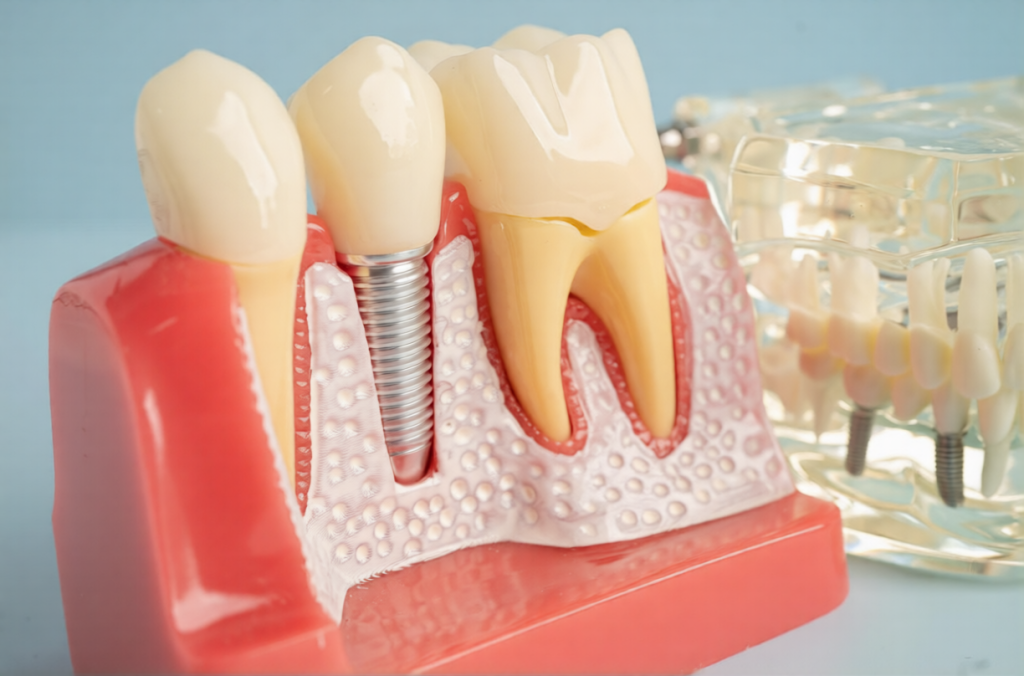
Dental implants serve as a reliable tooth replacement option for many people. Success rates exceed 90% in most cases, and implants can function well for many years with appropriate care. However, dental implant fractures can occur in some situations. These complications remain uncommon, though understanding them remains valuable for informed decision-making. While eating with dental implants works well for most people, complications may arise over time.
Your Complete Guide to Eating with Dental Implants from Day One to Full Recovery

Patients often wonder what to eat after dental implant surgery, and the answer depends on which recovery phase you’re in. Understanding what foods you can consume at each healing stage may support the osseointegration process. This process involves the titanium implant fusing with your jawbone over several months. A well-planned dental implant recovery diet provides adequate nutrition, supports tissue healing, and protects the surgical site.
Understanding Peri-Implantitis and How to Protect Your Dental Implants

Dental implants offer a long-term tooth replacement option with success rates exceeding 90%. This high success rate reflects the durability of implants when properly maintained. However, peri-implantitis can affect 5-8% of dental implants over time, making awareness and prevention essential for protecting your implants.
Recognising Warning Signs and Treatment Options of Dental Implant Failure

Dental implants have high success rates, with research showing 90-95% of implants integrating successfully with the jawbone. However, complications can occur, and early detection of dental implant failure is critical for proper intervention. Most implant problems may be manageable when caught early, which is why understanding the warning signs is so important.
What is Osseointegration and Why Does It Matter for Dental Implants?
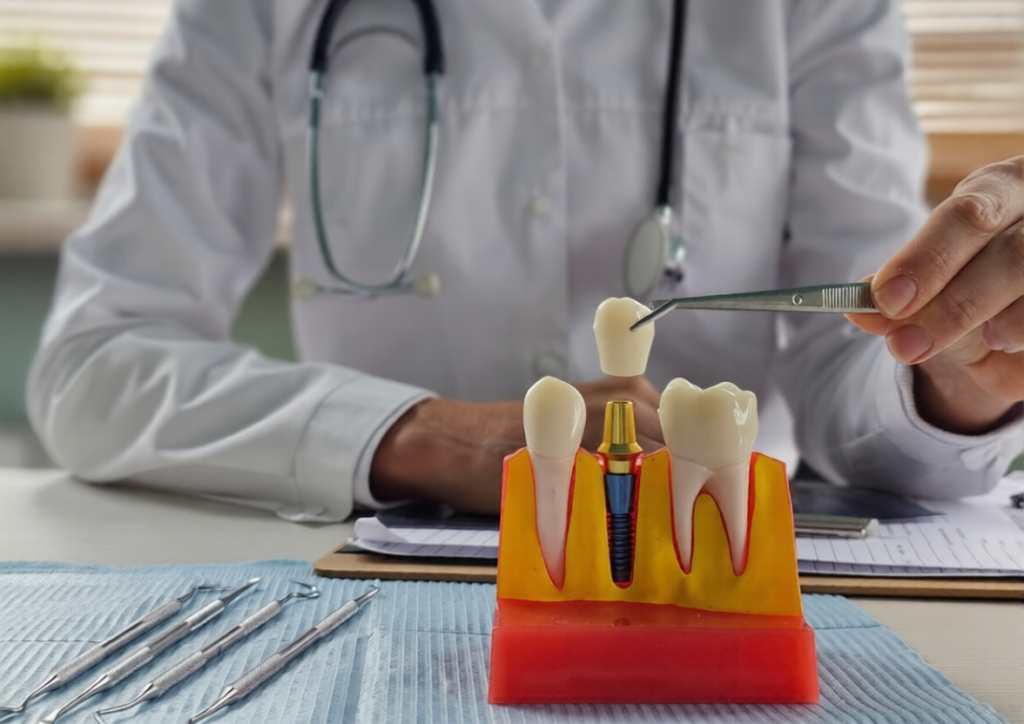
Osseointegration is a fundamental process in dental implant treatment. It describes how dental implants fuse to bone tissue in the jaw, creating a stable foundation for tooth replacement. Understanding this biological process can help you make informed decisions about your care.
A Complete Guide on the Age Requirements for Dental Implants
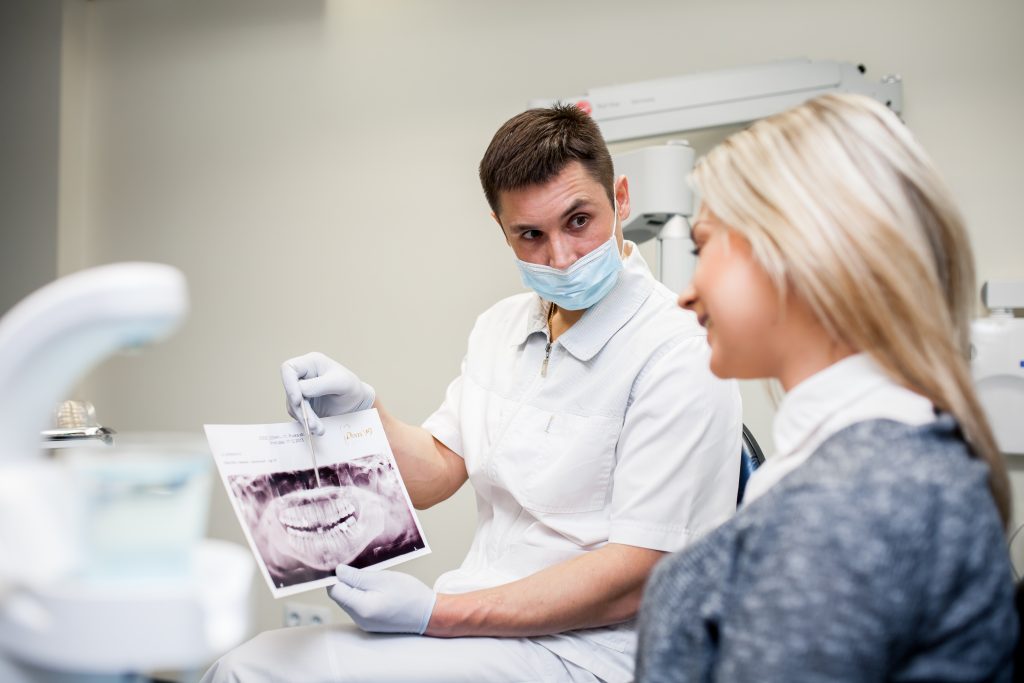
Whether you’re a 22-year-old considering tooth replacement or an 82-year-old wondering if it’s too late, age is just one factor in dental implant candidacy. Many people associate dental implants with a specific age group, but the reality is quite different.
What Do I Need to Know About Dental Crowns? Debunking Common Myths

If you’re considering dental crowns, you’ve probably encountered conflicting information online. Some concerns about crown treatment are valid and worth discussing. Others stem from outdated information or misconceptions about dental crowns that no longer reflect current practice. Knowing what you really need to know about dental crowns can help you make better decisions about your oral health.
Is There a Downside to Dental Crowns? Common Issues and Long-Term Care

Dental crowns have served as established restorative treatment options for decades, helping millions of patients restore damaged teeth to function and appearance. While they can provide effective long-term restoration, potential downsides to dental crowns exist that warrant informed consideration. Like all dental procedures, crowns may experience complications during their service life, ranging from minor issues to situations requiring intervention.


 General Dentistry
 Cosmetic Dentistry
 Restorative Dentistry
 Dental Implants
 Clear Aligners
 Emergency Dentist
 Childrens Dentist