






Losing a tooth during pregnancy, or discovering you’re pregnant while planning implants, may raise questions about treatment timing. Dental implant surgery is not recommended while you’re pregnant. This is considered an elective procedure that can be postponed until after your baby is born. The timing matters more than you might think—both for your comfort and your baby’s well-being. In this article, we’ll explain why waiting is the recommended approach, what alternatives exist, and when you can resume treatment.
Contents Navigation
- 1. Summary of the Content
- 2. Understanding Dental Implants and Pregnancy Safety
- 3. Common Causes of Dental Implant Fracture
- 4. Why Dental Professionals Recommend Waiting
- 5. What You Can Do While Pregnant
- 6. Temporary Tooth Replacement Options for Pregnant Patients
- 7. Planning Your Implant Treatment Post-Pregnancy
- 8. Frequently Asked Questions
- 9. Final Thoughts
Summary of the Content
- Dental implant surgery is postponed until after delivery. Dental implants are considered elective procedures rather than urgent medical treatment. Most dental professionals recommend waiting because implant surgery is elective and can be scheduled for after delivery.
- X-rays, anaesthesia, and medications require careful consideration in pregnancy. Implant planning often involves imaging, surgical anaesthesia, and post-operative medications. For elective procedures such as dental implants, these elements are usually deferred until after delivery, though your dentist and obstetrician can discuss your specific circumstances.
- The second trimester is often more comfortable for non-invasive dental appointments. Consultations allow examination, discussion, and planning without performing surgery or irreversible procedures.
- Treatments such as dental flippers or temporary bridges can restore appearance and basic function. These options avoid surgery, medications, and invasive procedures while maintaining oral comfort.
- Early planning facilitates the development of a clear postpartum treatment timeline. Final implant placement is scheduled once recovery is complete and overall health stabilises.
Understanding Dental Implants and Pregnancy Safety
Dental implant placement is considered an elective surgical procedure and is not recommended during pregnancy. The considerations include X-rays needed for planning, anaesthesia used during surgery, medications required for recovery, and hormonal changes that may affect healing.
- Surgical Placement of Titanium Posts:
Dental implants require surgically inserting a titanium post into your jawbone through a precise incision in your gum tissue. The post serves as an artificial tooth root, providing a foundation for the replacement tooth, which will be attached later. This surgical procedure involves bone preparation, post-insertion, and suturing of the surgical site. - Multiple Appointments Necessary:
Implant treatment generally requires several visits, including an initial consultation, imaging, surgical placement, postoperative follow-up, and final restoration. Each appointment requires time in the dental chair, which becomes increasingly uncomfortable as pregnancy progresses and your body changes. Planning and coordinating multiple appointments while managing pregnancy symptoms adds unnecessary complexity to an already demanding time. - Elective Versus Necessary Procedures:
Unlike dental implants, which can be postponed, infections and severe decay require immediate treatment during pregnancy to protect your health. Dentists actively encourage routine dental care—including checkups and professional cleaning—throughout pregnancy to maintain oral health. This recommendation to postpone implants is about timing the procedure when conditions are optimal for healing.
Most dental professionals and Australian health organisations recommend postponing implant treatment until after delivery and full recovery. Individual circumstances vary, so always discuss your specific situation with your dentist and obstetrician for personalised guidance.
What Makes Pregnancy Different for Dental Surgery
Pregnancy brings significant hormonal changes that directly affect your gums, with pregnancy gingivitis affecting 60-75% of expectant mothers. Your immune system naturally adjusts during pregnancy, which may alter how your body heals. These changes mean that your body prioritises your baby’s development, which may affect the healing and integration of surgical sites.
Medication options become more limited during pregnancy, as do the types of anaesthesia considered appropriate for elective procedures. Individual circumstances vary, so discussing timing with your dentist and obstetrician can help you make decisions that suit your specific situation.
Common Causes of Dental Implant Fracture
Dental implant placement is considered an elective surgical procedure and is not recommended during pregnancy. The considerations include X-rays needed for planning, anaesthesia used during surgery, medications required for recovery, and hormonal changes that may affect healing.
- Surgical Placement of Titanium Posts:
Dental implants require surgically inserting a titanium post into your jawbone through a precise incision in your gum tissue. The post serves as an artificial tooth root, providing a foundation for the replacement tooth, which will be attached later. This surgical procedure involves bone preparation, post-insertion, and suturing of the surgical site. - Multiple Appointments Necessary:
Implant treatment generally requires several visits, including an initial consultation, imaging, surgical placement, postoperative follow-up, and final restoration. Each appointment requires time in the dental chair, which becomes increasingly uncomfortable as pregnancy progresses and your body changes. Planning and coordinating multiple appointments while managing pregnancy symptoms adds unnecessary complexity to an already demanding time. - Elective Versus Necessary Procedures:
Unlike dental implants, which can be postponed, infections and severe decay require immediate treatment during pregnancy to protect your health. Dentists actively encourage routine dental care—including checkups and professional cleaning—throughout pregnancy to maintain oral health. This recommendation to postpone implants is about timing the procedure when conditions are optimal for healing.
Most dental professionals and Australian health organisations recommend postponing implant treatment until after delivery and full recovery. Individual circumstances vary, so always discuss your specific situation with your dentist and obstetrician for personalised guidance.
What Makes Pregnancy Different for Dental Surgery
Pregnancy brings significant hormonal changes that directly affect your gums, with pregnancy gingivitis affecting 60-75% of expectant mothers. Your immune system naturally adjusts during pregnancy, which may alter how your body heals. These changes mean that your body prioritises your baby’s development, which may affect the healing and integration of surgical sites.
Medication options become more limited during pregnancy, as do the types of anaesthesia considered appropriate for elective procedures. Individual circumstances vary, so discussing timing with your dentist and obstetrician can help you make decisions that suit your specific situation.
Why Dental Professionals Recommend Waiting
This recommendation considers five key factors that affect treatment suitability and comfort. These factors include imaging requirements, anaesthesia requirements, post-surgical medications, hormonal effects on healing, and tolerance for appointment duration. These factors mean treatment is usually postponed until after delivery.
Diagnostic Imaging and X-Rays
Implant planning requires detailed X-rays or cone beam computed tomography (CBCT) scans to assess your jawbone structure and placement positioning. The first trimester is considered particularly sensitive, as this is when the fetus’s organs are developing. While modern dental X-rays emit very low levels of radiation, healthcare providers discourage routine X-rays during the first trimester unless medically necessary. The preference is always to avoid unnecessary radiation exposure when postponing the procedure is clinically appropriate.
Anaesthesia and Sedation Considerations
Local anaesthetics used in most dental procedures may be considered appropriate during pregnancy when clinically necessary to address certain conditions. However, implant surgery sometimes requires deeper sedation or stronger anaesthetic agents for patient comfort during the extended procedure.
Deeper sedation options are not recommended during pregnancy. These medications can cross the placenta, and your dentist and obstetrician can discuss the considerations for your specific situation. Some anaesthetic agents, particularly those containing felypressin (a vasoconstrictor), are specifically avoided during pregnancy due to potential effects on blood flow.
Post-Surgical Medications
Antibiotics are commonly prescribed after implant placement to help prevent infection at the surgical site and support healing. Many antibiotics and pain medications have restrictions during pregnancy, limiting your dentist’s ability to manage your post-operative care effectively. If complications arise after implant placement, your dentist and obstetrician will collaborate to determine appropriate treatment options. A dental professional can discuss pain management options suitable for your circumstances.
Hormonal Changes and Healing
Pregnancy hormones—particularly oestrogen and progesterone—significantly increase blood flow to your gums throughout pregnancy, affecting gum tissue health. These hormonal changes can cause pregnancy gingivitis, leading to swelling, inflammation, and bleeding gums in many expectant mothers. This altered oral environment is one reason many dental professionals recommend waiting until after delivery, although individual responses vary considerably. Your body’s resources and healing capacity are naturally focused on your baby’s development, which may affect the healing of surgical sites.
Physical Comfort Concerns
Lying flat on your back for extended periods may become increasingly uncomfortable as pregnancy progresses, particularly during the second and third trimesters. In the third trimester, lying flat on your back for extended periods may become uncomfortable and could affect blood circulation. Morning sickness and a heightened gag reflex can complicate both the procedure and your postoperative recovery and care routine. Since implant surgery is elective, waiting until after delivery and recovery is the recommended approach.
What You Can Do While Pregnant
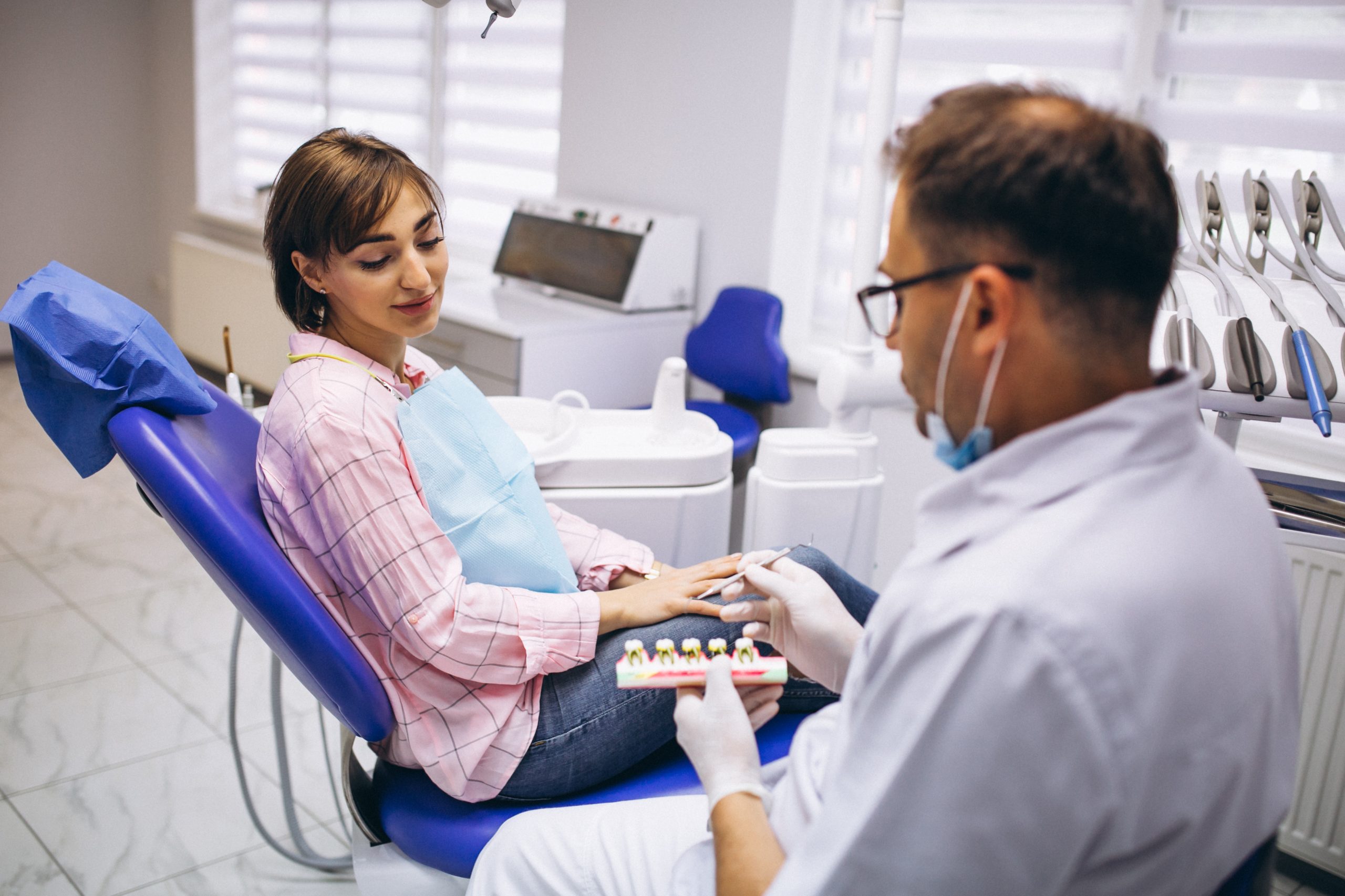
While the surgical placement should wait, you can begin the implant process during your second trimester by scheduling a consultation. Having preparatory dental work completed—such as professional cleaning and addressing existing issues—helps prepare your mouth for future treatment. Creating a post-delivery treatment timeline provides a clear roadmap and reduces uncertainty during an already busy time.
Consultation Appointments in Second Trimester
The second trimester (weeks 17-28) is often considered a more suitable time for dental appointments, as many patients’ early pregnancy symptoms have often eased. A consultation can include an oral examination, a treatment-planning discussion, and financial planning, without requiring any invasive procedures at this stage. X-rays can be performed in the second or third trimester if necessary, with protective measures in place to minimise exposure. This creates a head start on the implant process, so you’re prepared to move forward quickly once your body has recovered.
Preparatory Dental Work
Addressing any active dental issues—like decay or gum disease—during pregnancy protects your oral health and your baby’s wellbeing. Professional cleaning is strongly recommended throughout pregnancy to help manage the increased risk of gum inflammation and disease. Good oral hygiene becomes even more important during pregnancy, as hormonal changes make your gums more vulnerable to bacterial infection. Addressing existing problems now may help you achieve a healthier mouth for implant placement later, supporting more favourable treatment outcomes.
Planning Your Timeline
Work with your dentist to develop a realistic postpartum treatment timeline that accounts for delivery, recovery, and breastfeeding considerations, if applicable. Understanding what preparation may be needed—such as bone grafting or extraction of damaged teeth—helps you plan your finances. Coordinate your dental treatment plans with your obstetrician so that all your healthcare providers have a complete understanding of your medical picture. Arranging temporary tooth replacement options in the meantime maintains your function and appearance while you wait for the right time.
Temporary Tooth Replacement Options for Pregnant Patients
If you’re missing a tooth during pregnancy, temporary options like dental flippers, temporary bridges, or bonded resin teeth can help. These options allow you to smile and eat comfortably while you wait for implant placement after delivery and recovery. Each option offers different advantages depending on your specific situation, budget, and the tooth to be replaced.
Dental Flippers
A dental flipper is a lightweight, removable acrylic partial denture that fits over your gums and fills the gap where your tooth is missing. Clasps grip onto adjacent teeth, keeping them stable for daily wear while remaining easy to remove for cleaning. Flippers are affordable—typically $300-$500—and can be produced quickly, often within days rather than months. You can eat with a flipper in place, though caution is needed with hard or sticky foods that might dislodge it.
The flipper maintains the space and helps prevent adjacent teeth from shifting. This option is well-suited to front-tooth replacement, where appearance is important during social interactions. Flippers are often considered suitable during pregnancy because they require no surgery, medications, or invasive procedures—just impressions and a fitting appointment.
Temporary Bridges and Bonded Teeth
A bonded resin tooth is a noninvasive option for replacing a single tooth and requires minimal preparation of adjacent teeth. Temporary bridges can be fitted if your adjacent teeth are healthy enough to support the restoration.
Temporary Bridges vs. Bonded Teeth
| Option | Timeframe | Pros | Cons |
| Temporary Bridges | 2-3 appointments | Very stable, good for eating, natural appearance | Requires preparation of adjacent teeth, typically more expensive, and involves tooth modification |
| Bonded Tooth | 1-2 appointments | More stable than a flipper, natural appearance, fixed in place | Requires bonding to adjacent teeth, less durable long-term |
What to Avoid
Consider discussing replacement options with your dentist—bone loss after tooth extraction may complicate future implant placement and could affect treatment costs. Avoid ill-fitting temporary options that irritate your gums or cause discomfort, as pregnancy already increases the risk of gum sensitivity and inflammation. If your temporary replacement causes any discomfort or doesn’t fit properly, see your dentist promptly for adjustments rather than simply tolerating the problem.
Planning Your Implant Treatment Post-Pregnancy
Most patients can schedule implant treatment a few months after delivery once recovery is complete and their routine has stabilised. Local anaesthetics used during dental implant procedures may be considered suitable for breastfeeding patients. Your dentist can discuss timing, medications, and any considerations relevant to your situation. Individual circumstances vary, so your timeline should reflect your personal recovery, budget, and treatment complexity.
Timeline After Delivery
Consider allowing adequate time for your body to recover physically from childbirth, whether you delivered vaginally or by caesarean section. Let your routine stabilise with your newborn before adding elective dental appointments to your schedule—new parenthood is demanding enough without unnecessary stress. Many patients schedule implant treatment between three and six months postpartum, though some prefer to wait longer until their baby sleeps more predictably. There’s no medical urgency to proceed immediately—choose a timing that works for your family’s needs and your energy levels.
Breastfeeding Considerations
Local anaesthesia used during implant placement may be considered suitable for breastfeeding mothers, though medications and circumstances vary. Some post-surgery antibiotics have breastfeeding-compatible options, while others may require timing adjustments. Discuss all medications—anaesthetics, antibiotics, and pain relievers—with your dentist and healthcare provider beforehand. You may schedule appointments around your baby’s feeding routine for comfort and convenience. Pumping and storing breast milk beforehand is an option if you’re concerned about medication exposure during the immediate post-operative period.
Maintaining Oral Health in the Meantime
Maintaining proper oral hygiene during pregnancy, postpartum, and while awaiting implants is important for your overall oral health. Brush twice daily and floss regularly to help prevent caries and periodontal disease. Schedule six-monthly dental checkups, or as recommended. A calcium-rich diet may support oral health and recovery, particularly for breastfeeding mothers. Address any pregnancy gingivitis before implant surgery—healthy gum tissue supports better treatment outcomes.
Frequently Asked Questions
Here are answers to common questions about dental implants and pregnancy. For advice specific to your situation, schedule a consultation with your dentist and obstetrician to discuss timing and treatment options.
Can I get a dental implant in my second trimester?
Implant surgery is not recommended during pregnancy. While the second trimester is often considered more suitable for necessary dental work, such as addressing infections, elective procedures are typically deferred. Since implants are elective, waiting until after delivery is commonly advised.
However, you can attend consultations, begin treatment planning, and complete preparatory tasks such as cleaning during your second trimester. This allows you to prepare without undergoing surgery. Discuss your specific situation with your dentist and obstetrician.
What happens if I find out I’m pregnant during implant treatment?
Contact your dentist immediately to discuss your treatment plan. If you’re at the consultation stage, you’ll pause until after delivery. If the implant is already placed and healing, your dentist will likely recommend delaying the final restoration until after your baby arrives.
There’s no need to worry—your dentist will adjust the timeline to suit your situation. Your dentist and obstetrician will work together to determine the most appropriate approach for you and your baby.
Are dental X-rays safe during pregnancy?
Modern dental X-rays use minimal radiation but are avoided during pregnancy, especially in the first trimester when your baby’s organs are developing. Emergencies may require X-rays with proper protection (lead apron and thyroid collar). Implant planning X-rays are elective and can wait until after delivery. The preference is always to postpone X-rays unless medically required.
How long do I need to wait after giving birth?
Many patients wait three to six months postpartum to allow for physical recovery and routine stabilisation. There’s no strict medical timeline—it depends on your energy, baby’s schedule, and healing progress. If you had a caesarean or complications, you may need more time. Schedule implant treatment at a time that suits your family—there’s no rush.
Can I get dental implants while breastfeeding?
This depends on individual circumstances. The local anaesthesia used for implant placement and some antibiotics prescribed afterwards may be considered suitable for breastfeeding. However, you should discuss the specific medications your dentist plans to use with both your dentist and healthcare provider before proceeding.
Some mothers choose to pump and store breast milk beforehand if they have concerns about medication exposure during the immediate post-operative period. Timing your appointments around your baby’s feeding schedule can help minimise disruption and support your comfort throughout the procedure and recovery.
Final Thoughts
Waiting until after pregnancy for dental implant surgery is the common recommendation from dental professionals. If you’re feeling frustrated about postponing treatment, that’s completely understandable—dealing with a missing tooth is never easy, especially during an already demanding time. Remember that temporary options like flippers and bridges can maintain your appearance and function while you wait. Use this time to attend consultations, complete any preparatory dental work, and develop a clear post-delivery treatment plan.
Waiting a few months may be beneficial and can help support more favourable outcomes under optimal healing conditions. At My Dentist Blackwood, we’re here to discuss your timeline, explore temporary options, and help you prepare for implant treatment when you’re ready.
Written by: Dr. Tina Le, General Dentist
AHPRA Registration: DEN0001411332





 General Dentistry
 Cosmetic Dentistry
 Restorative Dentistry
 Dental Implants
 Clear Aligners
 Emergency Dentist
 Childrens Dentist