
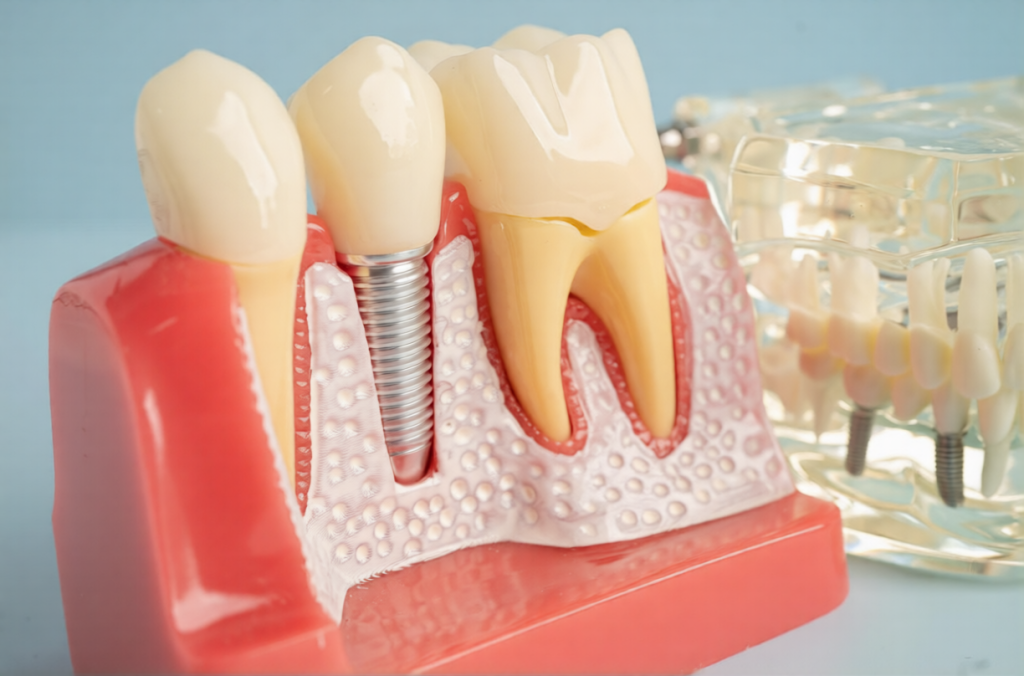




Patients often wonder what to eat after dental implant surgery, and the answer depends on which recovery phase you’re in. Understanding what foods you can consume at each healing stage may support the osseointegration process. This process involves the titanium implant fusing with your jawbone over several months. A well-planned dental implant recovery diet provides adequate nutrition, supports tissue healing, and protects the surgical site.
Eating with dental implants requires a carefully planned approach that progresses through distinct phases. Initially, you’ll need to follow a liquid diet, gradually advancing to soft foods as healing permits. Individual recovery timelines vary based on factors such as the number of implants, bone quality, and overall health. My Dentist Blackwood provides Adelaide patients with personalised dietary guidance throughout their implant recovery.
Contents Navigation
- 1 Summary of the Content
- 2 Why Your Diet Matters for Dental Implant Success
- 3 The First 24-48 Hours: Immediate Post-Surgery Phase
- 4 Days 3-14: Early Recovery Phase
- 5 Weeks 3-4: Progressive Healing Phase
- 6 Months 2-6: Integration Phase
- 7 Protecting Your Dental Implants Through Smart Food Choices
- 8 Essential Nutrients That Support Dental Implant Integration
- 9 Making Your Dental Implant Recovery Diet Easier
- 10 Final Thoughts
Summary of the Content
- Dietary choices after dental implant surgery affect healing and implant stability. Careful food selection during your dental implant recovery diet can support osseointegration while protecting the surgical site.
- The first 48 hours require only liquids and very soft foods. Cold or room-temperature options may reduce swelling and minimise early postoperative bleeding.
- From days 3 – 14, soft foods can be gradually reintroduced based on your comfort level. Protein-rich, nutrient-dense meals may play a role in tissue healing and ongoing recovery during this phase.
- Weeks three and four often allow firmer foods with cautious chewing habits. Very hard, sticky, or chewy items should still be avoided to protect implants.
- Over several months, implants integrate with bone, allowing gradual dietary normalisation. Timelines vary based on overall health, bone quality, and treatment complexity.
- Long-term implant care includes balanced nutrition, mindful eating, and regular dental checkups. Patients should follow personalised advice and contact their dentist promptly if concerns arise.
Why Your Diet Matters for Dental Implant Success
Understanding what to eat after dental implant surgery can help you plan your meals and support healing. Osseointegration is the biological process in which a titanium implant gradually fuses with surrounding bone tissue over several months. Eating with dental implants requires careful food selection to protect the surgical site during the healing phase. Hard, crunchy, or chewy foods may disrupt the healing process and potentially compromise the implant’s stability.
Adequate nutrition may support your body’s healing processes and help reduce inflammation around the implant site. Adequate protein intake, along with essential vitamins and minerals, can contribute to tissue healing and immune function during recovery. The integration timeline ranges from three to six months, though individual healing rates vary considerably. Factors such as the number of implants placed, bone quality, overall health, and whether bone grafting was performed can all influence your specific recovery timeline.
The First 24-48 Hours: Immediate Post-Surgery Phase
The first two days following dental implant surgery are vital for establishing proper healing conditions. Following a dental implant recovery diet during the immediate postoperative period can help protect the surgical site. Individual healing experiences may vary, so it’s important to follow your dentist’s specific post-operative instructions.
- Stick to Liquids and Very Soft Foods:
During the first 48 hours, your diet should consist only of liquids and foods that require no chewing to avoid disturbing the surgical site. - Choose Cold or Room Temperature Options:
Cold and room-temperature foods are recommended, as they may help reduce swelling and minimise the risk of bleeding at the implant site. - Avoid Hot Foods and Beverages:
Heat can increase bleeding and disrupt the formation of protective blood clots. - Skip the Straw:
Using straws is not recommended during this period because the suction can dislodge blood clots and increase the risk of complications such as dry socket. - Maintain Adequate Hydration:
Adequate hydration is important for healing, but liquids should be sipped rather than gulped. - Include Nutrient-Dense Smoothies:
Smoothies made with soft fruits, yoghurt and protein powder can provide important nutrients while being easy to consume. - Consider Protein Shakes:
Protein shakes may contribute to tissue healing and are convenient when chewing is not possible. - Try Cold Soups:
Cold soups, such as gazpacho, offer nutrition without the heat that can interfere with healing. - Enjoy Soft Dairy Products:
Yoghurt and similar dairy products provide protein, probiotics and calcium in an easily consumed form. - Add Soft Fruits:
Applesauce and mashed banana are options that provide vitamins and minerals without requiring chewing. - Drink Sugar-Free Juices in Moderation:
Sugar-free juices can contribute to hydration and provide vitamins, though water remains the primary recommended beverage. - Include Cooled Bone Broth:
Bone broth cooled to room temperature may provide minerals and is easy to consume during the immediate recovery period. - Limit Ice Cream to Occasional Treats:
Small amounts of ice cream may provide temporary comfort to the surgical area, but should be consumed in moderation. - Avoid Acidic Foods:
Acidic foods, such as tomatoes and citrus fruits, should be avoided because they may irritate the surgical site. - Eliminate Alcohol and Carbonation:
Alcoholic and carbonated beverages are not recommended during early recovery as they may interfere with healing. - Skip Spicy Foods:
Avoid spicy foods, as they can irritate sensitive tissues. - Watch Out for Small Particles:
Avoid foods with seeds or grains, as these particles can lodge in the surgical area. - Prepare Meals in Advance:
Planning and preparing appropriate meals before your surgery can reduce stress during recovery. - Stock Emergency Options:
Having a variety of suitable soft foods readily available allows you to have appropriate choices when needed. - Eating Small Amounts Frequently:
Consuming smaller portions at regular intervals throughout the day is better than attempting large meals. - Listen to Your Body:
Pay attention to how you feel and adjust your intake accordingly, contacting your dental team if you have concerns about your recovery.
The first 48 hours require careful attention to your diet, but these restrictions are temporary and designed to promote optimal healing. Following these dietary recommendations along with your dentist’s personalised instructions may help create favourable conditions for implant integration. Remember that every patient’s recovery journey is unique, so maintain open communication with your dental team throughout the process.
Days 3-14: Early Recovery Phase

During the early phase, from days 3-14, your dental implant recovery diet can gradually expand to include soft foods that require minimal chewing. During this period, healing continues, and you may be able to gradually add more nutritious food options as your recovery progresses. Your dentist will provide personalised guidance based on your healing progress.
Dietary Guidelines for This Phase
- You can introduce soft foods that can be easily broken with the side of a fork during this phase.
- You should continue avoiding very hot foods and beverages to protect the surgical site.
- When possible, try to chew on the opposite side of your mouth from the implant location.
- Prioritising nutrient-dense options can help support tissue healing during recovery.
Recommended Protein Sources
- Scrambled eggs, omelettes, soft tofu, and cottage cheese can provide protein during this phase.
- Flaky fish such as salmon or cod may be a good source of omega-3 fatty acids.
- Well-cooked chicken, shredded or finely chopped, can be introduced gradually as you feel ready.
- Ricotta cheese and Greek yoghurt combine protein with calcium, which may promote healing.
Suitable Carbohydrate Options
- Oatmeal, porridge, and mashed potatoes are soft foods that are easy to eat.
- Softened pasta and pancakes can provide energy during your recovery period.
- Soft, crustless bread can be included if you are comfortable tolerating it.
Fruits and Vegetables to Consider
- Steamed vegetables such as broccoli, cauliflower, and carrots, cooked until very soft, are easy to digest.
- Mashed pumpkin and sweet potato can offer vitamins and minerals that may support recovery.
- Soft fruits, including banana, mango, peach, and avocado, are mild choices during this phase.
- Cooked leafy greens, such as spinach, may provide additional nutrients when cooked until soft.
Foods to Continue Avoiding
- Hard and crunchy foods such as nuts, chips, crackers, and raw vegetables should still be avoided.
- Chewy foods, including steak, tough meats, and chewy lollies, can place unnecessary stress on the implant site.
- Sticky foods such as caramel, toffee, and chewing gum should be avoided, as they may disrupt healing.
- Very hot foods, popcorn, and hard, crusty bread should be avoided.
Nutritional Priorities
- Aiming for an adequate protein intake, typically around 60 – 80 grams daily, can support tissue healing.
- Including vitamin C-rich foods in your diet may help with collagen formation during healing.
- Getting sufficient calcium and vitamin D intake helps maintain bone health during this recovery phase.
- Considering omega-3 fatty acid sources in your meals may help reduce inflammation as you heal.
This dietary approach is designed to promote healing, while individual tolerance may vary. Your dentist will advise you on the most appropriate dietary progression based on your specific circumstances. Always follow your dentist’s personalised recommendations for optimal recovery.
Weeks 3-4: Progressive Healing Phase
As you enter weeks three to four of your dental implant recovery, your dietary options begin to expand. This phase marks an important transition, during which many patients can gradually introduce firmer foods while maintaining careful eating habits. Individual healing rates vary, so it’s essential to follow your dentist’s specific guidance for your situation.
- Firmer Foods You Can Introduce:
During this phase, you may begin incorporating firmer cooked vegetables, tender poultry, well-cooked mince, and soft pasta dishes. Soft fruits like berries and melon, along with cooked grains such as quinoa and soft rice, can be added to your diet. Most dairy products and eggs, prepared in any style, are well tolerated at this stage. - Foods to Continue Avoiding:
Very hard foods, including hard lollies, ice, and nuts, should still be avoided. Raw vegetables like carrots and apples, along with chips and other crunchy items, can compromise healing. Tough or chewy meats, sticky confections, and any foods requiring forceful biting remain off-limits during this phase. - Eating Approach:
Chew slowly and deliberately, distributing pressure evenly across your teeth when possible. Continue prioritising nutritious whole foods that support ongoing healing. Monitor any discomfort, sensitivity, or swelling during eating, as these signals may indicate you’re progressing too quickly. - Monitoring Your Progress:
Watch for signs of inflammation or unusual sensitivity when introducing new foods. Contact your dentist if you experience persistent discomfort or have concerns about your healing progress. Remember that dental implant healing timelines vary significantly among individuals, depending on factors such as the number of implants placed and your overall health.
This progressive healing phase requires patience and attention to your body’s signals. During weeks three to four, some patients find they can gradually include a wider variety of foods as healing progresses. Your diet should advance based on your comfort level and your dentist’s guidance.
Months 2-6: Integration Phase
During the integration phase, your dental implants undergo osseointegration, in which the implants fuse with your jawbone over several months. This period allows for a gradual return to normal eating habits, though the timeline varies significantly between individuals. Your dentist will provide personalised guidance based on your specific healing progress.
Timeline Expectations
- Single-implant:
If you receive a single implant, you may be able to return to near-normal eating within three to four weeks, though individual healing varies. - Multiple implants:
After receiving multiple dental implants, it typically takes about eight weeks to return to a regular diet. - All-on-4 or extensive implant work:
More complex cases involving All-on-4 or extensive implant work may need three to four months of dietary modifications during healing. - Full osseointegration:
Complete bone fusion with your implant generally takes three to six months, depending on individual factors such as bone quality and overall health.
Dietary Progression
- Gradual reintroduction:
You can gradually reintroduce firmer foods based on your comfort level and healing progress, rather than rushing back to your normal diet. - Professional confirmation:
Your dentist will advise you when you can resume a normal diet based on your specific healing progress. - Continued mindfulness:
Even after healing, hard foods should be approached with caution until your final restoration is in place. - Listen to your body:
Any discomfort while eating may indicate you’re not ready for certain foods, so it’s important to proceed gradually.
Specific Food Timeline
- Pizza:
Soft-crust pizza varieties may be suitable from three to four weeks after surgery, depending on your healing progress. - Steak or tough meats:
These foods can be introduced after four to six weeks, but only with your dentist’s approval. - Raw vegetables:
Softer raw vegetables may be tolerated from four to six weeks, while harder options like carrots require more healing time. - Apples or hard fruits:
These should only be introduced after your dentist confirms your implant has fully integrated with the bone. - Nuts and seeds:
These foods are generally suitable after your final restoration is placed, subject to individual assessment. - Corn on the cob:
This food may be appropriate after two to three months of healing, but should still be approached with caution.
Factors Influencing Your Timeline
- Number of implants:
The placement of more extensive implants extends your recovery time compared to a single implant. - Bone grafting:
Additional procedures, such as bone grafting, may lengthen your overall healing period. - Individual healing rate:
Everyone heals at different rates. Your dentist will guide you through dietary stages based on your recovery progress. - Overall health:
Your overall health status and nutritional condition affect your recovery from implant surgery. - Smoking status:
Tobacco use can significantly delay healing and integration, potentially extending your dietary restrictions. - Post-operative care compliance:
Following your dentist’s instructions carefully supports optimal healing and may help you return to normal eating sooner.
The integration phase requires patience and attention to your body’s signals. Each person’s healing journey is unique, and what works for one patient may not be appropriate for another. Your dental team will monitor your progress and provide specific recommendations tailored to your circumstances.
Protecting Your Dental Implants Through Smart Food Choices
Knowing what to eat after dental implant surgery can mean the difference between a smooth recovery and potential complications. Once your dental implants have fully healed, they function similarly to natural teeth for most eating activities. You can generally eat fresh fruits, vegetables, lean proteins, whole grains, dairy products, and most cooked foods with appropriate care. Regular dental checkups remain essential for monitoring your implant health and addressing any concerns that may arise during routine use.
However, certain foods and habits may help protect your dental implant restoration over time, provided they are used with caution. Hard items such as ice, unshelled nuts, popcorn kernels, and hard lollies can damage crowns or restorations. Avoiding habits such as using your teeth as tools, chewing non-food objects, or biting directly into hard foods may help reduce the risk of complications requiring professional intervention.
Essential Nutrients That Support Dental Implant Integration
Proper nutrition plays a significant role in supporting the healing process after dental implant surgery. While individual nutritional needs vary, certain nutrients are recognised for their role in tissue healing and bone integration. Your dental team can provide personalised dietary guidance based on your specific situation.
- Protein for Tissue Healing:
Adequate protein intake (typically 60 – 80 g/day) may assist with collagen synthesis and wound healing during recovery. Good sources include eggs, fish, poultry, dairy products, legumes and tofu. - Vitamin C for Collagen Synthesis:
Vitamin C is important for collagen production and immune function, which may contribute to post-surgical healing. Soft fruits, cooked vegetables, and supplements (if recommended by your healthcare provider) can help meet increased nutrient needs during recovery. - Calcium and Vitamin D for Bone Health:
These nutrients work together and are important for bone health and osseointegration. Dairy products, fortified plant milk, soft cheese and appropriate sun exposure are common sources, though supplementation may be considered after consulting your healthcare provider. - Omega-3 Fatty Acids for Inflammation:
Omega-3 fatty acids have recognised anti-inflammatory properties that may aid the healing process. Sources include salmon, mackerel, flaxseeds, chia seeds and ground walnuts. - Zinc and Iron for Immune Support:
These minerals are involved in immune function and may aid tissue regeneration during the early healing phases. Soft meats, legumes and fortified cereals provide these important nutrients. - Hydration for Overall Healing:
Adequate water intake is essential to all healing processes and aids optimal bodily function during recovery. Focus on water rather than sugary or acidic beverages throughout your healing period.
Nutritional requirements vary between individuals, and healing outcomes depend on multiple factors beyond diet alone. Always consult your dental team or healthcare provider before making significant dietary changes or starting supplementation. They can assess your specific needs and provide appropriate recommendations for your recovery.
Making Your Dental Implant Recovery Diet Easier
Recovering from dental implant surgery doesn’t have to feel overwhelming when you’re well-prepared with the right approach. The following practical strategies are designed to help you navigate your recovery diet with greater ease and confidence.
Meal Planning
Planning your meals before dental implant surgery can help support a smoother recovery. Consider preparing and freezing soft meals, such as soups, smoothies, and tender proteins, in advance. Stocking your pantry with appropriate foods provides you with suitable options readily available when needed. Having backup choices helps you adapt if you experience unexpected sensitivity during your healing period.
Shopping List Essentials
Stocking your pantry before dental implant surgery can help meet your nutritional needs during recovery. Greek yoghurt, cottage cheese, eggs, and soft tofu provide protein that may assist tissue regeneration during healing. Soft options such as mashed vegetables, oatmeal, applesauce, and bone broth are well tolerated in the early stages of recovery. Protein powder for smoothies and canned fish offer convenient sources of nutrition when chewing ability may be limited.
Eating Strategies
During your dental implant recovery, adopting mindful eating strategies can help protect the surgical site and promote healing. Taking small bites and chewing slowly allows you to monitor any discomfort while reducing pressure on the implant area. Cutting food into smaller pieces before eating and using your back teeth when possible may help distribute chewing forces more evenly. Eating regular, small meals throughout the day rather than large portions can help maintain energy levels and provide adequate nutrition during recovery.
Managing Challenges
Managing dietary challenges during dental implant recovery requires patience and practical strategies to aid healing. Loss of appetite is common after surgery, but maintaining adequate nutrition helps your body regenerate tissues and integrate the implant. Flavour fatigue with soft foods can be addressed by rotating meal options and adding mild herbs or seasonings. If you’re struggling to meet nutritional needs, consider discussing supplement options with your dentist to promote proper healing and recovery.
When to Contact Your Dentist:
You should contact your dentist if you experience persistent pain when eating that doesn’t improve with time. Swelling that continues beyond the expected initial healing period may indicate complications requiring professional assessment. Bleeding that persists beyond normal post-operative timeframes or sensitivity that worsens rather than improves warrants prompt evaluation. Any concerns about your healing progress or sensations that an implant feels loose should be discussed with your dental team immediately.
Final Thoughts
Eating with dental implants requires temporary dietary adjustments to support successful healing and integration. Your recovery progresses from liquids to soft foods before returning to your regular diet. Proper nutrition can promote osseointegration during the essential healing months. However, dental implant healing timelines and dietary tolerance vary significantly among individuals due to multiple factors.
Short-term dietary restrictions are designed to protect your investment in long-term oral health. With patience and careful adherence to your dentist’s specific recommendations, normal chewing function may be restored. My Dentist Blackwood guides Adelaide patients through their implant recovery journey. We encourage you to consult with our dental team to develop a recovery plan tailored to your needs.


 General Dentistry
 Cosmetic Dentistry
 Restorative Dentistry
 Dental Implants
 Clear Aligners
 Emergency Dentist
 Childrens Dentist