
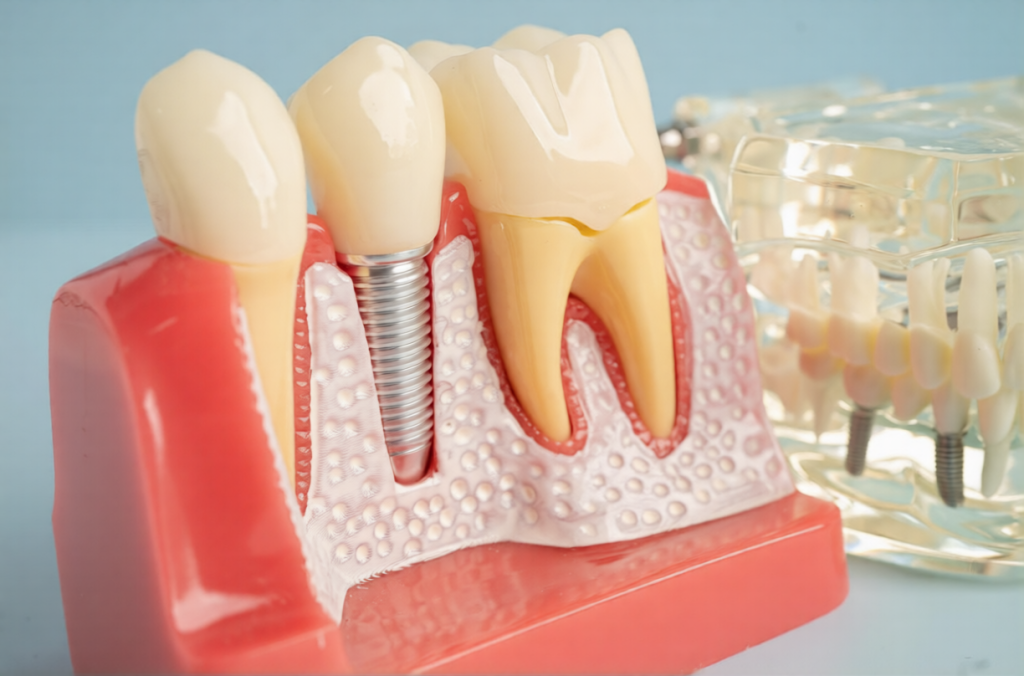




If you’re considering a dental crown or already have one, you might be wondering how long it will last. The lifespan of a dental crown usually ranges from 10 to 15 years, though this timeframe can vary significantly based on numerous factors. Understanding what influences crown longevity can help you take steps that may extend the life of your restoration.
Research suggests that many crowns last well beyond the average with proper care and maintenance. However, some dental crowns may require replacement earlier due to factors like oral hygiene habits, teeth grinding, or the location of the crowned tooth. Individual circumstances play a substantial role in determining how long a dental crown lasts.
In this blog, readers will find evidence-based information about the factors that affect crown lifespan. It covers crown material types, care practices that may help extend crown longevity, and warning signs that professional attention may be needed. Remember that individual results vary, and a consultation with a dental professional provides personalised guidance based on your specific circumstances.
Important: Any surgical or invasive procedure carries risks. Before proceeding, you should seek a second opinion from an appropriately qualified health practitioner.
Contents Navigation
Summary of the Content
- Research indicates that dental crowns usually last between 10 and 15 years, though many patients experience significantly longer or shorter lifespans depending on individual factors.
- Different crown materials have distinct durability characteristics, with options including porcelain, zirconia crowns, porcelain-fused-to-metal, and gold or metal alloy crowns.
- Daily oral hygiene practices directly impact crown longevity by helping to maintain the health of the underlying tooth structure and surrounding gum tissue.
- Teeth grinding or clenching (bruxism) can significantly reduce crown lifespan, particularly for ceramic crowns, though protective nightguards may help manage this issue.
- Dietary choices and eating habits, including consumption of extremely hard foods or sticky foods, can potentially affect crown durability over time.
- The quality of crown placement, including proper fit and bond, contributes to long-term success rates for dental crowns.
- The location of a crown in the mouth influences longevity, with back teeth experiencing greater biting and chewing forces than front teeth.
- Warning signs that a crown may need professional attention include pain, sensitivity, visible damage, changes in bite, or gaps developing at the crown margins.
Dental Crown Longevity: What Research Tells Us
Clinical research and dental studies provide valuable guidance about crown lifespan, though outcomes vary depending on individual circumstances. Research suggests that many dental crowns remain functional for 10 to 15 years with proper care and maintenance. Understanding these evidence-based timeframes helps patients approach crown treatment with realistic expectations whilst recognising that individual outcomes depend on personal circumstances and care practices.
Peer-reviewed research tracking crown survival over extended periods reveals more specific patterns about what patients can usually expect. Literature reviews indicate the following survival patterns, though individual outcomes vary:
- Approximately 95% of crowns remain functional for at least five years.
- More than 90% do not require major intervention within five years.
- Longer-term survival at 15-20 years ranges from 50% to 80%, depending on multiple factors including crown material, tooth location, and individual patient characteristics.
Research shows differences among crown types, though these differences are relatively small in many cases. Studies indicate that all-ceramic crowns for posterior teeth (back teeth) demonstrate somewhat lower survival rates compared to other crown types. A dentist can provide personalised information about what to expect based on your specific situation, taking into account how well you maintain oral health through regular dental visits and proper home care.
Types of Dental Crown Materials and Their Expected Lifespan
Different crown materials offer distinct durability characteristics and typical lifespans, though individual factors often matter more than material alone. Material selection is just one piece of the puzzle when it comes to crown longevity. Proper oral hygiene, regular dental check-ups, and habits like avoiding teeth grinding play equally important roles in how long a crown lasts.
Dentists select crown materials based on the location of the tooth, the patient’s functional needs, and aesthetic preferences. Each material has specific advantages and considerations that make it appropriate for different situations and patients.
Porcelain and Ceramic Crowns
Porcelain and all-ceramic crowns are valued for their natural appearance, making them a commonly chosen option for visible teeth. These ceramic crowns offer several advantages, whilst also having some considerations to keep in mind. Modern porcelain formulations have advanced significantly, offering improved durability compared to earlier versions.
Advantages:
- Natural Appearance:
Porcelain crowns closely mimic the translucency and colour of natural teeth. They can be colour-matched to blend naturally with surrounding teeth, making them a popular choice for front teeth and helping to improve smile appearance. - Biocompatibility:
Porcelain is well-tolerated by oral tissues, including adjacent teeth and gum tissue, and does not cause allergic reactions. - Aesthetic Longevity:
Unlike some materials that may discolour or show wear patterns over time, porcelain maintains its appearance well. This makes it particularly suitable when aesthetics are a priority for your smile.
Considerations:
- Potential for Chipping:
Whilst modern porcelain is durable, it may be more prone to chipping under excessive force compared to some other materials. This consideration is particularly relevant for teeth that experience high chewing pressures. - Generally Suited for Lower-Pressure Areas:
Porcelain crowns are often recommended for front teeth or areas that don’t bear heavy chewing loads. Back teeth (molars) may require stronger materials in some cases, depending on individual factors.
Patients seeking natural-looking restorations for front teeth or those without heavy grinding habits may find porcelain suitable, though individual assessment with a dentist is necessary to determine the right choice.
Zirconia Crowns
Zirconia crowns are a newer ceramic option made from zirconium dioxide, a material known for combining strength with aesthetic appeal. Many dentists recommend zirconia for its combination of durability and aesthetics.
Advantages:
- High Strength:
Zirconia offers high fracture resistance, making it suitable for teeth that experience significant chewing forces. The material can withstand substantial pressure without cracking or breaking, which helps protect the underlying tooth. - Durability and Longevity:
Many zirconia crowns demonstrate long-term performance. Some patients experience longevity of two decades or more with proper care, though individual results vary significantly based on multiple factors. This durability makes them appropriate for both front and back teeth, where biting and chewing forces vary. - Biocompatibility:
Zirconia is well-tolerated by oral tissues and does not cause allergic reactions. The material integrates well with the surrounding gum tissue and bone. - Versatile Applications:
Zirconia’s combination of strength and aesthetic appeal makes it appropriate for various tooth locations. It can be used for single crowns, dental bridges, and dental implant restorations.
Zirconia may be slightly less translucent than all-porcelain crowns, though modern formulations have improved aesthetic qualities considerably. The material has gained popularity due to its versatile performance characteristics and potential for long-term durability. Individual outcomes with zirconia crowns vary based on factors including oral hygiene habits, grinding habits, and overall oral health.
Porcelain-Fused-to-Metal Crowns (PFM Crowns)
Porcelain-fused-to-metal crowns combine a metal substructure with a porcelain outer layer, offering both strength and aesthetic appeal. The construction method provides durability whilst also addressing aesthetic concerns for patients.
Advantages:
- Durability and Strength:
The metal base provides substantial structural support, making PFM crowns capable of withstanding significant chewing forces. This construction method offers reliable long-term performance and helps protect the entire tooth structure beneath. - Versatility:
PFM crowns can be used for both front and back teeth, depending on individual circumstances and aesthetic requirements. The combination of materials makes them adaptable to various clinical situations where function and appearance both matter. - Established Clinical History:
Decades of clinical use have provided evidence about the performance characteristics of porcelain-fused-to-metal crowns in diverse patient populations. Many dentists have extensive experience working with this restoration type.
Considerations:
- Potential Metal Line at Gumline:
If gums recede over time, a thin dark line from the metal substructure may become visible at the crown margin near the gumline. This consideration is particularly relevant for front teeth, where aesthetics are important. - Possible Chipping of Porcelain Layer:
Whilst the metal base remains strong, the porcelain layer can potentially chip under excessive force. Minor chips may sometimes occur, though they don’t necessarily compromise the crown’s function.
The metal substructure of PFM crowns provides support even if the porcelain layer experiences minor wear and tear or chips. Material selection should be based on individual needs, aesthetic priorities, and professional recommendations from a dentist. Dentists may recommend porcelain-fused-to-metal crowns in situations where durability is prioritised whilst maintaining acceptable aesthetics.
Gold and Metal Alloy Crowns
Gold and metal crowns are made from gold alloy or other metal alloys designed for dental use. Their functional characteristics have made them a reliable option in dentistry for many years.
Benefits:
- High Durability:
Gold and metal crowns demonstrate high wear resistance. Research indicates lower fracture rates compared to some other materials, though individual outcomes vary. This makes them a long-lasting crown option, which may contribute to their value over time. - Biocompatibility:
Gold is well-tolerated by oral tissues and does not cause adverse reactions. Metal crowns integrate successfully with surrounding tissues and rarely cause complications related to nickel or other metal allergies when proper alloys are used. - Compatible Wear Characteristics:
Gold has a wear rate similar to natural tooth enamel, which means it doesn’t cause excessive wear on teeth that bite against it. This characteristic helps protect the longevity of adjacent natural teeth. - Proper Fit:
Metal crowns can be fabricated with precise margins, contributing to their longevity. The material properties allow for thin, well-fitting restorations that bond effectively to the tooth structure.
The primary consideration with gold and metal crowns is their distinctive metallic appearance, which makes them visually different from natural teeth. They are usually reserved for back teeth, where appearance is less critical and durability is prioritised. Despite being less commonly requested today due to aesthetic preferences, they remain highly functional choices for certain patients and clinical situations where function takes precedence over appearance.
Major Factors That Influence Crown Lifespan
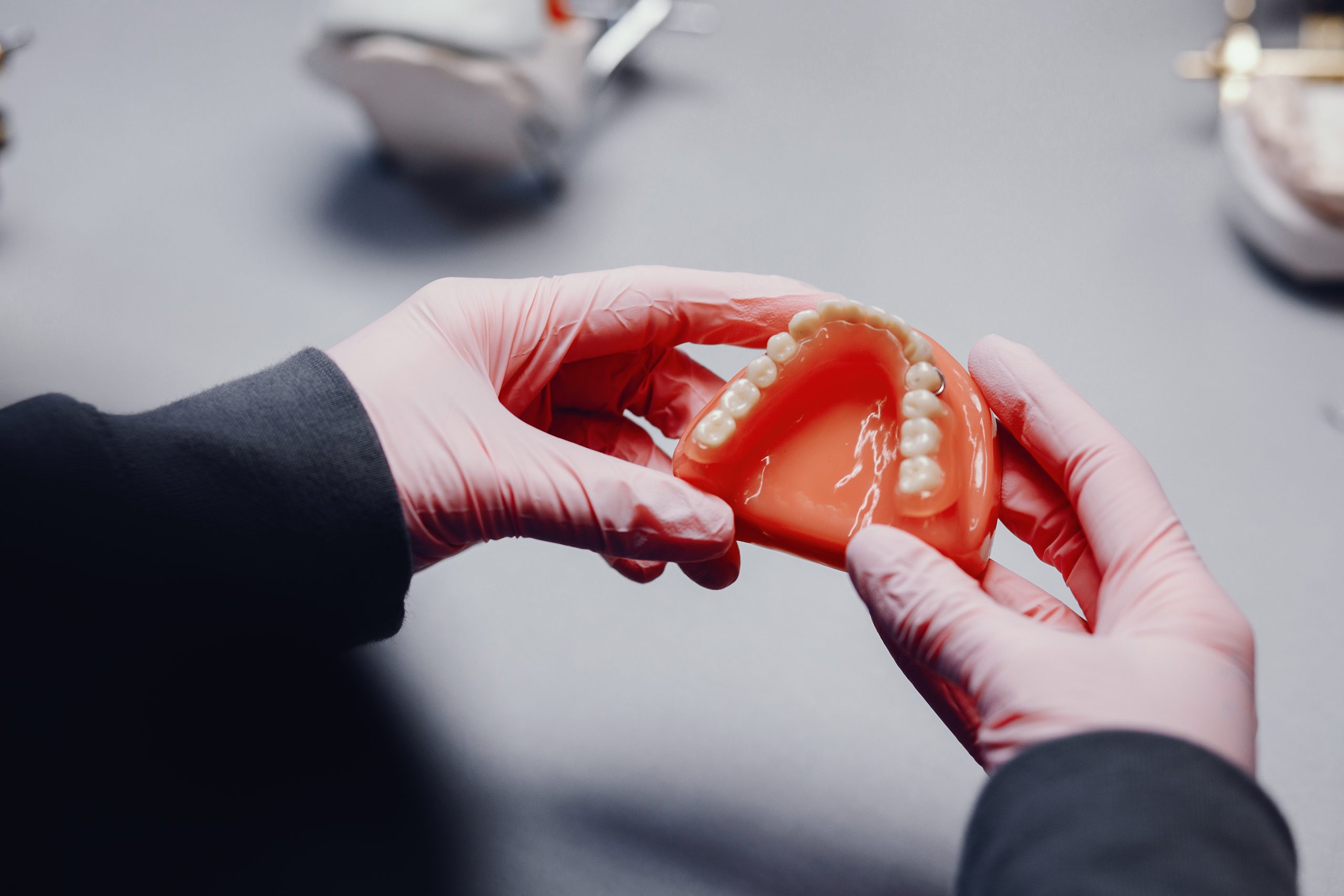
The lifespan of a dental crown is determined by multiple interacting factors, some within patient control and others less so. Understanding these factors empowers patients to take actions that may help extend crown longevity whilst maintaining realistic expectations.
Whilst patients can influence many of these factors through daily habits and preventive care, natural variation in outcomes is expected. Even with proper oral hygiene habits and attention to all controllable factors, crowns eventually require replacement as materials wear over time.
Oral Hygiene and Home Care Practices
Daily oral hygiene directly impacts crown longevity by helping prevent tooth decay of the underlying tooth structure and maintaining healthy gums around the crown. The natural tooth beneath a crown remains vulnerable to decay if oral hygiene is inadequate, which can compromise the crown’s longevity. Proper dental hygiene habits are essential for maintaining both the crown and the tooth it covers.
Recommended Practices:
- Brushing Technique:
Brush twice a day using a soft-bristle toothbrush, paying special attention to the area where the crown meets the gumline. This junction is particularly important to keep clean, as bacteria can accumulate here and cause problems. - Flossing Methods:
Floss daily around crowns using proper technique to clear away plaque from areas a toothbrush cannot reach. Proper flossing helps maintain healthy gums and prevents decay at crown margins, protecting the tooth structure beneath. - Antimicrobial Rinses:
Use antibacterial mouthwash if recommended by a dentist to help reduce bacterial levels in the mouth. This can provide additional protection for both natural teeth and crowns, supporting good oral health. - Regular Technique Review:
Proper oral hygiene techniques must be used, as improper methods may miss critical areas. Asking a dentist to review technique during regular check-ups can be helpful for maintaining good oral health.
Crowns themselves don’t decay, but poor hygiene habits can compromise the tooth underneath or lead to gum disease that affects the crown’s stability. Individual oral hygiene needs may vary, so consulting with a dentist about proper techniques tailored to your specific circumstances provides personalised guidance for maintaining crown health and performance.
Teeth Grinding and Clenching (Bruxism)
Teeth grinding and clenching can significantly shorten crown lifespan by placing excessive force on the restoration, potentially causing cracks, chips, or loosening. This is an impactful factor on crown durability, particularly for ceramic crowns that may be more vulnerable to fracture under sustained heavy forces. Bad habits like grinding can affect how long dental crowns last.
- Common Signs of Bruxism:
Waking with jaw soreness, headaches, or facial pain may indicate grinding habits. Worn tooth surfaces, broken dental work, or a partner noticing grinding sounds during sleep at night are other potential indicators. - Unconscious Habit:
Many people grind their teeth unconsciously during sleep and may not realise they have this habit. Stress, anxiety, and sleep disorders can contribute to grinding behaviour that affects both natural teeth and dental restorations. - Nightguard Protection:
Custom-fitted nightguards can help protect crowns from grinding forces by creating a protective barrier. These devices may reduce the risk of crown damage, though they don’t eliminate clenching behaviour itself. - Professional Management:
Dentists can assess signs of bruxism and recommend appropriate management strategies. Treatment approaches may include stress management, bite adjustments, or other interventions based on individual circumstances to protect the crowned tooth.
If grinding is suspected, consultation with a dentist allows for tailored management strategies based on individual needs and circumstances. Managing bruxism is not about fault or judgment—many patients grind their teeth unconsciously, and various approaches can help protect dental work and maintain good condition.
Diet and Eating Habits
Dietary choices and eating habits can impact crown longevity, particularly behaviours that place excessive force on the restoration. Being mindful of certain practices may help protect crowns from damage whilst allowing for normal eating and enjoyment of foods. Lifestyle habits related to diet can affect wear and tear on dental restorations.
Practices to Approach with Care:
- Chewing Ice or Hard Candies:
Biting down on very hard substances like ice cubes or hard sweets can potentially crack or chip crowns. These materials place concentrated chewing forces on teeth and restorations. - Using Teeth as Tools:
Opening packages, tearing tags, or using fingernails with teeth can place unnatural stress on crowns. Using appropriate tools instead helps protect dental work from further damage. - Extremely Sticky Foods:
Very sticky or chewy foods can potentially pull on crowns or place stress on the bond. Caramels, toffees, and similar foods warrant mindful consumption to maintain good condition. - Very Hard Foods:
Foods like hard nuts, crusty bread edges, or seeds with shells require careful chewing. Being mindful when eating these items helps reduce the risk of crown damage and extends their lifespan.
Many normal foods can be enjoyed with reasonable precautions and mindfulness about chewing technique. Crowns are designed to function like natural teeth for normal eating activities, though excessive force should be avoided where practical. Moderation and awareness are key—occasional consumption of harder foods is usually not problematic when approached carefully and chewed with consideration.
Crown Placement Quality and Fit
Proper crown preparation, fabrication, and crown placement contribute significantly to long-term success and longevity. Well-fitted crowns with precisely finished margins tend to have better long-term outcomes, as gaps or poor fit can allow bacteria to accumulate or compromise the bond between crown and tooth. The dental crown placement procedure and installation process are essential factors in determining how long crowns last.
Factors Contributing to Successful Treatment:
- Precise Tooth Preparation:
Careful shaping of the original tooth structure creates an appropriate foundation for the crown. Proper preparation helps achieve adequate crown material thickness and promotes good retention, which are essential for the restoration to function properly. - Accurate Impressions or Scans:
Modern digital scanning technology or traditional impression techniques capture the detailed shape needed for crown fabrication. Precision at this stage contributes to crown fit and function, affecting the overall success of the treatment. - Proper Bonding and Cementation:
The method and materials used to attach the crown to the tooth affect long-term stability. Careful bonding procedures help secure the crown in place and can create a strong bond that lasts many years. - Margin Refinement:
The junction where the crown meets the tooth should be smooth and well-sealed. Properly finished margins help prevent bacterial accumulation and gum irritation, which is essential for maintaining health.
Whilst patients cannot directly control placement quality, choosing an experienced dental clinic and attending recommended follow-up appointments supports optimal outcomes. If concerns arise about crown fit or comfort after placement, discussing them with a dentist allows for timely assessment and adjustment if needed. Proper diagnosis at the initial appointment helps determine the appropriate treatment approach.
Location of the Crown in the Mouth
Tooth position influences crown longevity because different teeth experience varying levels of biting and chewing forces. Back teeth (molars) bear greater chewing pressures than front teeth, which can affect wear patterns and the durability demands placed on the crown material. The location of the affected tooth in your mouth plays a role in determining how long the dental crown lasts, depending on various factors.
Location-Related Considerations:
- Molars and Premolars:
Back teeth experience greater chewing forces during normal eating activities. Crowns in these positions may face more wear over time due to the pressures involved in chewing. - Front Teeth:
Incisors and canines usually experience lower chewing pressures during various eating activities. Crowns in these positions may have different longevity patterns than back teeth, though they still require proper care. - Material Selection by Location:
Dentists often recommend stronger durable materials for back teeth, where function is prioritised. Front tooth positions may allow for materials chosen primarily for aesthetic qualities and appearance. - Aesthetic Versus Functional Longevity:
Front tooth crowns may maintain structural integrity well, but might require earlier replacement for aesthetic reasons in some cases. Considerations like gumline appearance or colour matching may influence dental crown replacement timing.
Dentists consider tooth position when recommending crown materials as part of comprehensive treatment planning. This factor is taken into account alongside patient preferences, budget considerations, and other factors to determine the appropriate crown type for each specific situation.
Recognising Warning Signs That Your Crown May Need Professional Attention
Recognising warning signs that a crown may be developing problems allows for timely intervention and may help prevent more serious complications. Some changes represent normal wear, whilst others warrant professional evaluation to assess whether attention is needed. Regular dental visits help identify issues before they become symptomatic, but patients should also be aware of signs that warrant contacting a dentist between scheduled visits.
Signs That Warrant Professional Evaluation:
- Pain, Sensitivity, or Discomfort:
Persistent pain or discomfort around a crown, sensitivity to temperature, or pain when biting may indicate issues that require assessment. These symptoms could suggest various problems and warrant evaluation by a dental professional. - Visible Damage:
Cracks, chips, or noticeable changes in the crown’s appearance should be evaluated professionally. Even minor visible damage may require attention to prevent further damage or crown failure. - Changes in Fit or Bite:
If the crown feels like a loose crown, moves slightly, or if the bite feels different, professional assessment is appropriate. Changes in how teeth come together when biting may indicate crown issues that need to be addressed. - Gaps at Crown Margins:
Noticing space between the crown and gum, or feeling a gap with the tongue, suggests the crown seal may be compromised. This can allow bacteria to reach the tooth underneath and potentially lead to decay. - Gum Changes Around the Crown:
Persistent redness, swelling, bleeding, or tenderness in the gums around the crown may indicate inflammation or infection. Changes in gum tissue colour or texture warrant evaluation to maintain health. - Food Catching Around the Crown:
If food consistently gets stuck in the same area around a crown, this may suggest fit issues. A professional evaluation can determine whether an adjustment is needed to restore proper function.
These warning signs should prompt a consultation with a dentist rather than self-diagnosis. Only a dentist can properly evaluate whether a crown needs attention, adjustment, or replacement based on a thorough examination of the individual situation.
Final Thoughts
The lifespan of a dental crown usually ranges from 10 to 15 years, though individual experiences vary considerably based on multiple factors. Material selection matters, but personal habits like oral hygiene and managing teeth grinding often play equally important roles in crown longevity. Understanding what influences crown lifespan empowers patients to take meaningful steps that may help extend the life of their restoration.
Strong partnerships with dental professionals through regular check-ups and open communication support optimal crown care over time. Preventive maintenance, including consistent oral hygiene and professional cleanings, may help maximise the crown’s lifespan. Even with proper care, however, crowns eventually require replacement as materials naturally wear or circumstances change.
When you’re ready to discuss your dental health needs, the team at My Dentist Blackwood welcomes the opportunity to provide personalised assessment and guidance. We understand that every patient’s circumstances are unique, and we’re here to address your questions and concerns about crown care. Contact us at your convenience to learn more about maintaining your dental health—we look forward to supporting you in caring for your smile.
About Our Dentists
This content has been prepared by registered dental practitioners at My Dentist Blackwood:
Dr Tina Le
AHPRA Registration: DEN0001411332
General Dentist
Dr Diana Castrillon
AHPRA Registration: DEN0002170625
General Dentist
Dr Emma Chin
AHPRA Registration: DEN0002134625
General Dentist
Dr Liesl Collins
AHPRA Registration: DEN0001659430
General Dentist


 General Dentistry
 Cosmetic Dentistry
 Restorative Dentistry
 Dental Implants
 Clear Aligners
 Emergency Dentist
 Childrens Dentist