




If you’re considering dental crowns, you’ve probably encountered conflicting information online. Some concerns about crown treatment are valid and worth discussing. Others stem from outdated information or misconceptions about dental crowns that no longer reflect current practice. Knowing what you really need to know about dental crowns can help you make better decisions about your oral health.
Misinformation about dental crowns can lead to unnecessary worry or delayed care. This article addresses common dental crowns myths with evidence-based information. We’ll examine misconceptions about dental crowns, discuss dental crown facts, and explore crown treatment myths that persist despite advances in dentistry.
By the end of this article, you’ll know when crowns are necessary, what to realistically expect, and how to advocate for yourself. You’ll have the factual information needed to discuss treatment options with your dentist. This knowledge can help you approach dental decisions with clarity rather than confusion.
Contents Navigation
- 1 Summary of the Content
- 2 Dental Crowns Basics
- 3 Myth 1: Dental Crowns Are Just a Money-Making Scheme
- 4 Myth 2: Crowns Always Fail After a Few Years
- 5 Myth 3: Getting a Crown Is the Most Painful Dental Procedure
- 6 Myth 4: You Should Always Pull a Tooth Instead of Getting a Crown
- 7 Myth 5: Crowns Last Forever Once They're Placed
- 8 Myth 6: There Are No Alternatives to Dental Crowns
- 9 Myth 7: All Dentists Push Crowns Unnecessarily
- 10 The Real Pros and Cons of Dental Crowns
- 11 When Are Dental Crowns Actually Necessary?
- 12 Final Thoughts
Summary of the Content
- Dental crowns can help restore damaged teeth when clinically indicated.
- Treatment planning should be based on individual assessment rather than myths or generalisations.
- Crown longevity varies depending on multiple factors, including oral hygiene and crown material.
- Modern techniques may help minimise discomfort during crown procedures for many patients.
- Preserving natural teeth is often preferable when structurally possible, but extraction may be more appropriate in some cases.
- Dental crown alternatives exist for specific situations, and discussing options with your dentist is important.
- Knowing the real pros and cons of dental crowns can help you navigate treatment decisions.
- Individual circumstances vary significantly, and results may differ between patients.
Dental Crowns Basics
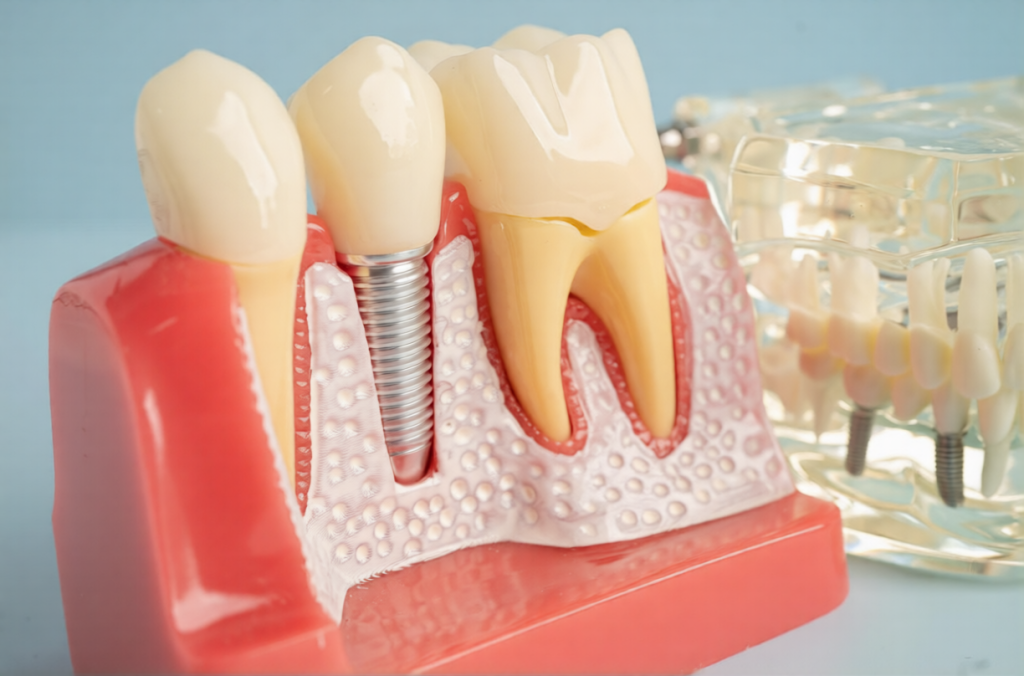
A dental crown is a tooth-shaped cap that covers the entire visible portion of a tooth. Dentists may recommend crowns for several clinical situations. These include teeth with extensive decay that cannot support a filling.
Teeth that have undergone root canal therapy often need crowns for structural support. Large existing fillings may eventually require crown coverage. Fractured or cracked teeth might benefit from crown protection in some cases.
Different crown materials are available, each with specific characteristics. Porcelain crowns can provide a natural appearance for front teeth. Ceramic crowns offer aesthetic benefits for suitable candidates. Metal crowns provide durability for back teeth that handle significant chewing forces. Porcelain-fused-to-metal crowns combine strength with improved aesthetics. Your dentist can discuss which option might suit your individual situation.
The crown placement process involves tooth preparation to create space for the crown. An impression captures the shape of the prepared tooth. A temporary crown protects the tooth while the crown is being fabricated in the laboratory. At a second appointment, the dentist takes off the temporary crown and fits the new one. This is the standard approach, though individual cases may vary.
Myth 1: Dental Crowns Are Just a Money-Making Scheme
This perception exists for understandable reasons. Crown treatment represents a significant financial investment. Different dentists may have varying treatment philosophies.
Some clinical situations present grey areas where multiple approaches might be defensible. These factors can create confusion about when crowns are necessary. Recognising the clinical situations where crowns serve important functions can help you evaluate recommendations more clearly.
When crowns are clinically indicated, they serve several important purposes:
- Extensive tooth decay:
A tooth with substantial decay may not have sufficient structure to support a filling. The remaining tooth walls become too thin to withstand chewing forces. A crown can encompass the entire tooth, potentially distributing forces more evenly. - After root canal therapy:
A tooth that has undergone root canal therapy becomes more brittle. Research indicates that teeth following root canal therapy are more prone to fracture. Without a crown, the tooth may break during normal chewing. A crown can help protect the remaining tooth structure in these cases. - Large existing fillings:
As fillings increase in size, the remaining tooth walls become thinner and weaker. These walls may fracture under the pressure of chewing. A crown provides structural reinforcement based on the amount of remaining tooth structure. - Severely worn teeth:
Teeth affected by grinding or acid erosion may lose significant height. This can affect your bite and jaw position. Crowns can help restore proper tooth dimensions in suitable candidates. The goal is to address functional concerns rather than purely cosmetic ones. - Fractured or cracked teeth:
Teeth with cracks or fractures may benefit from the protection a crown provides. This can help prevent the crack from worsening over time.
Transparency in treatment planning matters significantly. A dentist should explain why they’re recommending a crown for your specific situation. They should discuss the extent of damage or decay. They should outline what might happen without treatment. They should also mention whether dental crown alternatives exist for your situation. Asking questions about the rationale helps you grasp the recommendation better.
Cost considerations are real and valid. Crowns cost more than fillings. However, when a crown is clinically indicated, it may help prevent more extensive problems that could require even more costly treatment later.
The crown failure rate is influenced by case selection. Crowns placed on teeth with adequate remaining structure may have different outcomes than those placed on severely compromised teeth.
If you’re uncertain about a crown recommendation, seeking a second opinion is reasonable. Different dentists may have different treatment thresholds. The reasoning behind each recommendation helps you make a well-considered choice about what you really need to know about dental crowns.
Myth 2: Crowns Always Fail After a Few Years
This myth doesn’t reflect current research on crown longevity. The evidence can help set realistic expectations about how long crowns can last with proper care.
Research shows promising crown survival rates for suitable candidates. A systematic review of crown survival rates found that metal-ceramic crowns demonstrated approximately 95.6% survival at 5 years, while all-ceramic crowns showed approximately 93.3%.
Different materials showed varying results, with densely sintered alumina crowns at approximately 96.4%, reinforced glass-ceramic at approximately 95.4%, and glass-ceramic crowns at approximately 87.5%. Crown location also matters, with posterior teeth generally showing slightly lower survival rates than anterior teeth.
The crown failure rate depends on what ‘failure’ actually means clinically. A crown doesn’t usually crack or fall apart suddenly. More commonly, issues develop at the margin where the crown meets the natural tooth. Decay can develop in the underlying tooth if oral hygiene isn’t maintained. The cement holding the crown may degrade over time.
Several factors influence crown lifespan:
- Oral hygiene practices:
Daily brushing and flossing help minimise plaque accumulation at crown margins. Regular dental check-ups allow early detection of potential issues. Your dentist can identify problems before they become severe. - Bruxism or teeth grinding:
Grinding creates excessive forces on teeth and crowns. A night guard may help protect crowns for people who grind their teeth. This can significantly affect crown longevity. - Crown location:
Back teeth that handle significant chewing forces may experience more stress than front teeth. Location influences the wear patterns that develop over time. - Crown material:
Metal crowns may withstand forces differently than all-ceramic crowns. Porcelain-fused-to-metal crowns combine characteristics of both materials. Material selection affects durability. - Initial placement quality:
Proper tooth preparation and accurate impressions contribute to better outcomes. The cement used to bond the crown affects long-term retention. Quality of the initial placement matters significantly.
Your individual circumstances differ from research populations. Your oral hygiene habits, diet, grinding patterns, and overall health all play roles. Some people’s crowns last for decades with proper care. Others may experience crown problems sooner. The crown failure rate varies based on these individual factors.
Realistic timeframes help set appropriate expectations. Crowns are long-lasting restorations but require maintenance and monitoring. Eventually, replacement may become necessary. This doesn’t mean the crown ‘failed’ in the sense of being defective. It means the restoration has reached the end of its functional life. This balanced view of crown longevity helps you plan appropriately.
Myth 3: Getting a Crown Is the Most Painful Dental Procedure
Pain concerns about dental procedures are common and reasonable. However, this myth doesn’t reflect many patients’ experiences with modern crown placement.
Several factors contribute to comfort during crown placement:
- Modern anaesthesia:
Local anaesthesia can help minimise discomfort during tooth preparation. Your dentist numbs the area before beginning any work. Many patients report feeling little to no pain during the actual crown preparation procedure. - Pressure and vibration:
You will likely feel pressure and vibration during tooth preparation. These sensations occur even when the area is numb. They can feel unusual but shouldn’t be painful if anaesthesia is adequate. If you do feel pain during the procedure, tell your dentist immediately. Additional anaesthesia can be administered to enhance comfort. - Post-procedure sensitivity:
Some sensitivity is common after the anaesthesia wears off. The prepared tooth may feel sensitive to temperature or pressure. This sensitivity often decreases within a few days. Over-the-counter pain relief may help manage discomfort during this period. - Temporary crown period:
Temporary crowns sometimes cause sensitivity. The temporary material doesn’t seal the tooth as completely. Hot, cold, or sweet foods might trigger sensitivity. This usually goes away once the final crown is placed. Avoiding very hot or cold foods while wearing the temporary crown can help. - Adjustment period:
After placement of the final crown, some people experience sensitivity that gradually subsides. This might occur if the crown sits slightly high, affecting your bite. Your dentist can adjust the crown to address this. Sensitivity around the crown margin can occur as gums adjust to the restoration. This often improves within a few weeks.
Comparing crown procedures to other dental treatments provides helpful context. Root canal therapy addresses infected tooth pulp. Extraction involves taking out an entire tooth from the socket. Dental implant placement requires surgical insertion of a titanium post into the jawbone. Crown preparation involves modifying tooth structure but doesn’t require surgical incision or tooth extraction.
Pain tolerance varies significantly between individuals. What one person finds mildly uncomfortable might be more challenging for another. Anxiety about dental procedures can amplify pain perception. Communicating with your dentist about your concerns helps them support you better. Some practices offer options for anxious patients.
If you experience significant pain during recovery that doesn’t improve, contact your dentist. Persistent pain might indicate an issue requiring attention. Don’t assume severe pain is normal. Crown complications can occur, and addressing them promptly is important. These realities help set appropriate expectations about discomfort levels.
Myth 4: You Should Always Pull a Tooth Instead of Getting a Crown
The crown vs extraction decision depends on multiple factors specific to your situation. Both the benefits of preservation and situations where extraction might be more appropriate can help you make a well-considered choice.
Benefits of preserving natural teeth when structurally possible:
- Jawbone preservation:
Your natural tooth root helps maintain jawbone density. When a tooth is extracted, the bone that previously supported it may gradually shrink. This bone loss can affect facial structure over time and complicate future dental work. - Maintaining proper spacing:
Your natural teeth help maintain proper spacing in your mouth. When a tooth is missing, adjacent teeth may gradually shift. Opposing teeth may over-erupt into the gap. These changes can affect your bite alignment. - Natural function:
A restored natural tooth with a crown uses your existing root and bone support. This can feel more natural than some replacement options for many patients. However, individual experiences vary significantly. - Preserving dental architecture:
Keeping a natural tooth, when feasible, helps maintain your existing dental structure. This prevents the cascade of problems that can follow tooth loss.
Situations when extraction might be more appropriate than crown versus pulling tooth preservation:
- Extensive structural damage:
If damage has destroyed most of the tooth structure, a crown might not be viable. Insufficient tooth structure means the crown has nothing solid to attach to. In these cases, extraction may be the more reasonable option. - Severe infection:
If the infection cannot be addressed with root canal therapy, extraction might be necessary. The tooth’s ability to respond to care influences this decision. - Extensive bone loss:
If bone loss around the tooth is extensive, the tooth may not be stable enough to support a crown. Stability is essential for crown success. - Vertical root fractures:
Fractures that extend below the gum line often cannot be successfully restored. These make the tooth non-restorable in most cases. - Financial constraints:
Crown treatment requires significant investment. Extraction costs less initially. However, extraction costs should include potential replacement options. Leaving a gap where a tooth was extracted can lead to the problems mentioned earlier.
Replacement options after extraction have their own considerations. Dental implants involve the surgical placement of a titanium post into the jawbone. Dental bridges replace missing teeth by using adjacent teeth as anchors. Partial dentures are removable appliances that replace one or more missing teeth. Each option has specific benefits and limitations that should be discussed with your dentist.
Myth 5: Crowns Last Forever Once They're Placed
This myth sets unrealistic expectations about crown longevity. Dental crowns are long-lasting restorations for many patients, but recognising their limitations is important. All dental restorations have a lifespan and eventually need replacement.
Maintenance requirements for crown longevity:
- Daily oral hygiene:
Crowns require ongoing maintenance just like natural teeth. Daily brushing and flossing remain essential. Plaque and bacteria can accumulate at crown margins. This can lead to decay in the underlying natural tooth. Good oral hygiene helps maximise the time your crown remains functional. - Regular dental monitoring:
Regular dental check-ups allow monitoring of crown condition. Your dentist examines the crown margins for gaps or decay. They assess how the crown is holding up under chewing forces. Early detection of issues allows intervention before problems become severe. - Avoiding excessive force:
Being mindful of what you chew can help protect crowns. Very hard foods or using teeth to open packages can damage crowns. Protecting your crowns from unnecessary stress helps extend their functional life.
Common wear patterns and issues that develop over time:
- Gradual wear:
The chewing surface of the crown may gradually wear down with normal use. This is expected and often mirrors the wear on natural teeth. - Cement degradation:
The cement that bonds the crown to the tooth may slowly degrade. Microscopic gaps can develop at the crown margin. These gaps can allow bacteria to reach the underlying tooth. - Potential crown problems:
Issues that may develop include loose crowns, cracked or fractured crowns, decay around crown margins, gum recession exposing crown edges, and changes in bite due to wear. Not all crowns experience these crown complications, but they represent possibilities. - Need for replacement:
Eventually, replacement may become necessary. This doesn’t mean the crown ‘failed’ in the sense of being defective. It means the restoration has reached the end of its functional life.
Viewing crowns as long-term rather than lifelong restorations sets appropriate expectations. This perspective helps you appreciate the importance of ongoing care and plan for eventual replacement costs. Most people find that properly maintained crowns provide many years of good function.
Myth 6: There Are No Alternatives to Dental Crowns
Several dental crown alternatives exist for specific situations. These options help you have productive discussions with your dentist about the most appropriate care for your circumstances.
Common dental crown alternatives and their applications:
- Inlays and onlays:
Sometimes called partial crowns, these can restore moderately damaged teeth. These restorations fit within or over portions of the tooth. They require less tooth structure modification than full crowns. An inlay fits within the cusps of the tooth. An onlay extends over one or more cusps. These work well when damage is localised but too extensive for a simple filling. - Large fillings:
Modern filling materials can address significant decay or damage in some situations. Composite resin fillings can be colour-matched to your teeth. They have improved durability and aesthetics. However, very large fillings may not provide adequate strength for teeth with extensive damage. They may be more prone to fracture in certain situations. - Veneers for front teeth:
Veneers represent another dental crown alternative, primarily for front teeth with cosmetic concerns. These are thin shells bonded to the front surface of teeth. They can address discolouration, minor misalignment, or chips. Veneers require less tooth structure modification than crowns in most cases. However, they only cover the front of the tooth. They don’t provide the same structural support as crowns. - Monitoring approach:
In some cases, doing nothing temporarily might be an acceptable option. If a tooth has minor damage and isn’t causing problems, monitoring might be appropriate. Your dentist can track the situation over time. However, this approach carries risks. The damage might progress, potentially requiring more extensive care later.
Limitations of alternatives compared to crowns:
- After root canal therapy:
A tooth following root canal therapy needs full coverage for protection. Dental crown alternatives may not provide adequate structural support in these cases. - Extensively damaged teeth:
When tooth structure is severely compromised, partial restorations may not be sufficient. Full crown coverage becomes necessary for structural integrity. - Severely worn teeth:
Teeth that need significant height restoration require full crowns. Partial restorations cannot adequately restore proper tooth dimensions. - Functional demands:
Back teeth that handle significant chewing forces may need the comprehensive protection that crowns provide. Dental crown alternatives might not withstand these forces over the long term.
The decision-making process should consider multiple factors. The extent and location of damage affect which restoration can provide adequate support. Tooth location matters because front teeth face different forces than back teeth.
Functional demands vary between teeth. Aesthetic concerns may be more significant for visible front teeth. Cost considerations are legitimate factors in treatment planning.
Discussing realistic expectations for each dental crown alternative with your dentist is important. Ask about the limitations of less extensive care options. Learn what might happen if you choose a more conservative approach. Your dentist should explain when crowns are necessary versus when alternatives might be appropriate.
Myth 7: All Dentists Push Crowns Unnecessarily
Scepticism about dental recommendations is reasonable. Dental treatment involves significant costs, and treatment planning sometimes involves clinical judgement rather than absolute rules.
Reasons for variation in dental recommendations:
- Different treatment philosophies:
Dentists have varying approaches to care. Some take more conservative approaches, intervening only when necessary. Others recommend earlier intervention to prevent future problems. These different approaches don’t necessarily indicate that one dentist is right and another wrong. They reflect different professional judgements about managing risk and uncertainty. - Clinical grey areas:
Situations exist where there isn’t a clear-cut answer. A large filling might be adequate, or a crown might provide better long-term outcomes. Reasonable dentists might disagree on the approach. Clinical judgement comes into play in these situations. - Risk assessment differences:
Dentists may have different thresholds for intervention based on their training and experience. What one views as requiring immediate care, another might choose to monitor. These represent differences in professional judgement rather than dishonesty. - Individual patient factors:
Your specific situation influences recommendations. Your oral hygiene habits, diet, grinding patterns, and overall health all play roles. Dentists consider these factors when making recommendations.
Value of second opinions:
- Confirming recommendations:
Another dentist might confirm the initial recommendation. This can help validate the treatment plan. - Alternative perspectives:
A second opinion might suggest a different approach. This gives you more information for decision-making. - Varying recommendations:
Different recommendations don’t necessarily mean one dentist is dishonest. They might reflect different treatment philosophies or risk assessments. The reasoning helps you evaluate options.
Red flags versus reasonable practice variation:
- Concerning behaviours:
Pressure to proceed immediately without a clear clinical justification raises concerns. High-pressure tactics don’t belong in healthcare. Unwillingness to discuss dental crown alternatives or answer questions is problematic. Dentists should help you learn, not pressure you into care. - Appropriate practices:
Dentists who explain different treatment philosophies demonstrate transparency. Providing information about various options shows respect for patient autonomy.
Discussing both the benefits and limitations of treatments indicates balanced communication. Willingness to provide time for decision-making suggests appropriate priorities.
Questions to ask about crown recommendations:
- Why is a crown necessary in your specific situation? The clinical rationale helps you evaluate the recommendation.
- What are the risks of not having a crown? Knowing potential consequences helps you weigh options.
- What dental crown alternatives exist, and why might they be less suitable? Alternatives and their limitations provide perspective.
- What’s the expected timeline for problems if care is delayed? This helps you gauge urgency.
When crowns are necessary, most dentists will clearly explain why. They’ll show you the extent of damage or decay. They’ll discuss structural concerns. They’ll outline what alternatives won’t adequately address. This transparency helps you grasp the clinical rationale and build trust with a dentist who communicates clearly.
The Real Pros and Cons of Dental Crowns
Both the benefits and limitations of dental crowns matter when making treatment choices. Every treatment option involves trade-offs. Examining these honestly provides realistic expectations about what crowns can and cannot do.
Benefits of Dental Crowns
Dental crowns can provide several benefits for teeth with significant damage or decay:
- Structural protection:
Crowns help protect weakened tooth structure from further damage. A tooth with a large filling or following root canal therapy has less structural integrity. A crown may help distribute chewing forces more evenly across the tooth. - Functional restoration:
Crowns can restore function for eating and chewing when properly placed. A damaged tooth might be painful or difficult to use. A crown can help restore the tooth to functional use. - Aesthetic improvement:
Crowns can improve appearance for suitable candidates in appropriate situations. Porcelain and ceramic crowns can be colour-matched to adjacent teeth. This provides natural-looking results. - Durability:
Many dental crowns can last many years with proper care and maintenance. Research indicates crown longevity of 10 to 20 years or more for many patients. This represents good value for suitable candidates. - Natural tooth preservation:
Crowns help enable keeping your natural tooth rather than having it extracted. The natural tooth root helps maintain jawbone density. This prevents the cascade of problems that can follow tooth loss. - Preventive function:
Crowns may help prevent further damage to compromised teeth when properly maintained. A cracked tooth without a crown might develop deeper fractures. The crown provides protective coverage.
These benefits show what crowns can offer in appropriate clinical situations. Weighing advantages against potential drawbacks and individual circumstances is essential.
Potential Drawbacks and Considerations
Crown treatment involves several important considerations:
- Irreversible tooth modification:
Crown treatment requires modifying the tooth structure. The dentist must take away significant tooth structure to create space for the crown. Once a tooth is prepared for a crown, it will always need some form of coverage. This change cannot be reversed. - Financial investment:
Crowns represent a significant cost investment. This financial commitment is substantial for many people. Cost should be weighed against the value of preserving the natural tooth. - Sensitivity possibilities:
Potential sensitivity issues can occur with crowns. Some people experience temporary sensitivity after crown placement. This may go away over time, but it can be uncomfortable initially. - Ongoing maintenance needs:
Crowns require ongoing maintenance and monitoring. Daily oral hygiene remains essential for crown longevity. Regular dental visits are important for monitoring the condition of the crown. - Replacement eventually needed:
Eventual crown replacement may be needed over time. Crowns are long-lasting but not lifelong restorations. Planning for eventual replacement is part of choosing crown treatment. - Complication risks:
A small risk of crown complications exists with any dental restoration. Issues might include loose crowns, cracked crowns, or decay around margins. While many crowns function without problems, these remain possibilities.
Both advantages and limitations enable realistic expectations. Weighing these factors against your individual circumstances and needs allows for well-considered treatment choices.
When Are Dental Crowns Actually Necessary?
Knowing when crowns are necessary helps you evaluate recommendations appropriately. Several clinical situations clearly indicate crown treatment:
- After root canal therapy:
Crowns are commonly recommended. Root canal therapy takes away the tooth’s nerve and blood supply. This makes the tooth more brittle and prone to fracture. A crown can help protect the tooth from fracture during normal function. - Extensively damaged tooth:
When decay destroys significant tooth structure, a filling might not provide adequate restoration. A crown can provide structural reinforcement that a filling cannot. - Severely worn teeth:
When teeth lose significant height from grinding or erosion, crowns can help restore proper tooth dimensions and bite relationships. This addresses both functional and structural concerns. - Cosmetic concerns:
When teeth have developmental abnormalities or severe discolouration that doesn’t respond to whitening, crowns offer an option in some cases. This addresses aesthetic concerns when other care options aren’t suitable. - Covering a dental implant:
After implant placement and healing, a crown attaches to the implant. This is the visible, functional portion that replaces the missing tooth.
The assessment process dentists use involves clinical examination and often radiographs. Your dentist evaluates the extent of damage or decay and assesses remaining tooth structure. The difference between ‘necessary’ and ‘recommended’ provides perspective. Discussing the recommendation thoroughly with your dentist helps you grasp their specific concerns for your tooth.
Final Thoughts
What you need to know about dental crowns centres on recognising they’re a legitimate treatment when clinically indicated. Many dental crowns myths stem from outdated information. Evidence-based research supports the use of crowns in specific situations, though alternatives may exist.
Crown longevity and success depend on multiple factors, including tooth condition, oral hygiene, crown material, and usage patterns. Realistic expectations help you approach treatment appropriately. Potential crown complications alongside benefits provide a balanced perspective.
The crown vs extraction decision should consider your specific circumstances. Preserving natural teeth offers benefits when structurally feasible. However, extraction might be more appropriate when teeth cannot be adequately restored.
A dental consultation at My Dentist Blackwood can provide a personalised assessment. Our dentists can examine your teeth, discuss concerns, and explain treatment options. Dental crown facts rather than myths help you approach treatment planning with confidence and make well-considered choices about your oral health.
Important Information
Any surgical or invasive procedure carries risks. Before proceeding, you should seek a second opinion from an appropriately qualified health practitioner.
A consultation is required to assess your suitability for dental crowns. Individual circumstances vary, and results may differ between patients.
This information is provided by My Dentist Blackwood. Dental services provided by Dr Tina Le (General Registration, AHPRA Registration Number: DEN0001411332), Dr Diana Castrillon (General Registration, AHPRA Registration Number: DEN0002170625), Dr Emma Chin (General Registration, AHPRA Registration Number: DEN0002134625), and Dr Liesl Collins (General Registration, AHPRA Registration Number: DEN0001659430). For appointments or enquiries, contact My Dentist Blackwood.


 General Dentistry
 Cosmetic Dentistry
 Restorative Dentistry
 Dental Implants
 Clear Aligners
 Emergency Dentist
 Childrens Dentist