
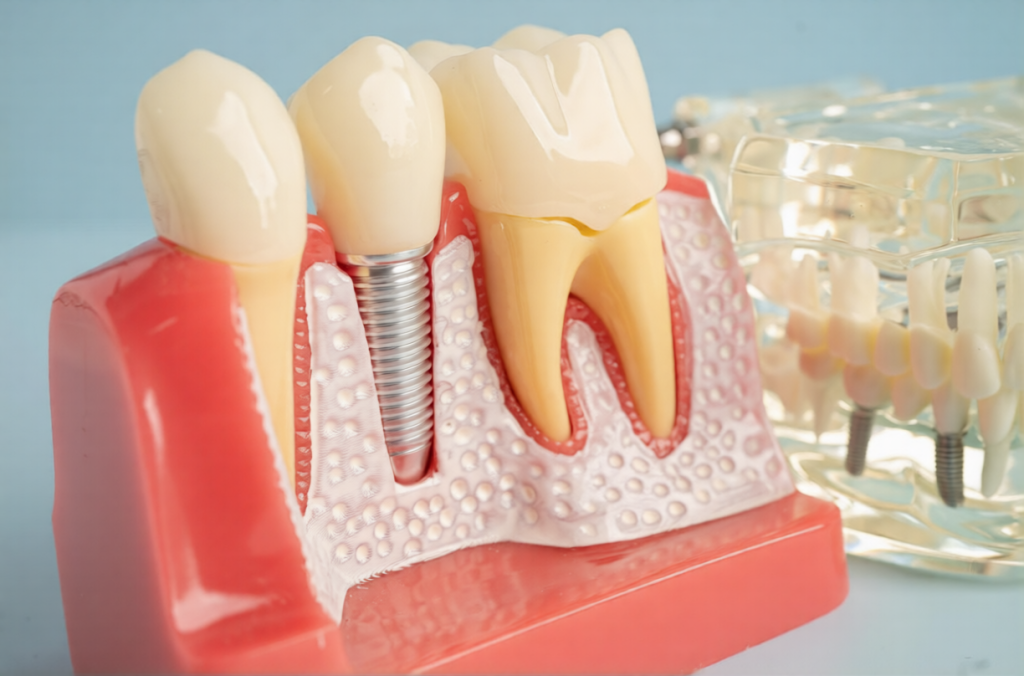




Many patients have questions about crown procedures before their appointment. Understanding what happens at each stage can help you feel more prepared and reduce any concerns you may have.
A dental crown procedure involves placing a custom-fitted cap over a damaged tooth to address function and appearance issues. The process usually takes one to two visits to complete, though some clinics offer same-day options. Steps usually include an initial consultation, tooth preparation, taking impressions or digital scans, and crown placement. The approach can vary depending on individual tooth condition and the type of crown material selected.
In this blog, you’ll learn the steps in a crown procedure to help you understand what to expect. Each stage serves a specific purpose in restoring your tooth’s shape, strength, and function. Your dentist will explain the timeline and details relevant to your specific situation during your consultation.
Contents Navigation
- 1 Summary of the Content
- 2 What Is a Dental Crown and When Might You Need One?
- 3 Step 1: Initial Consultation and Assessment
- 4 Step 2: Tooth Preparation
- 5 Step 3: Taking Impressions or Digital Scans
- 6 Step 4: Temporary Crown Placement
- 7 Step 5: Custom Crown Fabrication at the Dental Laboratory
- 8 Step 6: Final Crown Placement
- 9 Same-Day Crowns: An Alternative Approach
- 10 What to Expect After Your Dental Crown Procedure
- 11 Long-Term Care for Your Dental Crown
- 12 Final Thoughts
Summary of the Content
- A dental crown is a custom-made cap that covers a damaged tooth to address shape, strength, appearance, and function.
- The initial consultation includes examination, X-rays, a discussion of treatment options, and material selection based on the individual tooth condition.
- Tooth preparation reshapes the tooth to create a stable foundation, usually requiring a local anaesthetic for patient comfort.
- Impressions or digital scans capture the exact tooth shape and position for the dental laboratory to create the crown.
- A temporary crown protects the prepared tooth for two to three weeks whilst the custom crown is being fabricated.
- The dental laboratory creates a custom crown that matches the tooth’s shape, size, and colour for a natural appearance.
- Final crown placement involves checking fit, adjusting bite alignment, and securing the crown with strong dental cement.
- Proper daily care and regular dental check-ups help maintain crown function and appearance for many years.
What Is a Dental Crown and When Might You Need One?
A dental crown is a custom-made cap that covers a damaged tooth to address shape, strength, appearance, and function. Crowns may help protect weakened teeth and support your ability to chew more comfortably. Your dentist evaluates each case individually to determine if a crown is the right treatment option.
Dentists may recommend crowns in several common situations:
- Significant Decay:
When a tooth has extensive decay that a filling cannot adequately address, a crown may help support the remaining tooth structure. The crown covers the entire visible portion of the tooth above the gum line. - Cracked or Broken Teeth:
Teeth that are cracked or have large chips may benefit from a crown for added support. The crown holds the tooth together and prevents further damage from occurring during normal biting and chewing. - After Root Canal Treatment:
Over time, a tooth that has undergone root canal treatment may become more fragile. A crown may help support the tooth and reduce the risk of fracture. - Severely Worn Teeth:
Teeth that have experienced significant wear from grinding or acid erosion may need crowns. The crown aims to restore the tooth’s height and protect the remaining enamel from further wear. - Large Fillings:
When a tooth has a very large filling, the remaining tooth structure may be weak. A crown may provide additional support and reduce the risk of the tooth breaking.
Crown materials include porcelain, ceramic, zirconia, metal alloys, and porcelain-fused-to-metal options. Each material has different characteristics in terms of strength, appearance, and durability. Your dentist will discuss which material may be appropriate based on the tooth’s location, your bite, and other factors.
Important: Any surgical or invasive procedure carries risks. Before proceeding, you should seek a second opinion from an appropriately qualified health practitioner.
Step 1: Initial Consultation and Assessment
The first consultation appointment allows your dentist to examine your tooth and discuss whether a crown is appropriate. This visit usually involves a clinical examination and diagnostic imaging to assess the tooth and surrounding structures. You and your dentist will also discuss treatment options, material choices, and what to expect during the process.
What happens during the initial consultation:
- Clinical Examination:
Your dentist examines the affected tooth and surrounding gums to assess the extent of damage or decay. They check for cracks, wear patterns, and the overall condition of the tooth structure. - X-Rays and Imaging:
X-rays help your dentist see beneath the gum line and evaluate the tooth root and surrounding bone. This imaging is important for determining if additional treatment, such as a root canal, may be needed before crown placement. - Discussion of Treatment Options:
Your dentist will explain why a crown may be recommended and discuss alternative options if available. They’ll describe the steps in a crown procedure and answer any questions you have about the process. - Material Selection:
Different crown materials suit different situations based on location, function, and aesthetic preferences. Your dentist will explain the advantages and considerations of porcelain, ceramic, zirconia, and metal crowns, as well as other options for your specific case.
Practical details to help you prepare:
- Typical Duration:
The consultation appointment usually takes 30 to 45 minutes, depending on the complexity of your case. This visit focuses on assessment and planning rather than any dental work. - What to Bring:
Bring a list of any medications you’re currently taking and your health fund information if you have cover. This helps your dentist plan your treatment with any relevant health considerations in mind. - No Discomfort During Consultation:
The consultation involves examination and discussion only, with no drilling or preparation at this stage. You can ask questions about the procedure, timeline, and what to expect at subsequent appointments. - Questions to Consider:
You may wish to ask about the number of visits required, the types of crowns available, and how long the process will take. Cost discussion usually occurs during this consultation so that you understand the investment involved.
Step 2: Tooth Preparation
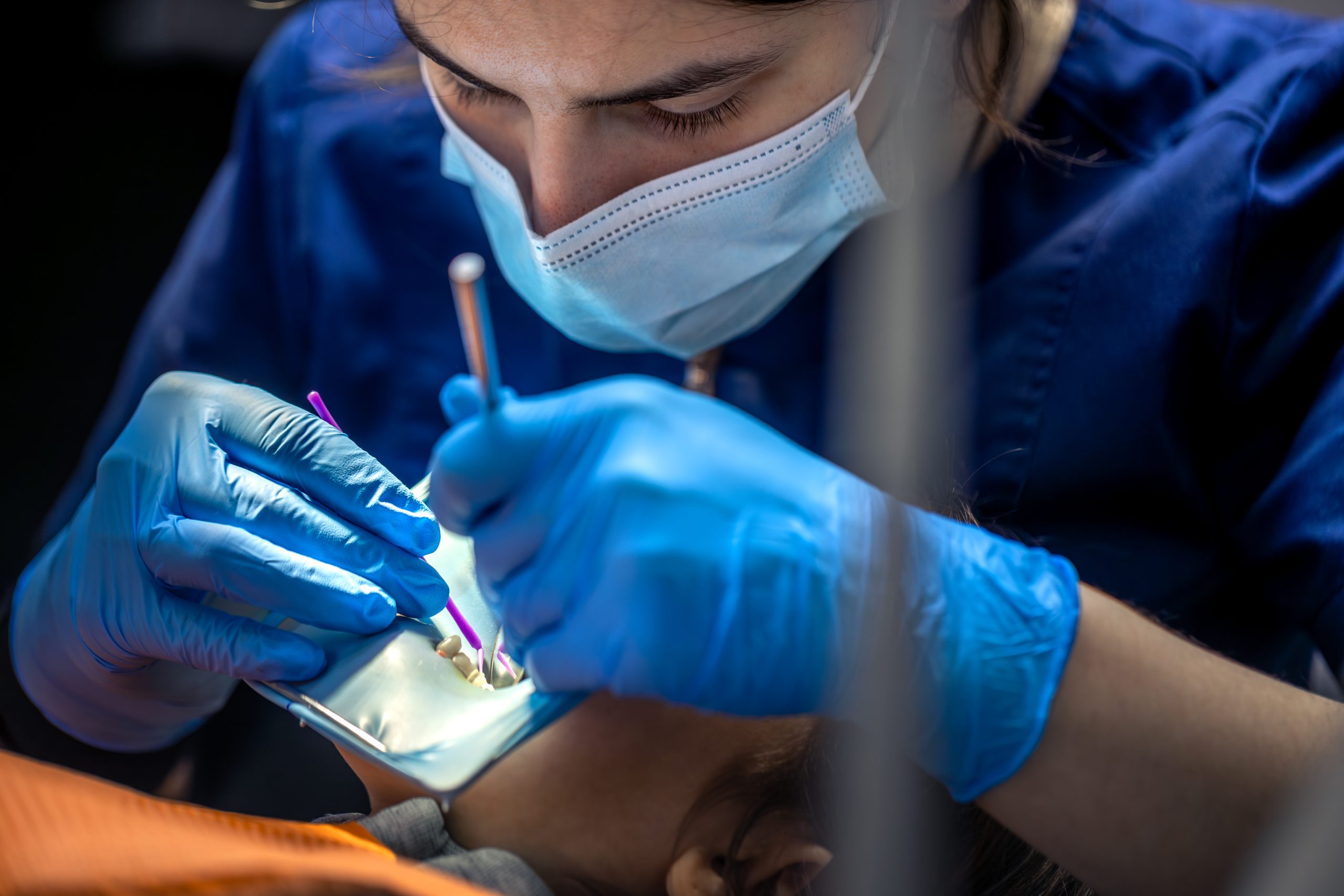
The tooth preparation appointment is when your dentist reshapes the tooth to create a stable foundation for the crown. This step usually takes place during your second visit to the dental clinic. Local anaesthetic is administered to help manage any discomfort during the preparation process.
What happens during tooth preparation:
- Anaesthetic Administration:
Your dentist will numb the area around the tooth to help you feel more comfortable during the procedure. The anaesthetic can help manage discomfort whilst the tooth is being prepared and reshaped. - Addressing Decay or Damage:
Any decay or damaged tooth structure is carefully managed using dental instruments. This creates a clean, healthy foundation for the crown to bond to and function properly. - Tooth Reshaping:
The tooth is reshaped to create space for the crown and provide proper support. Your dentist reshapes the tooth by trimming a small amount of enamel and the outer layer material from all sides. - Building Up the Tooth:
If needed, especially after a root canal procedure or when significant tooth structure is missing, filling material may be used to build up the tooth. This provides adequate support and shape for the crown to fit over securely.
What you might experience during this stage:
- Sensation of Pressure:
Many patients experience pressure and vibration from the dental drill during tooth preparation. The anaesthetic addresses pain, though you may still feel these sensations without discomfort. - Numbness:
The local anaesthetic causes numbness in the treatment area, usually lasting two to four hours after the appointment. This is normal and helps manage any discomfort during and immediately after the procedure. - Sound of Dental Instruments:
You may hear the sound of the drill and other dental instruments during preparation. Some patients find it helpful to use earphones with music to create a more relaxing environment. - Appointment Duration:
The tooth preparation appointment usually takes 45 to 60 minutes, depending on the tooth’s condition and complexity. Your dentist will work carefully to create the appropriate foundation for your crown.
Step 3: Taking Impressions or Digital Scans
After the tooth is prepared, your dentist needs to capture the exact shape and position for the dental lab to fabricate your custom crown. This can be done using traditional impression materials or modern digital scanning technology. Both methods aim to create an accurate model of your prepared tooth and surrounding teeth for proper fit.
How impressions or scans are taken:
- Traditional Impression Materials:
Dental putty is placed in a tray and positioned over your teeth, where it stays in place for two to three minutes while it sets. This creates a detailed mould of your prepared tooth, bite, and adjacent teeth. - Digital Scanning Technology:
An intraoral scanner captures 3D images of your teeth without the need for putty or impression trays. The scanner is moved around your mouth to create a precise digital model of the treatment area. - Purpose of Impressions:
The impression or digital scan provides the dental laboratory with exact specifications for creating your custom crown. This helps the lab technician fabricate a crown designed to fit appropriately and match your natural bite alignment. - Recording Surrounding Teeth:
Impressions are also taken of the opposing teeth and adjacent teeth to help the lab create a crown designed to work with your bite. Proper bite alignment is important for comfort and to prevent issues with your jaw or other teeth. - Same-Day Crown Option:
Some dental clinics offer CAD/CAM technology that allows crowns to be designed and fabricated on-site. This means impressions, crown creation, and placement can occur during a single appointment lasting approximately two to three hours.
What to expect during this process:
- Traditional Impression Comfort:
Some patients may experience a gag reflex when dental putty is placed in their mouth. The material must stay in place for a few minutes, though your dentist will work to make this as comfortable as possible. - Digital Scanning Experience:
Digital scanning is generally more comfortable than traditional impressions and doesn’t trigger the gag reflex. The process is quicker and provides immediate digital results for crown fabrication.
Step 4: Temporary Crown Placement
A temporary crown protects the prepared tooth whilst the final crown is being fabricated at the dental laboratory. This protection is important because the prepared tooth has had its outer enamel layer reduced and may be more sensitive. The temporary crown usually stays in place for two to three weeks until your custom crown is ready.
The temporary crown is made from acrylic or a similar material that’s designed to be easily taken off when your final crown arrives. Your dentist places it over the prepared tooth using temporary cement, which is intentionally less strong than the adhesive used for custom crowns. This allows the temporary crown to be detached without difficulty at your next appointment.
During the temporary crown period, you’ll need to take some care with what you eat and how you clean the area:
- Avoid Very Sticky or Hard Foods:
Sticky foods like caramel or chewy foods can dislodge the temporary crown, whilst very hard foods may crack or damage it. These materials are not as durable as your final crown will be. - Chew on the Opposite Side:
When possible, chew on the opposite side of your mouth to reduce pressure on the temporary crown. This helps prevent it from becoming loose or falling off before your next appointment. - Brush Gently Around the Temporary Crown:
Continue brushing twice daily, but be careful around the temporary crown area. Use a soft-bristled toothbrush and avoid pulling up on the crown when flossing near it. - Contact the Clinic if Issues Arise:
If your temporary crown becomes loose, feels uncomfortable, or comes off completely, contact your dental clinic promptly. They can recement it or make adjustments to improve comfort and function.
Some sensitivity to hot or cold temperatures is common during the temporary crown period. This is normal because the tooth structure has been prepared and is temporarily covered. The sensitivity usually improves once your custom crown is placed with strong dental cement.
Step 5: Custom Crown Fabrication at the Dental Laboratory
Whilst you wait with your temporary crown in place, your custom crown is being created at the dental lab. This process involves skilled technicians who use the impressions or digital scans from your appointment to fabricate a crown specifically designed for your tooth. The lab customises each crown to match your tooth shape, size, and colour as closely as possible.
What happens at the laboratory:
- Crown Fabrication Process:
Dental technicians create your crown using the material your dentist has recommended, whether porcelain, ceramic, zirconia, or metal. The crown is carefully shaped to match the contours of your prepared tooth and bite alignment. - Colour Matching:
The lab matches the crown’s shade to your natural teeth so it blends in with your smile. This is particularly important for front teeth, where appearance matters, though back teeth crowns also aim for a natural look. - Quality Checks:
The laboratory performs multiple quality checks throughout the fabrication process to confirm that the crown meets precise specifications. These checks verify the fit, shape, and appearance before the crown is sent back to your dental clinic.
The typical timeframe for traditional laboratory-made crowns is usually two to three weeks, though this can vary. This time allows for careful fabrication and quality evaluation. During this period, your temporary crown protects the prepared tooth and allows you to continue normal activities with some care regarding food choices.
Step 6: Final Crown Placement
When your custom crown arrives from the dental laboratory, you’ll return to the clinic for the final placement appointment. This visit involves taking off the temporary crown, checking the fit and appearance of your new crown, and securing it in place. Your dentist will make certain the crown fits properly and feels comfortable before cementing it.
What happens during final crown placement:
- Temporary Crown Detachment:
Your dentist carefully takes off the temporary crown and cleans away any remaining temporary cement from the prepared tooth. This creates a clean surface for the custom crown to bond to effectively. - Checking the Crown Fit:
The new crown is placed on the tooth to check how it fits. Your dentist examines the margins where the crown meets the tooth to make certain there are no gaps, and they check the contact points with adjacent teeth. - Bite Adjustment:
You’ll be asked to bite down so your dentist can assess how the crown aligns with your opposing teeth. If the crown feels high or uncomfortable when biting, your dentist may adjust it by carefully reducing small amounts of material. - Colour and Appearance Check:
Your dentist will check that the crown’s shade matches your other teeth appropriately. For front teeth in particular, appearance is an important consideration alongside function and fit. - Cementation:
Once you and your dentist are satisfied with the fit and appearance, the crown is secured using strong dental cement or adhesive. The cement bonds the crown to the prepared tooth structure and hardens to create a durable connection. - Final Instructions:
After the crown is placed, your dentist will provide guidance on what to expect in the first few days. They’ll explain when to contact the clinic if you experience any concerns or if the bite doesn’t feel right.
The final placement appointment generally takes 30 to 60 minutes, depending on how much adjustment is needed. Many people find that their bite usually feels more comfortable within a few days as their mouth adjusts to the new crown.
Same-Day Crowns: An Alternative Approach
Same-day crown technology uses CAD/CAM systems to design and fabricate crowns on-site during a single appointment. Digital scanning captures images of the prepared tooth, and special software designs the crown based on those images. The crown is then milled from a ceramic or porcelain block using an on-site milling machine, usually taking two to three hours total.
Key differences between traditional and same-day approaches:
- Number of Appointments:
Traditional crown procedures generally involve at least two visits to the dental clinic, with a temporary crown placed between visits. Same-day crowns require just one longer appointment where all steps occur consecutively. - Temporary Crown Need:
With the traditional approach, you’ll wear a temporary crown for two to three weeks while the lab fabricates your custom crown. Same-day crowns eliminate the need for a temporary crown because the final crown is placed at the same appointment. - Material Options:
Traditional lab-fabricated crowns offer a broader range of materials, including porcelain, zirconia, metal, gold, and porcelain-fused-to-metal. Same-day crown materials are usually limited to ceramic and porcelain options available for on-site milling. - Fabrication Location:
Traditional crowns are created at an external dental laboratory by trained technicians. Same-day crowns are designed and fabricated entirely within the dental clinic using digital technology. - Time Investment:
Traditional crowns require two separate appointments scheduled weeks apart, though each appointment is relatively shorter. Same-day crowns involve a single extended appointment but eliminate the wait time and an additional visit.
Your dentist will determine which approach is clinically appropriate based on your individual tooth condition, the tooth’s location in your mouth, and material requirements. Both methods can provide functional and aesthetic results when proper care is followed. The choice depends on clinical factors, with each method offering different advantages.
What to Expect After Your Dental Crown Procedure
After your crown is placed, there’s an adjustment period as your mouth adapts to the new restoration. Understanding what’s normal in the first few days can help you know when everything is progressing as expected. Many people find that any initial sensations improve within the first week.
Immediate post-procedure sensations (first 24 to 48 hours):
- Numbness Wearing Off:
The anaesthetic usually wears off within two to four hours after your appointment. During this time, be careful not to bite your cheek or tongue whilst the area is still numb. - Temperature Sensitivity:
Some patients experience mild sensitivity to hot or cold in the first few days after crown placement. This is common and usually improves as the tooth adjusts to the crown and the dental cement fully sets. - Different Sensation:
The crown may feel slightly different from your natural teeth initially as your mouth adjusts to its presence. Your tongue may notice the crown more at first, though this awareness usually fades within a few days. - Bite Adjustment Period:
The bite usually feels normal within a few days as you adapt to the crown. If the bite continues to feel high or uncomfortable after this initial period, contact your dentist for an adjustment.
Guidance for the first 24 to 48 hours after placement:
- Wait Until Numbness Subsides:
Avoid eating until the anaesthetic has worn off to prevent accidentally biting your cheek or tongue. You can drink cool water during this time if needed. - Start With Soft Foods:
If preferred, stick to soft foods for the first day or two whilst you adjust to the crown. This can help you feel more comfortable as you adapt to biting and chewing with the new restoration. - Be Cautious With Certain Foods:
Avoid very sticky or extremely hard foods in the first few days to allow the dental cement to fully set. Chewy foods and hard foods may dislodge a new crown if eaten too soon after placement. - Continue Normal Oral Hygiene:
Brush twice daily and floss once daily, being careful around the new crown at first. Proper care of the crown and surrounding gums helps maintain the health of the underlying tooth.
Signs that may require dental review:
- Severe Pain:
Whilst some mild sensitivity is normal, severe pain that doesn’t improve after the first few days should be reviewed. Contact your dentist if pain interferes with eating or sleeping. - High Bite:
If the crown feels high when you bite down, and this sensation persists beyond the first few days, your dentist may need to adjust it. A properly fitted crown should feel comfortable when biting and chewing. - Loose Crown:
A crown that feels loose or moves when you touch it with your tongue needs prompt attention. Contact your dental clinic if you notice any movement or if the crown feels like it might come off. - Persistent Sensitivity:
Sensitivity that continues beyond the first week or becomes worse over time may indicate an issue. Your dentist can examine the crown and tooth to determine if an adjustment or additional treatment is needed. - Swelling or Signs of Infection:
Any swelling around the gum line, persistent bad taste, or signs of infection should be reviewed promptly. These symptoms are uncommon but require professional assessment if they occur.
Long-Term Care for Your Dental Crown
Your dental crown requires the same daily care as your natural teeth to maintain its function and appearance over time. Whilst the crown itself cannot develop decay, the underlying tooth structure and surrounding gum tissue still need attention. Regular brushing twice daily and flossing once daily help prevent problems at the margin where the crown meets the tooth.
Crown longevity varies significantly between individuals. Some crowns may function for 10 to 15 years or longer with proper care and regular dental monitoring, whilst others may need replacement sooner depending on individual factors. Your dentist can discuss expected longevity for your specific situation.
Factors that affect crown durability:
- Oral Hygiene Habits:
Consistent brushing and flossing help maintain healthy gums around the crown and protect the underlying tooth. Poor oral hygiene can lead to decay at the crown margin or gum disease affecting the supporting structures. - Dietary Choices:
Your eating habits can affect how long a crown lasts. Hard foods, ice chewing, and using teeth as tools can damage or crack crowns over time. - Teeth Grinding:
Grinding or clenching teeth, especially during sleep, puts extra pressure on crowns and can cause them to chip or wear. A nightguard can help protect crowns if you grind your teeth. - Regular Dental Check-ups:
Attending regular dental appointments allows your dentist to monitor the crown’s condition and address any issues early. Professional cleaning also helps maintain gum health around the crown.
Habits to be mindful of:
- Avoid Chewing Very Hard Objects:
Don’t chew on ice, hard lollies, or other extremely hard items that could crack or chip the crown. Crowns are durable but not indestructible, particularly at their edges. - Don’t Use Teeth as Tools:
Opening packages or tearing materials with your teeth can damage crowns and natural teeth alike. Use appropriate tools instead to avoid placing unnecessary stress on your dental work. - Consider a Nightguard:
If you grind your teeth during sleep, talk to your dentist about a custom nightguard. This protective device can significantly reduce wear on crowns and natural teeth from grinding forces. - Be Cautious With Sticky Foods:
Very sticky foods can potentially pull on crowns, especially around the margins. Whilst properly cemented crowns should remain secure, being mindful of extremely sticky items helps reduce this risk.
Signs a crown may need attention:
- Visible Wear or Chips:
If you notice chips, cracks, or excessive wear on the crown’s surface, have it examined. Small issues can often be addressed before they become larger problems. - Crown Feels Loose:
Any sensation that the crown is loose or mobile needs prompt attention. A loose crown should be evaluated and re-cemented if necessary to protect the underlying tooth. - Gum Recession Around the Crown:
If gums recede, you may notice a line where the crown meets the tooth, or in some cases, a metallic colour if the crown has a metal base. Gum recession can affect appearance and may indicate gum health concerns. - Persistent Sensitivity:
Ongoing sensitivity that develops after the initial adjustment period may indicate decay beneath the crown or other issues. Your dentist can examine the area and determine if treatment is needed.
Final Thoughts
Crown procedures are commonly performed dental treatments that can help address damaged, decayed, or weakened teeth. Like all dental procedures, they carry some risks which your dentist will discuss with you during the consultation. The process usually involves an initial assessment, tooth preparation, impression or digital scan, and final crown placement.
Understanding the steps in a crown procedure can help you feel more prepared and may reduce any concerns about the process. Each stage serves a specific purpose in creating a restoration that fits your tooth properly and functions well. With proper care and regular dental check-ups, crowns can address tooth function and appearance for many years.
Any surgical or invasive procedure carries risks, and before proceeding, you may seek a second opinion from an appropriately qualified health practitioner. If you have questions about crown procedures, contact My Dentist Blackwood to arrange a consultation. Your dentist can discuss your individual situation and treatment options during your appointment.
About Our Dentists
This content has been prepared by registered dental practitioners at My Dentist Blackwood:
Dr Tina Le
AHPRA Registration: DEN0001411332
General Dentist
Dr Diana Castrillon
AHPRA Registration: DEN0002170625
General Dentist
Dr Emma Chin
AHPRA Registration: DEN0002134625
General Dentist
Dr Liesl Collins
AHPRA Registration: DEN0001659430
General Dentist


 General Dentistry
 Cosmetic Dentistry
 Restorative Dentistry
 Dental Implants
 Clear Aligners
 Emergency Dentist
 Childrens Dentist