
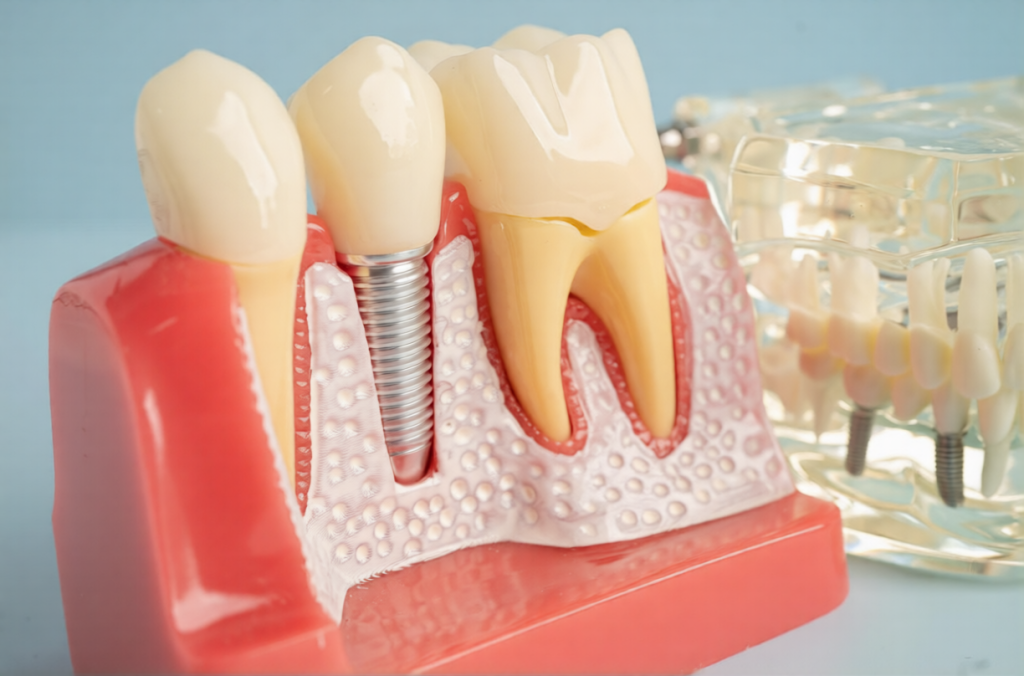




Dental implants have high success rates, with research showing 90-95% of implants integrating successfully with the jawbone. However, complications can occur, and early detection of dental implant failure is critical for proper intervention. Most implant problems may be manageable when caught early, which is why understanding the warning signs is so important.
Dental implant failure symptoms can occur early, within the first few months after placement, or late, developing years after the implant has been functioning normally. This guide helps patients recognise warning signs and understand the next steps if concerns arise. Knowledge empowers patients to seek timely professional care, which can significantly improve treatment outcomes.
It’s important to remember that symptoms and outcomes vary between individuals. Not every symptom indicates failure, and not all dental implant complications follow the same pattern. If you notice any concerning changes around your implant, contact your dentist for professional evaluation rather than attempting self-diagnosis. Early professional consultation often provides more treatment options and better outcomes for addressing implant concerns.
Contents Navigation
- 1 Summary of the Content
- 2 What Qualifies as Dental Implant Failure?
- 3 Early Warning Signs Your Dental Implant May Be Failing
- 4 What Causes Dental Implants to Fail?
- 5 When Should You Contact Your Dentist?
- 6 Immediate Attention Required If You Experience:
- 7 How Dentists Diagnose Dental Implant Problems
- 8 What Happens Next: Treatment Options for Failing Dental Implants
- 9 Protecting Your Dental Implant Investment
- 10 Final Thoughts
Summary of the Content
- Dental implant failure involves loss of connection between the implant and jawbone, occurring in approximately 5-10% of cases, with outcomes varying between individuals.
- Early warning signs include persistent pain, swelling, implant mobility, and difficulty chewing that may indicate dental implant complications requiring professional evaluation.
- Common causes include peri-implantitis, poor oral hygiene, smoking, medical conditions, and excessive forces on the implant affecting osseointegration failure.
- Treatment options range from professional cleaning and antimicrobial therapy to surgical intervention or implant removal and replacement, depending on severity and individual circumstances.
- Prevention through good oral hygiene, regular dental visits, and healthy lifestyle choices can help reduce the risk of dental implant failure symptoms developing.
- Prompt professional evaluation is essential if any concerning symptoms develop around your dental implant, as early intervention may provide more treatment options.
What Qualifies as Dental Implant Failure?
Dental implant failure refers to the loss of connection or integration between the implant post and the surrounding jawbone. This breakdown in osseointegration can occur during two main timeframes, each with distinct characteristics and causes.
Early failure typically occurs within the first few months after surgery, often during the initial healing period. This type of failure usually relates to osseointegration problems, where the implant does not successfully bond with the jawbone. Late failure, in contrast, develops months or years after the implant has been successfully integrated and functioning normally. Late failure typically involves infection or mechanical issues that develop over time.
Research indicates that approximately 10% of dental implants may experience complications or failure. However, failure does not always mean complete implant loss. Many cases can be addressed with prompt intervention, and implants can often be preserved when problems are identified early. The role of osseointegration in implant success cannot be overstated. This biological process, where bone cells grow onto and around the titanium implant surface, provides the foundation for implant stability and function.
Understanding the difference between minor complications and actual failure is important. Minor issues are common during the healing process and do not indicate failure. These may include temporary discomfort, slight inflammation that improves with proper care, or minor adjustments to the restoration. True failure involves persistent problems that compromise the implant’s stability or function. This is why early detection matters—recognising concerning symptoms early often provides more treatment options and better outcomes.
Early Warning Signs Your Dental Implant May Be Failing
Recognising dental implant failure symptoms early can make the difference between preserving and losing an implant. Not all discomfort indicates failure, as some symptoms are normal during the healing process. However, knowing when to differentiate between normal recovery and concerning signs is essential. If you notice any symptoms that worry you, contact your dentist promptly for evaluation.
Persistent or Worsening Pain
Normal healing pain differs significantly from pain that indicates failure. Healing pain typically lasts only a few days following the procedure and is manageable with prescribed medication. This discomfort gradually decreases as the surgical site heals.
Failure pain, however, presents differently. It may be sharp or throbbing and tends to worsen over time rather than improve. The pain might radiate to surrounding teeth or the jaw, creating discomfort beyond the immediate implant site. Pain that occurs long after the initial healing period has completed is particularly concerning. If you experience pain that intensifies rather than subsides, or if pain develops after months or years of normal function, professional evaluation is needed.
Swelling and Inflammation Around the Implant
Some swelling is normal immediately after implant surgery, typically lasting three to five days. This is part of the body’s natural healing response and should gradually decrease.
Concerning signs include swelling that persists beyond the initial healing period or swelling that develops weeks or months after placement. Redness, inflammation, or bleeding around the implant site that does not go away with proper oral hygiene may indicate infection or peri-implantitis developing. The gum tissue surrounding a healthy implant should appear pink and firm, not red, puffy, or tender to the touch.
Mobility or Looseness of the Implant
Dental implants should feel stable and secure, similar to natural teeth. Any movement or wobbling sensation is a significant warning sign that should not be ignored.
Movement when chewing, talking, or slightly touching the implant indicates a problem with osseointegration or bone loss. If the crown or abutment feels loose or unstable, this may signal osseointegration failure or deterioration of the supporting bone. A properly integrated implant should have no detectable movement.
Difficulty Chewing or Biting
Implants are designed to restore full chewing function, allowing you to eat comfortably without pain or hesitation. Discomfort or pain when biting down signals potential problems with the implant or surrounding structures.
Changes in your bite or how pressure is distributed when chewing can indicate implant complications. Difficulty with foods that were previously easy to eat may indicate problems developing. Having to avoid certain foods due to discomfort around the implant suggests issues that require professional assessment. These symptoms may indicate bone loss around the implant or problems with the implant’s alignment or stability.
Gum Recession Around the Implant
Gum tissue pulling away from the implant is a concerning sign that should prompt immediate dental evaluation. Exposure of the metal implant post or threads, which should normally be covered by gum tissue, indicates gum recession.
This recession may signal bone deterioration underneath the gum tissue. Gum recession can result from poor oral hygiene, infection, or other factors affecting the tissues around the implant. Gaps forming between the implant and surrounding gum tissue create spaces where bacteria can accumulate, potentially worsening the condition.
Bad Taste, Odour, or Discharge
A persistent bad taste in your mouth, particularly a metallic or sour flavour, can indicate infection around the implant. Foul odour emanating from the implant site or pus and discharge around the implant are clear signs of bacterial infection or peri-implantitis.
These symptoms should not be ignored, even if pain is not present. Infection can progress and cause significant damage to the bone and tissues supporting the implant, even when initially painless. Early treatment of infection improves the chances of restoring the implant and preventing further complications.
Visible Changes or Discolouration
Changes in the appearance of gum tissue near the implant can signal underlying problems. A grey or blue tint in the gum tissue surrounding the implant may indicate metal showing through thin tissue or inflammation beneath the surface.
Gums appearing darker than their natural colour, visible calculus or plaque buildup around the implant site, or other changes in tissue appearance warrant professional evaluation. These visible changes may indicate inflammation or infection developing beneath the surface, even before other symptoms become apparent.
What Causes Dental Implants to Fail?

Understanding the risk factors for dental implant complications helps patients make informed choices about their oral health and take preventive measures. Many causes of implant failure are preventable with appropriate care and maintenance. Some factors relate to patient health and habits, while others involve the surgical procedure or subsequent care.
Peri-Implantitis: The Leading Cause of Implant Failure
Peri-implantitis is an inflammatory infection affecting the soft tissues and bone surrounding a dental implant. Similar to gum disease affecting natural teeth, peri-implantitis affects implants instead. This condition causes soft tissue inflammation and progressive bone loss around the implant.
Bacterial plaque accumulation is the primary trigger for peri-implantitis. Unlike early-stage gum inflammation, peri-implantitis can develop years after successful implant placement, affecting previously healthy and stable implants. The condition requires professional treatment and cannot be addressed on its own without intervention.
Prevention of peri-implantitis centres on maintaining thorough oral hygiene and attending regular check-ups with your dental team. Professional cleanings and monitoring can detect early signs of inflammation before significant bone loss occurs. Once established, peri-implantitis requires active treatment to prevent further progression and potential implant loss.
Poor Osseointegration
Osseointegration failure occurs when the implant does not properly fuse with the surrounding jawbone. This problem usually occurs in the early stages, typically within the first few months after implant placement.
Several factors can contribute to osseointegration failure. Insufficient bone quality or density at the implant site can prevent successful integration. Issues with surgical technique or implant placement can affect the ability of bone to grow around the implant. Premature loading of the implant—placing the crown or applying chewing forces before healing is complete—can disrupt the integration process.
Certain medical conditions affecting bone healing can also impact osseointegration. Patients with conditions that impair bone metabolism or healing may face higher risks of integration failure. This highlights the importance of disclosing a complete medical history to your dentist before implant placement.
Inadequate Oral Hygiene
Plaque buildup around implants leads to bacterial infection and inflammation, just as it does around natural teeth. However, cleaning around implants can be more challenging than cleaning natural teeth, requiring specific techniques and tools for effective plaque removal.
Neglected oral hygiene creates conditions that can lead to peri-implantitis and implant failure. Daily brushing and flossing are essential for maintaining implant health and longevity. While professional cleanings are important, they cannot substitute for consistent, thorough home care. Patients must commit to maintaining good daily oral hygiene to support long-term implant success.
Smoking and Tobacco Use
Smoking significantly increases the risk of dental implant complications and failure. Tobacco use impairs blood flow to the gums and bone, which slows the healing process and interferes with osseointegration.
Nicotine and other chemicals in tobacco products reduce the blood supply to oral tissues, compromising the body’s ability to fight infection. Smokers experience higher rates of peri-implantitis compared to non-smokers. Quitting smoking improves implant success rates dramatically, both during the initial healing period and in long-term implant maintenance.
Medical Conditions and Medications
Several medical conditions can affect implant success rates. Uncontrolled diabetes affects healing processes and increases infection risk, potentially compromising implant integration. Osteoporosis impacts bone density and strength, which can affect the bone’s ability to support an implant.
Autoimmune disorders may affect the body’s response to the implant and the integration process. Certain medications also influence implant success. Bisphosphonates, medications used to manage osteoporosis, can affect jawbone healing. Immunosuppressant medications, taken after organ transplants or for autoimmune conditions, can impact healing and infection resistance.
Cancer treatments, including radiation therapy to the head and neck and chemotherapy, can affect bone quality and healing capacity. The importance of disclosing your complete medical history to your dentist cannot be overstated, as this information allows for appropriate treatment planning and preventive measures.
Bruxism (Teeth Grinding)
Excessive force from teeth grinding damages implants over time through constant pressure and stress on the implant and the surrounding bone. Bruxism is particularly problematic during sleep when grinding occurs unconsciously and with significant force.
Chronic grinding can loosen the implant or damage the crown attached to it. Night guards may be recommended to protect implants from grinding forces. Some patients may require bite adjustment to distribute forces more evenly across teeth and implants, reducing stress on individual implants.
Insufficient Bone Volume
Inadequate bone volume to support an implant can compromise long-term stability. Some patients may require bone grafting before implant placement to build adequate bone support. Natural bone loss occurs after tooth extraction, which is why timely implant placement following extraction can be beneficial.
Advanced imaging helps assess bone adequacy before implant placement, allowing dentists to determine if additional procedures are needed. When bone volume is insufficient, attempting implant placement without grafting increases the risk of failure.
Implant Overload or Improper Forces
Applying too much pressure on a healing implant can disrupt the osseointegration process. Premature placement of the final restoration before healing is complete creates forces that interfere with bone integration. Using an inadequate number of implants for the type of restoration being supported can overload individual implants.
Bite alignment issues can create uneven forces on implants, concentrating stress on certain implants while others bear less load. Following your dentist’s timeline recommendations for the healing period and restoration placement is important for implant success. This allows proper osseointegration to occur before the implant is placed under functional load.
When Should You Contact Your Dentist?
Contact your dentist if symptoms persist rather than waiting to see if they heal independently—early intervention improves treatment success rates. Many failing implants can be preserved with prompt professional care, but delayed treatment often results in fewer treatment options. Being cautious and seeking evaluation for concerning symptoms is always better than waiting until problems worsen.
Immediate Attention Required If You Experience:
Contact your dentist promptly if you experience severe pain that worsens over time rather than improving. Significant swelling or facial swelling extending beyond the immediate implant area requires urgent evaluation. Fever or signs of systemic infection, such as feeling generally unwell or experiencing chills, indicate the infection may be spreading.
An implant that feels very loose or mobile needs prompt professional assessment. Heavy bleeding or continuous discharge from the implant site is not normal and requires prompt attention. Difficulty opening your mouth or swallowing may indicate significant swelling or infection. Any trauma or impact to the implant area from injury or accident should be evaluated right away, even if no immediate symptoms are apparent.
Schedule an Appointment Soon If You Notice:
Persistent mild pain around the implant that does not subside over several days requires professional evaluation. Gum inflammation or redness that continues despite good oral hygiene should be assessed. Bleeding when brushing or flossing around the implant area, particularly if it occurs consistently, may indicate early inflammation.
A bad taste or odour that does not improve with brushing and rinsing can signal a developing infection. Slight movement of the crown or any looseness should be checked professionally. Gum recession exposing the metal portions of the implant indicates tissue loss that should be evaluated. Difficulty chewing on the implant side or discomfort when using the implant suggests problems that need assessment.
What to Expect at Your Evaluation
When you visit for an implant evaluation, your dentist will conduct a thorough visual examination of the implant and surrounding tissue. Careful probing checks for pockets around the implant and bleeding on probing, which can indicate inflammation or infection.
Assessment of implant stability involves checking for any movement or looseness. X-rays evaluate the bone levels around the implant and can reveal bone loss not visible during clinical examination. Your dentist will discuss your symptoms, their duration, and any changes you have noticed. A review of your oral hygiene practices helps identify areas for improvement.
Based on these findings, your dentist will provide a diagnosis and develop a treatment plan tailored to your specific situation. Early detection often provides more treatment options and better outcomes.
How Dentists Diagnose Dental Implant Problems
Accurate diagnosis is essential for determining the most appropriate treatment approach. Professional assessment combines clinical examination with diagnostic imaging to evaluate implant health comprehensively. The information gathered during diagnosis determines the severity of any problems and guides treatment decisions.
Clinical Examination
The clinical examination begins with visual inspection of the implant site and surrounding tissue. Your dentist examines the gum tissue for signs of inflammation, recession, or colour changes. Palpation assesses swelling, tenderness, and tissue quality around the implant.
Probing depth measurements around the implant detect pockets that may have formed between the implant and the surrounding tissue. Increased pocket depth can indicate bone loss or soft tissue detachment. Checking for bleeding on probing helps identify inflammation, as healthy tissue around implants should not bleed during examination.
Assessment for suppuration—the presence of pus—indicates active infection requiring treatment. Evaluation of the attached gum tissue quality examines whether adequate protective tissue surrounds the implant. Testing implant stability and mobility provides crucial information about osseointegration status and bone support.
Radiographic Evaluation
Periapical X-rays show bone levels around the implant and can reveal bone loss that has occurred since implant placement. Comparing current radiographs with previous images helps track changes in bone levels over time, identifying progressive bone loss.
Cone beam computed tomography provides three-dimensional assessment when needed, offering detailed views of bone quality, quantity, and implant position. This advanced imaging can detect problems not visible on standard X-rays. Radiographic evaluation also assesses implant position and angulation, identifying structural issues that may contribute to complications.
Differential Diagnosis
Dental implant failure symptoms can sometimes resemble other oral health issues, making differential diagnosis important. Your dentist distinguishes between different causes of symptoms to provide appropriate treatment.
Determining whether symptoms stem from peri-implantitis, mechanical complications, infection, trauma, or overload requires careful evaluation of all clinical and radiographic findings. Distinguishing between crown or restoration issues versus actual implant problems is important, as these require different treatment approaches.
Assessment determines if the implant is salvageable with appropriate intervention or if removal and potential replacement are necessary. Identifying all contributing factors, from oral hygiene habits to systemic health conditions, allows for comprehensive treatment planning.
What Happens Next: Treatment Options for Failing Dental Implants
Treatment approaches depend on the cause, severity, and timing of the implant failure. Many implants can be preserved with appropriate intervention when problems are caught early. Some cases require implant removal and potential replacement. Early-stage problems are generally more successfully addressed than advanced failure with significant bone loss.
Non-Surgical Treatment for Early-Stage Problems
Professional Cleaning and Debridement
Mechanical removal of plaque and calculus from the implant surface is often the first line of treatment for early-stage peri-implantitis. Particular tools designed specifically for implant surface cleaning are used during this procedure.
Ultrasonic scalers with non-metal tips can effectively remove deposits without damaging the titanium implant surface. This approach is often the first-line treatment for peri-implantitis when bone loss is minimal. Professional cleaning removes bacterial deposits that cannot be adequately addressed with home care alone.
Antimicrobial Therapy
Antiseptic rinses, such as chlorhexidine, are commonly prescribed to reduce bacterial load around the implant. Local antibiotic delivery involves placing antimicrobial medication directly around the implant site for targeted treatment.
Systemic antibiotics may be prescribed for active infection, typically taken for a treatment course of three to four weeks. Antimicrobial therapy is usually combined with mechanical cleaning for more comprehensive treatment. These medications help reduce the bacterial population, supporting tissue healing and reducing inflammation.
Improved Home Care Protocols
Education on proper implant hygiene techniques is a critical component of treatment. Your dental team will demonstrate customised brushes designed for cleaning around implants and show you effective flossing methods specific to implant care.
Water flossers may be recommended to help clean areas that are difficult to reach with traditional floss. Regular professional monitoring following treatment supports that home care improvements are effective and that inflammation is decreasing. Commitment to improved daily oral hygiene is essential for treatment success and preventing recurrence.
Surgical Treatment for Advanced Peri-Implantitis
Access Flap Surgery
When non-surgical treatment is insufficient, surgical access may be necessary. During this procedure, gum tissue is carefully raised to provide direct visualisation and access to the implant surface and surrounding bone.
This approach allows for thorough cleaning of the implant surface and removal of diseased tissue. The implant surface undergoes decontamination procedures to eliminate bacteria and infected material. Bone recontouring may be performed if needed to create a more maintainable environment around the implant.
Regenerative Procedures
Bone grafting aims to rebuild bone that has been lost due to peri-implantitis or other factors. Guided bone regeneration techniques use barrier membranes and bone graft materials to encourage new bone formation.
Bone graft materials are placed around the implant to support new bone growth. Membranes protect the healing area and guide bone regeneration in the desired location. These procedures may help patients regain some of the lost bone support around the implant. However, success depends on various factors, including the characteristics of the bone defect and the patient’s overall health and healing capacity.
Resective Surgery
Resective surgery involves the removal of bony irregularities around the implant to create a more easily maintainable environment. Flattening bone defects reduces pocket depth and makes the area more accessible for cleaning.
Smoothing exposed implant threads through implantoplasty may be performed to create surfaces that accumulate less plaque. This approach creates an environment that is easier for patients to keep clean with daily oral hygiene. However, resective surgery may change the appearance of the implant crown, as changes to bone contours can affect gum tissue levels.
Implant Removal and Replacement
When Removal Becomes Necessary
In some cases, implant removal and replacement become the most appropriate option. Severe bone loss compromising the implant’s stability may make keeping the implant impossible. A chronic infection that does not respond to conservative or surgical treatment may require implant removal to allow the area to heal.
A fractured implant post cannot be replaced and must be removed. Complete loss of integration, where the implant has detached from the bone, necessitates removal. When patient comfort and function cannot be restored despite treatment attempts, implant removal and replacement may be necessary. This allows the area to heal properly and enables potential future implant placement.
The Removal Process
Implant removal is usually performed under local anaesthesia, offering patient comfort during the procedure. The implant is carefully extracted in a way that preserves as much bone as possible for potential future implant placement.
Following removal, the area is thoroughly cleaned and decontaminated to eliminate any remaining infection. Assessment of the remaining bone quality and quantity helps determine the timeline and approach for potential replacement. A healing period is typically required before considering new implant placement.
Replacement Timeline
When bone loss has occurred, bone grafting may be needed before placing a new implant. This procedure rebuilds the bone volume and quality necessary to support an implant. Healing typically takes three to six months before a new implant can be placed, allowing the grafted bone to mature and integrate.
New implant placement incorporates current approaches and lessons learned from the previous failure to improve success rates. Dentists use information about what contributed to the first implant’s failure to modify the treatment approach for better outcomes. Second implants placed after appropriate healing and any necessary grafting generally have high success rates when contributing factors have been addressed.
Alternative Tooth Replacement Options
If implant replacement is not suitable or desired, alternative options are available. Dental bridges can replace missing teeth by using adjacent teeth for support. Removable partial dentures offer another option for tooth replacement. Fixed partial dentures provide a non-removable restoration supported by natural teeth.
Discussion of the advantages and limitations of each option helps patients make informed choices. Patient preference and the condition of remaining bone and teeth factor into determining the most suitable approach for each situation.
Protecting Your Dental Implant Investment
Prevention is always preferable to addressing implant problems. Most implant failures are preventable with appropriate care and maintenance. Long-term success requires ongoing commitment to proper care practices. Proper maintenance can help extend implant lifespan and support continued function for many years.
Essential Daily Oral Hygiene for Implants
Brush your implants at least twice daily using a soft-bristle toothbrush. Use gentle circular motions around the implant to clean all accessible surfaces thoroughly. Floss daily using the appropriate technique for implants to clean beneath the gum line, where bacteria accumulate.
Consider using interdental brushes for hard-to-reach areas around implants, particularly between implants or between implants and natural teeth. Water flossers can supplement brushing and flossing, providing additional cleaning in hard-to-reach areas.
Antimicrobial mouthwash may be recommended by your dentist to help control bacterial growth. Clean all surfaces of the implant crown, including the back surfaces and areas where the crown meets the gum tissue.
Professional Maintenance and Check-ups
Regular dental visits are essential for implant health, typically every six months for most patients. However, some individuals at higher risk for complications may need more frequent visits. Your dentist will recommend an appropriate schedule based on your individual needs.
Professional cleaning removes calculus and deposits that home care cannot eliminate, even with good daily hygiene. Early detection of problems before they progress is a key benefit of regular professional monitoring. X-rays taken during routine visits monitor bone levels around implants, identifying any changes that may indicate developing problems.
Adjustments to home care techniques can be made based on a professional assessment of your cleaning effectiveness. Bite evaluation and adjustment, if necessary, help forces on implants remain appropriate and evenly distributed.
Lifestyle Factors That Affect Implant Success
Quit Smoking and Tobacco Use
Quitting smoking is the single most important modifiable risk factor for improving implant success rates. Patients who quit smoking experience improved implant success rates compared to those who continue tobacco use.
Cessation supports better healing and healthier tissue around implants. Resources are available to help you quit, including counselling, medications, and support programmes. Discuss smoking cessation with your dentist or doctor for guidance and support.
Manage Systemic Health Conditions
Control diabetes through proper management of blood sugar levels, working closely with your doctor. Maintaining bone health through adequate calcium and vitamin D intake supports the bone that surrounds and supports your implants.
Discuss with your doctor any medications you take that might affect bone health or healing. Regular medical check-ups help chronic health conditions remain well-controlled. Inform your dentist of any changes in your health status or medications, as these can affect implant health and maintenance needs.
Protect Against Teeth Grinding
A custom night guard can protect implants if you grind your teeth, absorbing and distributing forces that would otherwise stress the implant. Wearing the night guard consistently as directed provides protection during sleep when grinding occurs unconsciously.
Night guards may help prevent mechanical complications from excessive forces on implants. They reduce stress on both the implant crown and the implant itself, potentially extending the lifespan of your restoration.
Maintain a Nutritious Diet
Adequate calcium and vitamin D support bone health, which is essential for maintaining the bone around your implants. Vitamin C supports gum tissue health and healing capacity. A balanced diet supports immune function, helping your body resist infection.
Staying hydrated supports overall oral health and saliva production, which helps protect against bacteria. Limiting sugary foods reduces the fuel available for bacteria that can contribute to inflammation and infection around implants.
Warning Signs to Monitor Long-Term
Regular self-examination of the implant area helps you notice changes early. Be aware of any changes in gum appearance, such as redness, swelling, or recession. Notice any bleeding during cleaning, which should not occur with healthy tissue around stable implants.
Monitor for any discomfort or sensitivity developing around the implant. Do not ignore minor changes, as early problems are easier to address than advanced complications. Report concerns promptly to your dentist rather than waiting to see if symptoms improve on their own.
Final Thoughts
Dental implants have proven to be a reliable option for tooth replacement, but they require ongoing care and attention. Early recognition of dental implant failure symptoms can help restore failing implants and preserve your oral health. The most common cause of implant problems, peri-implantitis, is preventable through proper oral hygiene and regular professional care.
Professional evaluation is essential if you notice any concerning symptoms around your dental implant. Treatment options range from conservative approaches like professional cleaning to more involved surgical intervention or implant removal and replacement when necessary. Prevention through good hygiene practices and regular check-ups offers the most opportunity for long-term implant success.
Your dental team at My Dentist Blackwood is a partner in maintaining your implant health for years to come. Knowledge about implant care and potential problems empowers you to maintain your investment in your smile. Do not hesitate to contact us with concerns—early intervention provides more treatment options and better outcomes. Your oral health affects your overall wellbeing, and we are here to support your implant health at every stage.


 General Dentistry
 Cosmetic Dentistry
 Restorative Dentistry
 Dental Implants
 Clear Aligners
 Emergency Dentist
 Childrens Dentist