
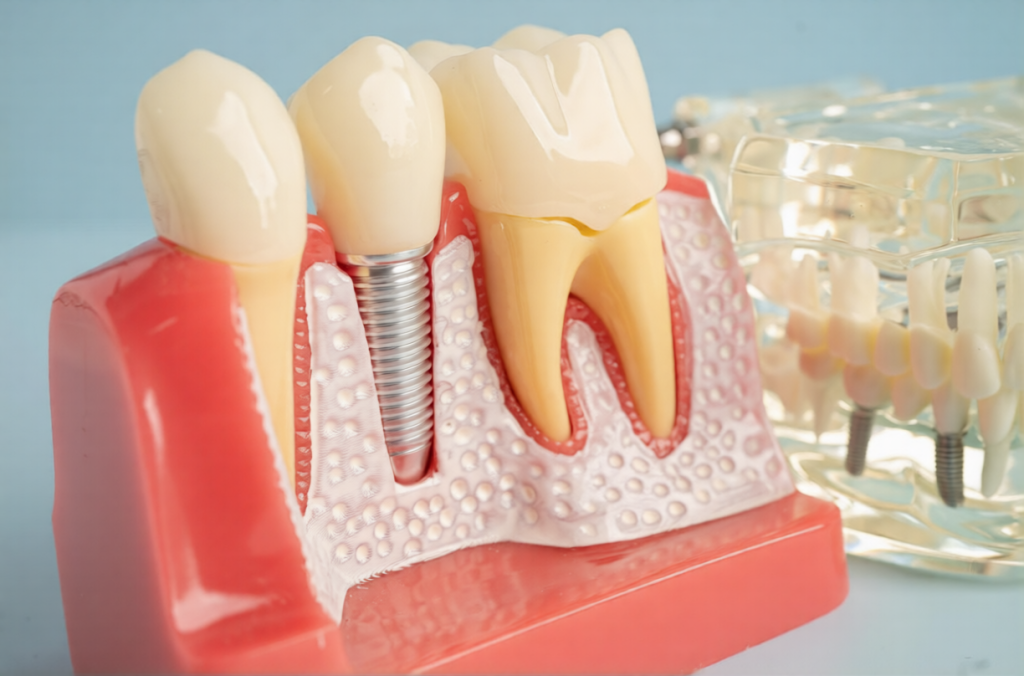




Dental crowns have served as established restorative treatment options for decades, helping millions of patients restore damaged teeth to function and appearance. While they can provide effective long-term restoration, potential downsides to dental crowns exist that warrant informed consideration. Like all dental procedures, crowns may experience complications during their service life, ranging from minor issues to situations requiring intervention.
Patients experiencing symptoms with existing crowns, individuals researching treatment options, or those seeking maintenance guidance benefit from evidence-based information. Crown care and performance expectations merit discussion with dental professionals to establish realistic outcomes. Educational support enables informed decision-making regarding treatment choices and long-term care protocols.
Crown lifespan expectations vary based on multiple individual factors. Research indicates most crowns function effectively for 10 to 15 years with appropriate maintenance. However, individual outcomes differ substantially. Some crowns require earlier intervention, while others continue functioning beyond this timeframe. Recognising warning indicators and implementing proper maintenance protocols support positive outcomes without substituting professional dental assessment.
- Crown performance depends on material composition, tooth location, oral hygiene practices, and individual biological factors that influence longevity.
- Common issues with dental crowns include decay development beneath margins, physical damage from excessive forces, structural inadequacy, and crown fractures.
- Recognising warning indicators early—from mild sensitivity to severe pain—enables timely professional intervention that may help preserve tooth structure.
- Implementing a consistent dental crown maintenance routine through twice-daily brushing, daily flossing, and regular professional monitoring may help extend crown service life.
- Avoiding detrimental habits such as ice chewing, bruxism, and biting hard objects helps reduce the risk of damage and supports crown integrity.
- Crown replacement timing requires a professional assessment based on the individual’s clinical presentation, symptom development, and structural condition.
- Understanding tooth decay under crown risks emphasises the need for meticulous oral hygiene maintenance around vulnerable crown margins.
Dental Crown Longevity and Failure Factors
Crown lifespan expectations differ considerably based on multiple interacting factors. These variables enable realistic expectations regarding crown service life. While manufacturers provide general longevity estimates, individual clinical outcomes vary significantly.
Crown material composition, tooth location, maintenance consistency, and individual biology influence performance. Crown longevity varies considerably by material type. Research indicates high 5-year survival rates, with many crowns continuing to function well beyond this timeframe, depending on individual factors.
These timeframes represent general patterns observed in clinical practice. Individual results vary based on the factors examined below.
Factors That May Influence Crown Performance
Multiple variables affect crown performance over time. These factors support informed treatment decisions and appropriate care planning:
- Crown material composition:
Different materials demonstrate varying mechanical properties and wear characteristics. Ceramic, porcelain, metal, and zirconia each offer distinct characteristics that affect longevity and clinical performance. - Tooth location and occlusal forces:
Posterior teeth experience significantly greater masticatory forces than anterior teeth during normal function. This biomechanical difference influences crown service life and complication risk. - Underlying tooth structure condition:
The remaining natural tooth provides the crown’s structural foundation and retention. Extensive pre-existing damage may influence long-term stability and function. - Parafunctional habits:
Behaviours including bruxism and clenching generate forces exceeding normal functional loads. These habits can compromise crown integrity and increase failure risk over time. - Maintenance protocol adherence:
Consistent oral hygiene and regular professional monitoring support crown function and oral health. Professional examinations enable early complication detection before symptom development.
These variables interact in complex patterns affecting clinical outcomes. A molar crown in a patient with bruxism experiences different stresses compared to an anterior crown in a patient maintaining rigorous oral hygiene. Your dental professional can assess which factors apply to your specific clinical situation and provide individualised guidance.
Setting Realistic Expectations for Crown Performance
Crown capabilities and limitations support appropriate treatment expectations and care decisions:
- Crowns are designed to restore function and aesthetics to compromised teeth. However, they do not render teeth impervious to all complications or immune to future problems.
- Natural tooth structure beneath the crown remains susceptible to carious processes. This occurs when oral hygiene is inadequate at the margins where the crown meets the tooth.
- Mild post-cementation sensitivity represents a common initial response that resolves with time. However, persistent discomfort warrants professional evaluation.
- Crowns function within the parameters of normal masticatory forces. Excessive loads or detrimental habits may increase the risk of complications and affect longevity.
- Clinical outcomes vary substantially between individuals. Results depend on multiple factors previously described and their interactions.
Your dental professional can provide case-specific information regarding expected outcomes based on your individual circumstances. Open communication about concerns helps set realistic treatment expectations and supports appropriate care planning for long-term success.
Common Dental Crown Complications and Their Causes
While many crowns function without complications for extended periods, recognising any downside to dental crowns enables early problem recognition. Understanding problems with tooth crowns supports informed patient decisions and timely professional intervention.
Potential crown complications warrant careful monitoring throughout crown service life. Crown failure causes include structural inadequacy, decay development, and physical damage from excessive forces.
Most crown complications respond effectively to treatment when identified early. Informed patient-dentist communication supports optimal outcomes but does not replace professional diagnosis.
Crown Failure From Insufficient Tooth Structure
Crown stability depends substantially on the remaining natural tooth structure beneath the restoration. This foundation must adequately support the prosthesis during normal function. Teeth with extensive pre-existing decay or damage may possess limited remaining structure for retention. Insufficient preparation or compromised bonding surfaces can affect crown retention and stability.
Structural inadequacy represents one of several crown failure causes affecting long-term performance. Teeth requiring extensive restoration before crown placement may demonstrate different performance patterns compared to teeth with minimal damage. However, predicting individual crown performance remains challenging.
Dental professionals carefully assess tooth structure before recommending crown placement. Additional procedures may be indicated to enhance the structural foundation when necessary for optimal outcomes.
Decay Beneath the Crown Margin
The crown-tooth junction creates a margin along the gingival line. This interface could serve as a potential entry point for bacterial infiltration if oral hygiene becomes inadequate.
While crown material itself resists carious processes, the underlying tooth structure remains vulnerable to decay. Tooth decay under crown margins may develop asymptomatically in its early stages.
Regular dental examinations prove necessary for early detection before progression occurs. Dental professionals utilise clinical examination and radiographic assessment to systematically evaluate decay around crowns.
Inadequate oral hygiene may increase tooth decay under the crown at vulnerable margins. Professional prophylaxis helps reduce this risk by clearing bacterial deposits beyond the reach of home care. Meticulous attention to crown-tooth junctions during daily oral hygiene protocols supports long-term crown health and underlying tooth integrity.
Physical Damage and Crown Fractures
Crowns may chip, crack, or fracture despite engineering for normal masticatory forces. Common damage mechanisms support risk reduction strategies:
- Bruxism and parafunctional habits:
Unconscious grinding or clenching generates forces exceeding crown design parameters during sleep or stress. This represents a significant contributor to long-term restoration integrity and functional compromise. - Biting hard objects:
Ice chewing, hard lollies, or using teeth to open items can damage crowns through excessive force application. All materials possess mechanical limits that can be exceeded. - Traumatic incidents:
Falls, sports injuries, or impacts can cause crown fractures or dislodgement due to sudden force, regardless of restoration quality or material selection. - Material fatigue over time:
After years of function and cyclic loading, material degradation may occur gradually. This represents normal wear patterns rather than failure in most instances.
Porcelain and ceramic crowns may be more susceptible to visible chipping than metal restorations due to their material properties. However, all materials can sustain damage under sufficient force application.
Ice chewing and similar habits may significantly increase fracture risk. Occasionally, damage occurs despite appropriate care and reasonable precautions.
Recognising Warning Signs That Your Crown Needs Attention
Timely recognition of warning indicators enables professional intervention that may prevent more serious complications. Failed crown symptoms range from mild discomfort to severe issues requiring immediate attention.
Some symptoms indicate urgent conditions requiring prompt assessment. Others warrant monitoring and discussion during routine appointments. These distinctions support appropriate care-seeking behaviour and optimal outcomes.
Symptom assessment and decision-making benefit from professional guidance. However, only dental professionals can accurately diagnose dental crown problems through clinical examination. When there is uncertainty about any symptom, contacting your dental clinic is the appropriate course of action.
Symptoms Requiring Immediate Professional Assessment
Certain failed crown symptoms warrant prompt dental consultation. These indicators benefit from timely evaluation:
- Severe pain unresponsive to medication:
Persistent, intense discomfort may indicate infection or other serious conditions requiring professional intervention and treatment. - Visible crown mobility:
If the crown feels mobile or moves when touched, prompt assessment to prevent potential swallowing or aspiration of the restoration. - Progressive temperature sensitivity:
New or worsening sensitivity to thermal stimuli that fails to improve may signal underlying pathology warranting professional evaluation. - Swelling or purulent drainage:
Visible swelling around the crowned tooth or the presence of an abscess indicates infection requiring urgent dental attention and intervention. - Crown-tooth separation:
Gap formation between the crown and the tooth, or crown dislodgement, requires prompt professional care to prevent restoration loss.
These warning indicators may signal complications requiring intervention to preserve tooth structure when possible. Contact your dental clinic for guidance and to schedule an appointment. Professional assessment determines symptom significance and appropriate treatment protocols based on clinical findings.
Changes That Warrant Monitoring and Discussion
Some symptoms, while less urgent, merit discussion with your dental professional during routine visits:
- Persistent mild sensitivity:
Slight temperature sensitivity lasting several weeks without progression may warrant assessment. Professional evaluation determines clinical significance and the need for intervention. - Altered occlusal sensation:
Changes in how the crown feels during biting merit discussion even without pain or visible damage to the restoration. - Surface texture changes:
New rough areas on the crown surface may indicate minor chipping that could progress without attention or intervention. - Gingival recession around margins:
Gradual recession exposing crown margins may represent normal changes or may require monitoring for decay risk and sensitivity. - Subjective changes without pain:
Subtle alterations in crown sensation, even without discomfort, can signal developing issues that warrant professional investigation.
These changes may represent normal settling or indicate developing dental crown problems requiring attention. A professional assessment determines their significance and the appropriate response.
Early intervention is often simpler than addressing advanced conditions. Do not dismiss persistent changes, even subtle ones.
Maintenance Practices That May Support Crown Longevity
Crown longevity depends significantly on consistent maintenance protocols. Appropriate care benefits both the crown and the underlying natural tooth structure. Rather than viewing maintenance as burdensome, consider it an investment in long-term oral health outcomes and function.
Your dental crown maintenance routine resembles natural tooth care with particular attention to specific areas. Implementing these practices may help maximise crown service life and function. Individual outcomes vary based on previously discussed factors and adherence to recommended protocols.
Daily Oral Hygiene for Crowned Teeth
Consistent daily care forms the foundation of your dental crown maintenance routine. These practices support crown integrity and oral health:
- Twice-daily brushing with proper technique:
Use a soft-bristled toothbrush and fluoride toothpaste. Pay particular attention to the gingival margins where the crown meets the tooth to prevent bacterial accumulation. - Daily flossing with the appropriate method:
Clean around crowns carefully each day using proper technique. Slide floss smoothly rather than snapping forcefully, which may dislodge the restoration. - Interdental brush utilisation:
Small interdental brushes designed for proximal spaces can access areas that regular floss may miss during daily cleaning routines. - Crown-tooth junction attention:
The interface where the crown meets the natural tooth requires particular focus during cleaning. Bacterial accumulation occurs where different materials meet. - Appropriate brushing pressure:
Excessive pressure may damage peri-crown gingival tissue and cause recession. Inadequate pressure permits bacterial accumulation. Maintain appropriate force during cleaning.
Technique quality matters as much as frequency for your dental crown maintenance routine. Your dental professional or hygienist can demonstrate effective methods specific to your crown location and individual needs.
Professional Maintenance and Regular Monitoring
Professional dental care constitutes a necessary component of your dental crown maintenance routine. Regular visits serve multiple purposes for maintaining oral health:
- Periodic examinations enable early detection:
Dental professionals can identify early signs of complications before symptoms develop. Most patients benefit from six-monthly examinations, though individual needs vary based on risk factors. - Professional prophylaxis addresses deposits:
Hygienists can clean crown margins more thoroughly than home care alone using advanced techniques. They utilise instruments that clear bacterial deposits without damaging restorations. - Radiographic assessment detects hidden pathology:
X-rays reveal decay developing beneath crowns before it becomes clinically visible or causes symptoms. Early intervention often proves less complex than addressing advanced conditions. - Crown condition evaluation:
Your dental professional systematically assesses crown integrity, margin adaptation, and surrounding tissue health. This monitoring determines appropriate crown replacement timing if complications develop. - Occlusal adjustment when indicated:
Minor adjustments to crown occlusion with opposing teeth can reduce excessive forces. This helps prevent complications that might otherwise compromise crown integrity over time.
Maintain regular dental visits even when crowns feel asymptomatic and function normally. Many complications develop silently without obvious symptoms or warning signs.
Consistent professional monitoring represents an essential component of your dental crown maintenance routine. Your dental professional will recommend appropriate examination intervals based on individual risk assessment.
Habits to Avoid With Dental Crowns
Certain behaviours significantly increase the risk of crown damage. These habits support appropriate care and risk reduction:
- Avoid ice chewing:
Ice generates forces exceeding crown design parameters during biting. This habit significantly increases fracture risk, particularly for ceramic and porcelain restorations. - Refrain from biting hard foods:
Very hard lollies, nuts in shells, or similar items can fracture crowns due to excessive force. Select softer alternatives when possible. - Do not use teeth as tools:
Opening items, tearing tape, or holding objects with teeth generates inappropriate forces. This may damage or dislodge crowns over time. - Minimise extremely sticky foods:
Very sticky foods, like toffee or caramel candies, lodge in crowns. This occurs particularly if cement bond weakening has occurred over time. - Address bruxism appropriately:
If teeth grinding or clenching occurs, discuss protective appliance options with your dental professional. Bruxism represents a significant contributor that protective devices can help manage effectively. - Distribute masticatory forces:
Avoid preferentially using crowned teeth for very hard foods. Distribute chewing forces across multiple teeth when possible during meals.
These behaviours may significantly increase the risk of crown damage or premature failure. However, occasional exposure poses minimal risk for most individuals. Your dental professional can provide specific guidance based on crown material, location, and individual risk factors.
Final Thoughts
Potential downsides to dental crowns support informed treatment decisions and appropriate care planning. While crowns provide effective restoration, awareness of issues with dental crowns enables early problem recognition.
Crown performance depends on material type, location, and adherence to maintenance. Recognising warning indicators early enables intervention that may preserve tooth structure. Implementing a consistent dental crown maintenance routine supports its longevity.
Crown replacement timing requires professional assessment based on individual circumstances. If you experience symptoms or have questions, contact My Dentist Blackwood for professional evaluation and guidance.
Important Information
Any surgical or invasive procedure carries risks. Before proceeding, you should seek a second opinion from an appropriately qualified health practitioner.
A consultation is required to assess your suitability for dental crowns. Individual circumstances vary, and results may differ between patients.
This information is provided by My Dentist Blackwood. Dental services provided by Dr Tina Le (General Registration, AHPRA Registration Number: DEN0001411332), Dr Diana Castrillon (General Registration, AHPRA Registration Number: DEN0002170625), Dr Emma Chin (General Registration, AHPRA Registration Number: DEN0002134625), and Dr Liesl Collins (General Registration, AHPRA Registration Number: DEN0001659430). For appointments or enquiries, contact My Dentist Blackwood.


 General Dentistry
 Cosmetic Dentistry
 Restorative Dentistry
 Dental Implants
 Clear Aligners
 Emergency Dentist
 Childrens Dentist