
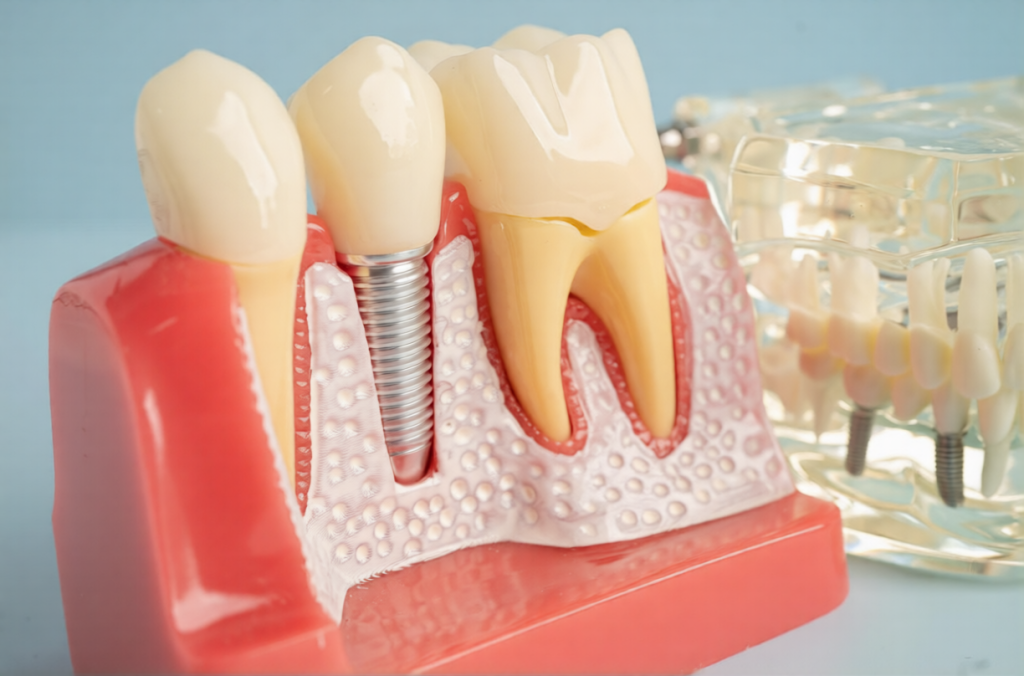




If you have recently undergone a dental crown procedure, you may be wondering how long will your teeth hurt after a crown procedure. This is a common question among individuals who have had crown work completed. Understanding what to expect during recovery can help you feel more informed about the process ahead.
A dental crown is a cap that covers a damaged tooth or weakened tooth structure. The crown procedure involves preparing the natural tooth by reshaping it, taking impressions, and placing either a temporary crown or a final crown. During this process, the tooth and surrounding gums may experience some degree of disturbance. As a result, some individuals notice tooth sensitivity or discomfort in the days following their dental appointment.
Recovery experiences vary widely from person to person. Some individuals report minimal awareness of any change to their teeth. Others may notice mild sensitivity that gradually improves.
This article provides general information about what the dental crown procedure involves and what you might experience afterwards. It is not a substitute for professional dental care tailored to your individual circumstances.
Contents Navigation
- 1 Summary of the Content
- 2 Do Dental Crowns Hurt?
- 3 What Causes Tooth Sensitivity or Dental Crown Tooth Pain?
- 4 How Long Does Recovery Usually Take?
- 5 What Symptoms Might Occur After a Crown Procedure?
- 6 When Symptoms May Require a Dental Check-up
- 7 Managing Discomfort After a Dental Crown Procedure
- 8 Eating and Chewing During Recovery
- 9 Caring for Your New Crown
- 10 Final Thoughts
Summary of the Content
- Dental crown procedures involve reshaping the tooth structure and placing a protective crown over it.
- Some individuals may experience tooth sensitivity or crown pain following the crown procedure.
- Local anaesthesia is commonly used during treatment to help reduce sensation and discomfort.
- Causes of post-procedure sensitivity may include tooth preparation, temporary crowns, or bite issues.
- Recovery timeframes differ between individuals and may range from a few days to two weeks.
- Some symptoms may benefit from a dental check-up if they persist or worsen over time.
- General comfort strategies include being mindful of hot and cold foods and maintaining careful oral hygiene.
- For some people with sensitive teeth, soft foods may feel more comfortable during the early recovery period.
- Caring for your new crown involves good oral hygiene and regular dental check-ups.
- Individual experiences vary, and personalised advice from your dentist is recommended for good oral health.
Do Dental Crowns Hurt?
The level of discomfort experienced during a dental crown procedure varies between individuals. Several factors contribute to tooth pain. These include the condition of the affected tooth, the extent of preparation required, and the individual’s pain threshold. What one person describes as uncomfortable, another may barely notice during the procedure.
Local anaesthesia is commonly administered before the crown procedure begins. This helps numb the area and reduce sensation during tooth preparation. Many people report reduced discomfort during treatment when anaesthesia is used. However, it is worth noting that some individuals may still feel pressure or movement sensations. These feelings are generally manageable for most people undergoing crown placement.
After the anaesthesia wears off, some individuals may notice sensitivity in the area around the crown. This can range from barely noticeable to moderately uncomfortable tooth pain. The crowned tooth and surrounding gums may feel tender for a while. Your dental professional can provide guidance on what to expect based on your specific oral health situation.
What Causes Tooth Sensitivity or Dental Crown Tooth Pain?
There are several reasons someone may experience sensitivity or dental crown tooth pain after a crown procedure. These causes are possibilities rather than certainties. Not everyone will experience all or any of these responses. Understanding the potential contributing factors can help you recognise what may be occurring with your crowned tooth.
Common reasons for post-procedure sensitivity and crown pain include the following:
- Tooth preparation irritation:
The process of reshaping the tooth structure can temporarily irritate the dental tissues and nerve. This may lead to sensitivity around the affected tooth. - Gum inflammation:
The gums around the tooth receiving the crown may become temporarily inflamed during crown placement. This gum swelling can contribute to discomfort near the gum line. - Temporary crown issues:
Issues with temporary crowns can sometimes contribute to tooth sensitivity. The temporary crown may not seal as completely as the final crown will. - Bite or fit concerns:
Bite or fit issues with the new crown represent another potential factor. An ill-fitting crown can cause excessive pressure on the tooth underneath. - Temperature sensitivity:
Hot and cold temperatures may trigger sensitivity in the crowned tooth. This can occur when consuming hot and cold foods or beverages.
If symptoms persist beyond what seems reasonable, a dental assessment may be beneficial for your oral health. Your dentist can evaluate the situation and determine whether any adjustments are needed. Individual responses to crown procedures vary widely between patients. What is considered within the range of expected experiences differs from person to person.
Discomfort From the Tooth Preparation Process
Before a crown can be placed, the tooth must be shaped to accommodate the restoration. This involves reducing the tooth structure to create space for the crown to fit over it. The preparation process can temporarily irritate the dental tissues and affect the nerve. Some individuals may notice tooth sensitivity following this shaping work on the natural tooth.
The nerve within the tooth may respond to the preparation process. This can manifest as sensitivity to hot and cold temperatures or pressure when chewing. For many people, this response diminishes as the tissues around the crown settle. However, experiences differ between individuals. Some may notice minimal change while others experience more pronounced tooth sensitivity.
The extent of preparation required depends on the condition of the affected tooth. Teeth with significant damage or decay may require more extensive shaping. This could affect the degree of post-procedure sensitivity. Your dental professional can discuss what your specific crown procedure may involve beforehand to help manage expectations.
Sensitivity Related to the Temporary Crown
In many cases, temporary crowns are placed while the final crown is being fabricated. These temporary restorations serve to protect the prepared tooth during the interim period. They are not designed to be as precise or durable as final crowns. As such, the temporary crown may not fit as snugly or feel as comfortable on the tooth underneath.
Some individuals notice tooth sensitivity or occasional discomfort while wearing temporary crowns. The temporary crown may not seal the tooth as completely as the final restoration will. This can allow hot and cold temperatures to reach the underlying tooth more readily. Hot and cold foods may trigger sensitivity responses in some people during this phase of treatment.
These effects often improve once the final crown is placed over the tooth. The final crown is custom-made to fit your tooth structure precisely. It provides a more complete seal and a more accurate bite relationship. Many individuals find that the sensitivity associated with the temporary crown improves after the final crown placement. However, individual responses vary between patients.
Bite or Fit Issues With the New Crown
Sometimes the bite may feel different after a new crown is placed. You might notice that the crowned tooth feels higher than the surrounding teeth when biting. This can cause discomfort when biting or chewing. It may also lead to sensitivity that develops or persists after the crown procedure.
An uneven bite can place excessive pressure on the crowned tooth. This pressure may irritate the tooth and surrounding gum structures. Over time, this could contribute to ongoing discomfort if not addressed through crown adjustment. A dental check-up can help determine whether the bite needs adjustment to improve crown placement.
Bite adjustments are a standard part of the crown fitting process when needed. Your dental professional can carefully reshape the crown surface to improve how your teeth meet. This is a relatively straightforward modification in most cases. Many individuals find that bite-related discomfort improves once the necessary adjustments to the new crown are made.
How Long Does Recovery Usually Take?
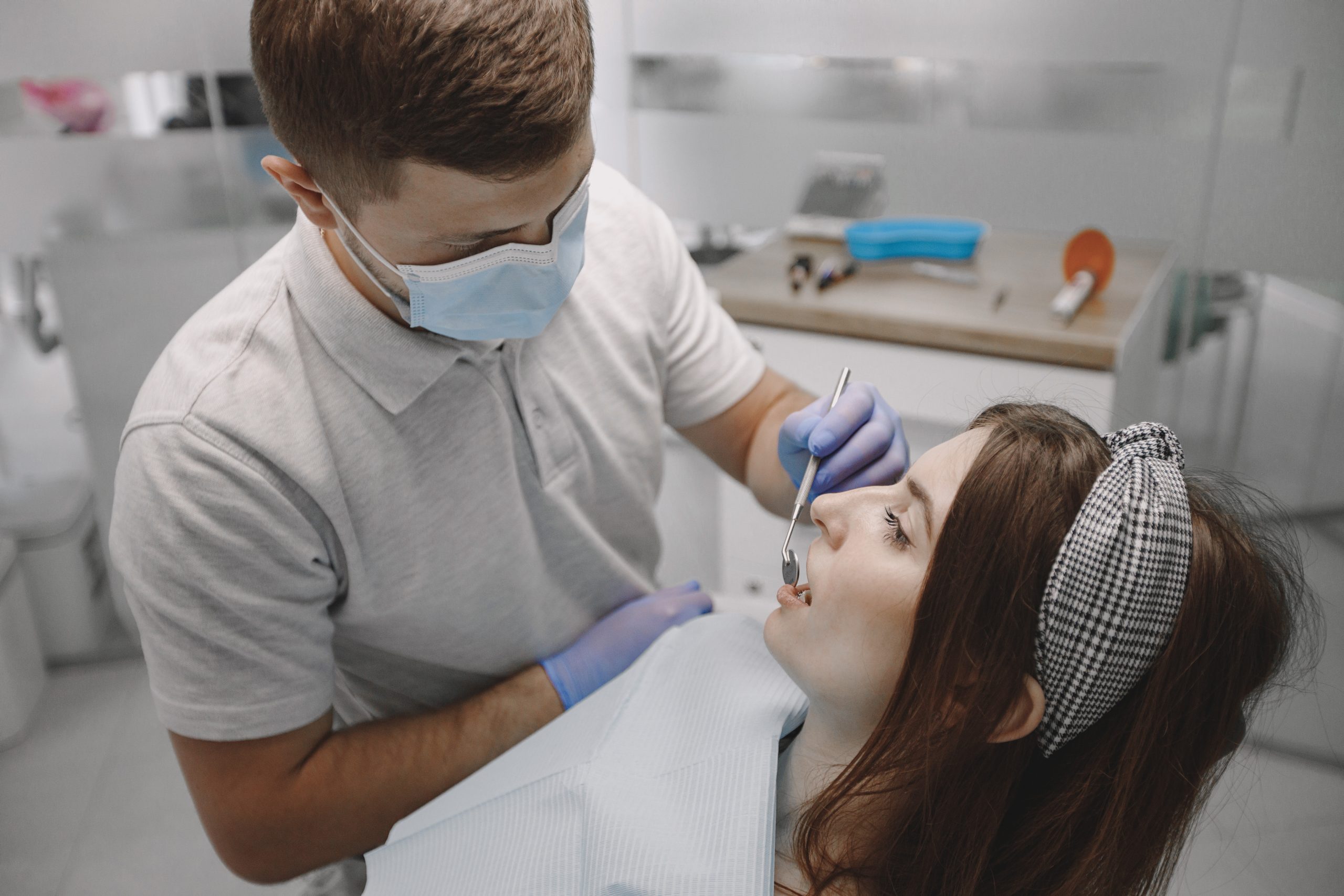
Recovery timeframes following a crown procedure vary considerably between individuals. When considering how long will your teeth hurt after a crown procedure, there is no single answer that applies to everyone. Some people notice that any tooth sensitivity improves within a few days. Others may experience lingering sensitivity for a week or two. Individual factors influence how quickly tissues settle and adapt around the new crown.
In general, any initial discomfort tends to be most noticeable in the first few days after the crown procedure. As the days pass, many individuals notice a gradual improvement in tooth sensitivity. The gums around the crown may need time to heal from any irritation. The tooth itself may need time to adjust to its new restoration and bite.
Several factors can affect how long recovery may take after crown placement:
- Extent of tooth preparation:
More extensive shaping of the tooth structure may lead to a longer recovery period. The amount of natural tooth that needs to be prepared can influence sensitivity. - Health of the tooth:
The tooth’s overall health before the procedure is a factor. A tooth with significant decay or damage may require more time to adjust. - Individual healing responses:
Each person’s body responds differently to dental procedures. Some individuals heal more quickly, while others may need additional time. - Presence of underlying nerve issues:
If the tooth’s nerve was affected during preparation, this may prolong the recovery period. The tooth’s nerve may need time to settle. - Quality of crown fit:
An ill-fitting crown or bite issues can prolong discomfort. A well-fitted crown that aligns properly with surrounding teeth may lead to a smoother recovery. - Oral hygiene practices:
Good oral hygiene can support healing around the crown. Proper dental care helps maintain gum health near the crown margins. - Habits affecting teeth:
Habits such as teeth grinding (bruxism) can put pressure on the new crown. This excessive pressure may affect recovery time.
It is difficult to predict exactly how long recovery will take for any given person. If sensitivity continues beyond what you consider reasonable, seeking advice from your dental professional may be helpful for your oral health. They can assess whether any issues with the crown require attention.
What Symptoms Might Occur After a Crown Procedure?
Individuals may notice a range of responses following a crown procedure. It is important to understand that not everyone experiences the same symptoms.
Some people have minimal awareness of any change to their teeth. Others may notice one or more of the following responses during their recovery period.
- Temperature sensitivity:
Some individuals notice that the crowned tooth responds to hot or cold temperatures. This tooth sensitivity may occur when consuming hot and cold foods or cold beverages. - Tenderness around the gums:
The gum tissue near the crown may feel tender or sensitive to touch. This can be a response to the crown procedure or the crown margins at the gum line. - Bite awareness:
You may notice that the crowned tooth feels different when you close your teeth together. Some people describe this as feeling like the tooth is slightly raised or the bite feels uneven. - Chewing sensitivity:
Discomfort when chewing on the crowned tooth may occur for some individuals. This can range from subtle awareness to more noticeable discomfort when eating. - Gum swelling:
Some individuals may notice mild gum swelling or puffiness in the gum area around the crown. This often improves as the tissues around the new crown heal. - Mild pain or pressure:
Some people may feel mild pain or pressure around the affected tooth. This temporary discomfort may occur when biting or during eating.
These experiences fall within the range of possible responses following crown procedures. Not everyone will experience all of these symptoms. Some individuals may feel very little discomfort.
If any symptoms concern you or seem to be worsening, seeking guidance from your dental professional is advisable for your oral health.
When Symptoms May Require a Dental Check-up
While some degree of sensitivity following a crown procedure can be expected for some people, certain symptoms may benefit from professional review. Understanding when to seek advice can help you make informed decisions about your dental care.
The following situations may warrant a check-up with your dental professional:
- Prolonged discomfort:
If tooth sensitivity or discomfort continues beyond two weeks without improvement, a review may be beneficial for your oral health. - Increasing sensitivity:
Sensitivity that worsens rather than improves over time may indicate a need for attention with the crown. - Persistent bite issues:
If the bite continues to feel uneven after the initial settling period, a crown adjustment may be needed. - Significant swelling:
Marked gum swelling that does not subside or appears to be increasing may require assessment. Persistent inflammation around the gum line warrants attention. - Severe pain or throbbing:
While mild discomfort may be within the range of expected responses, severe pain or throbbing sensations may warrant attention from your dentist. - Loose crown:
If the crown seems to move or feels unstable, a dental visit is advisable. A loose crown requires prompt attention. - Signs of infection:
If you notice persistent pain, swelling, or unusual discharge around the crown, seek dental care promptly.
Your dental professional can evaluate your situation and determine whether any intervention is needed. This may involve checking the bite, examining the crown fit, or investigating other potential causes.
Early review of concerning symptoms can help address issues before they progress. Do not hesitate to reach out if something does not feel right with your crowned tooth.
Managing Discomfort After a Dental Crown Procedure
There are several general approaches that some individuals find helpful during recovery. These suggestions are intended as general information rather than specific medical advice. What works for one person may not work for another. Your dental professional can provide guidance tailored to your specific needs and oral health.
- Be mindful of temperature:
Avoiding very hot or very cold foods and beverages initially may help reduce temperature-related tooth sensitivity. - Chew on the other side:
Some people find it comfortable to chew on the opposite side of the mouth during the initial recovery period. - Maintain careful oral hygiene:
Continue brushing and flossing, but be cautious around the area where the crown was initially placed. Good dental hygiene supports healing. - Follow your dental professional’s instructions:
Any specific guidance provided by your dentist should be followed as directed for proper recovery. - Consider over-the-counter options:
Some individuals find them helpful for temporary relief. Consult with a pharmacist or your dental team for appropriate options. - Use saltwater rinses:
Saltwater rinses may help soothe irritated gums around the crown. This can support oral health during recovery.
It is important not to ignore discomfort that seems to be worsening or does not improve over time. These approaches may provide comfort for some individuals during the recovery phase. They are not a substitute for professional dental care if you have concerns about your crown. Your dental team is available to provide support and guidance as needed.
Eating and Chewing During Recovery
During the early recovery period, some individuals find that adjusting their eating habits provides comfort. This is particularly relevant for those who notice sensitivity when chewing on the crowned tooth. There is no single approach that works for everyone. The following suggestions may be helpful for some people with sensitive teeth.
- Soft foods may feel more comfortable:
Foods that require less chewing pressure may be easier to manage initially. Soft foods reduce stress on the new crown. - Avoid hard or crunchy items:
Hard foods like nuts, hard lollies, or ice may place extra stress on the new crown. Avoiding hard objects protects the crown. - Be cautious with sticky foods:
Very sticky items may dislodge a temporary crown or cause discomfort on the crowned tooth. - Room temperature foods may be preferable:
Avoiding hot and cold temperatures can help minimise tooth sensitivity for some people. Cold foods and hot foods may trigger discomfort. - Gradual return to normal eating:
As tooth sensitivity improves, you can gradually reintroduce your usual diet as comfort allows. Listen to your body’s response.
Individual experiences differ when it comes to eating during recovery. Some people return to their normal diet quickly. Others prefer to take a more cautious approach for a period of time.
Listen to your body and adjust your eating habits based on what feels comfortable for your teeth. Proper dental care includes being mindful during recovery.
Caring for Your New Crown
Looking after your new crown involves maintaining good oral health practices. The crowned tooth requires the same attention as your natural teeth. Proper dental care can help prolong the lifespan of your restoration.
The following general guidelines may be helpful to consider for good oral health.
- Brush twice daily:
Regular brushing with fluoride toothpaste helps maintain the health of the tooth and gums around the crown. Good dental hygiene is important. - Floss carefully around the crown:
Cleaning between the teeth helps prevent plaque accumulation at the crown margins. Careful flossing supports gum health. - Be careful initially:
While the area is settling, careful handling during cleaning may be more comfortable. Take care around the affected tooth. - Consider products for sensitive teeth:
Some individuals with tooth sensitivity find toothpastes designed for sensitive teeth helpful during recovery. - Attend regular dental check-ups:
Routine dental visits allow your dental professional to monitor the crown and surrounding gum tissues. Regular dental check-ups support oral health. - Avoid habits that stress teeth:
Being mindful of habits such as teeth grinding (bruxism) can help prolong crown longevity. Excessive pressure from grinding affects the crown. - Consider a night guard:
If you grind your teeth at night, a night guard or mouth guard may help protect the crown from excessive pressure.
Your dental professional can provide specific care instructions based on your individual situation. Following their guidance can help support the long-term success of your crown. Good oral hygiene practices benefit not just the crowned tooth but your overall dental wellbeing and oral health.
Final Thoughts
Understanding how long will your teeth hurt after a crown procedure is a common concern for many individuals. The reality is that experiences vary widely from person to person. Some people notice minimal tooth sensitivity that improves quickly. Others may experience a longer adjustment period with their new crown. Neither response is unusual.
Mild sensitivity following a crown procedure can occur and is within the range of possible responses. Factors such as the extent of tooth preparation, the fit of the temporary crown, and bite alignment may all contribute to post-procedure sensations. Most individuals find that any initial discomfort gradually improves over time. Patience during the recovery phase is often helpful as the tooth adjusts.
If you have questions or concerns about your recovery, the team at My Dentist Blackwood is available to provide guidance. Seeking personalised advice from a dental professional can help address your specific situation and oral health needs.
Every individual’s circumstances are different, and tailored guidance takes this into account. Do not hesitate to reach out if you need support during your recovery journey with your dental crown.
Your comfort and wellbeing matter. Taking the time to understand what to expect and when to seek advice empowers you to make informed decisions about your dental care. We hope this information has been helpful in addressing some of your questions about crown procedure recovery and tooth sensitivity.
Disclaimer: This article provides general information about dental crown procedures and recovery. It is not intended as a substitute for professional dental advice, diagnosis, or treatment. Individual experiences may vary. Always seek the advice of your dentist or other qualified dental care provider with any questions you may have regarding a dental condition or treatment. Never disregard professional dental advice or delay seeking it because of information you have read in this article.


 General Dentistry
 Cosmetic Dentistry
 Restorative Dentistry
 Dental Implants
 Clear Aligners
 Emergency Dentist
 Childrens Dentist