
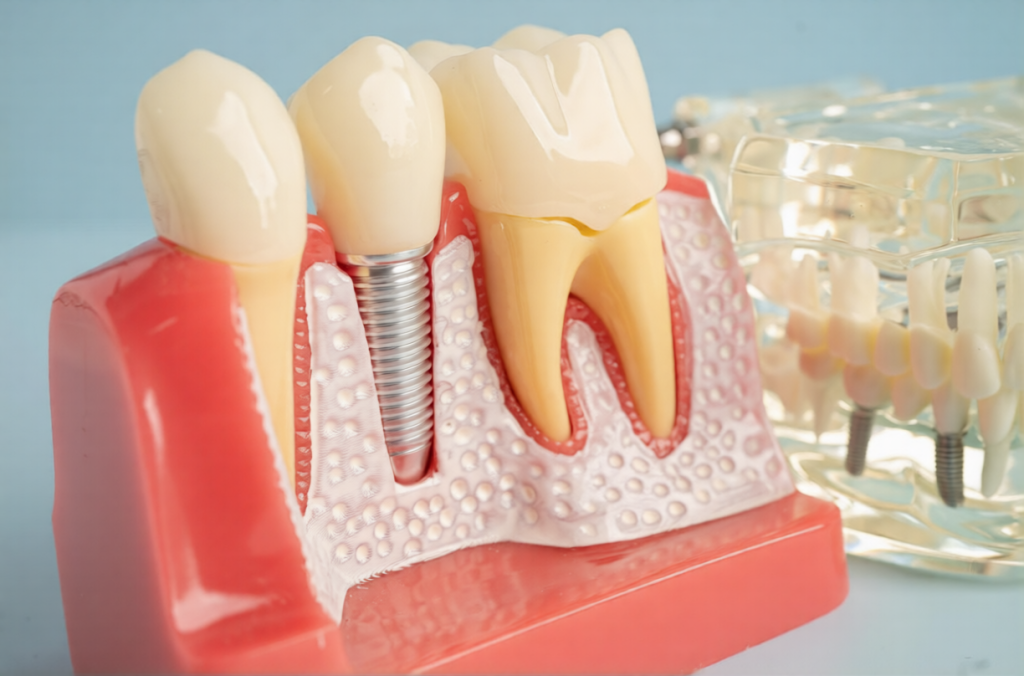




Whether you’re a 22-year-old considering tooth replacement or an 82-year-old wondering if it’s too late, age is just one factor in dental implant candidacy. Many people associate dental implants with a specific age group, but the reality is quite different.
Understanding the age requirements for dental implants involves looking beyond the calendar. Your physiological health matters more than your birthdate. From dental implants for young adults waiting for jaw development to dental implants for seniors in their later years, individual assessment remains essential.
This guide provides general information about how age relates to implant candidacy. It covers considerations for people at different life stages, from teenagers to those in their 80s.
Please note that this content offers educational information only. It does not replace personalised advice from a qualified dental professional. A thorough consultation is necessary to determine your suitability for any dental procedure.
Contents Navigation
- 1 Summary of the Content
- 2 What Makes Someone a Candidate for Dental Implants?
- 3 Dental Implant Age Requirements for Young Adults
- 4 Considerations for Adults Ages 30-50
- 5 Age Considerations for Dental Implants in Your 50s, 60s, and 70s
- 6 What to Know About Dental Implants for Seniors Over 80
- 7 Factors Beyond Age That Affect Candidacy
- 8 How Dentists Assess Age Suitability for Dental Implants
- 9 Understanding Dental Implant Success Rates and Age
- 10 The Real Pros and Cons of Dental Crowns
- 11 Final Thoughts
Summary of the Content
- The minimum age for dental implants exists because jawbones continue developing into early adulthood, and implants placed too early may shift position over time.
- Clinical research shows patients in their 80s and 90s can undergo successful placement when overall health supports the procedure and bone quality is adequate.
- Bone density and dental implants are directly related because the titanium post must fuse with surrounding bone tissue through osseointegration.
- Dental implants for young adults may involve temporary bridges or removable options while the jaw develops.
- Middle-aged adults often have stable bone structure, though smoking cessation and blood sugar management still influence healing outcomes.
- Dental implants for seniors require coordination between dental and medical professionals to review medications and chronic conditions.
- Only a face-to-face consultation with diagnostic imaging can determine your individual suitability, as online information cannot account for your unique circumstances.
What Makes Someone a Candidate for Dental Implants?
Determining dental implant candidacy involves several factors beyond age. A comprehensive assessment looks at your overall health, oral condition, and lifestyle habits.
The following elements influence whether dental implants may be suitable:
- Bone density and volume:
Your jawbone needs sufficient mass to support the implant post during osseointegration, which your dentist can evaluate through imaging. - Gum health:
Healthy gums and oral tissues support healing, so any existing gum disease should be addressed first. - Oral hygiene commitment:
Good oral care habits help maintain long-term outcomes, making regular brushing and flossing essential for implant health. - Overall health status:
Well-managed chronic conditions allow for proper healing, which is why your complete medical history is reviewed during consultation. - Smoking status:
Non-smokers generally experience more favourable healing because smoking restricts blood flow to the tissues around implants.
Osseointegration is the process by which bone fuses with the titanium implant post over three to six months. Physical maturity matters more than chronological age during this process.
Younger patients may still be experiencing jaw development, so placing implants before growth completion can affect positioning. Older patients may have age-related health changes that require evaluation, but do not automatically exclude them from candidacy.
As with any surgical procedure, dental implants carry potential risks and complications. These may include infection, nerve damage, implant failure, or issues with surrounding teeth and tissues. Your dental professional will discuss these considerations during your consultation to help you make an informed decision.
Dental Implant Age Requirements for Young Adults
Dental implants for young adults require special consideration regarding jaw development. The minimum age for dental implants is generally around 18 years, though this is based on skeletal maturity rather than an arbitrary cutoff.
Females generally complete jaw growth between 16 and 18 years of age. Males may continue growing until 18 to 21 years, or sometimes longer.
Several situations may prompt dental implant consideration in younger people:
- Congenital tooth absence:
Some individuals are born missing one or more teeth, so the timing of placement must be carefully planned based on their developmental stage. - Trauma-related tooth loss:
Sports injuries or accidents can cause tooth loss during adolescence, so temporary options are often recommended until skeletal maturity. - Long-term planning:
Young adults should understand ongoing maintenance requirements, as implants require care over many decades.
Dentists assess readiness through growth plate analysis via X-rays and skeletal maturity evaluation. If implants are not yet appropriate, several temporary options can help:
- Temporary bridges:
These restorations help preserve space and maintain chewing ability while the jaw continues to develop. - Removable partial dentures:
These appliances serve both aesthetic and functional purposes and can be adjusted as the patient grows. - Space maintainers:
These devices keep the area ready for future implant placement once jaw development is complete.
Considerations for Adults Ages 30-50
Adults in this age range have generally completed physical development. Bone density and dental implant success are often well-aligned in this demographic. However, individual health factors still require thorough evaluation. Understanding the age requirements for dental implants helps this group make informed decisions.
Several factors may favour implant consideration in this age range:
- Complete physical development:
The jaw has reached its final size and shape, which provides a stable bone structure that supports implant placement. - Maintained bone density:
Bone mass is generally preserved at healthy levels during these decades, which supports successful osseointegration. - Fewer health complications:
Age-related conditions are less common in this group, though individual assessment remains important for each patient. - Long-term benefit potential:
With many years of use ahead, implants can provide significant value when compared to alternative options.
Adults between 30 and 50 may require implants for various reasons:
- Sports injuries:
Contact sports or accidents can result in tooth damage or complete tooth loss, requiring replacement. - Periodontal disease:
Gum disease that has progressed may compromise tooth support, sometimes necessitating extraction and consideration of implants. - Deteriorated dental work:
Fillings, crowns, or root canal work from earlier years may fail over time and sometimes require extraction. - Congenital absence:
Missing teeth present from birth may have been managed with other methods that are now being reconsidered.
Even in this age group, certain health conditions require consideration. Well-controlled diabetes may not preclude implant placement, though uncontrolled blood sugar can affect healing. Smoking significantly impacts outcomes, so cessation is strongly encouraged.
Certain medications, including bisphosphonates for bone health, also need careful review. Adults in this range often balance procedures with work and family commitments, so understanding recovery timelines helps with planning.
Age Considerations for Dental Implants in Your 50s, 60s, and 70s
A common misconception suggests people become “too old” for dental implants at a certain age. This is not accurate. Dental implants for seniors in their 50s, 60s, and 70s can be appropriate when their health status supports it.
No upper age limit exists based solely on chronological age. Research documents successful placement in patients well into their 80s and beyond.
Certain age-related changes may affect the approach:
- Bone density changes:
Osteoporosis requires careful evaluation, and bone grafting may be an option when additional volume is needed to support the implant. - Medication interactions:
Blood thinners, bisphosphonates, and other medications need a thorough review before any surgical procedure can proceed. - Healing capacity:
Recovery may take longer in some older adults, which is factored into planning realistic timelines for each patient. - Chronic health conditions:
Conditions such as diabetes or heart disease require medical clearance, though many patients can proceed safely with preparation.
Well-controlled diabetes often does not prevent implant placement when managed appropriately with medical clearance. Osteoporosis requires careful bone evaluation, and additional procedures such as grafting may be recommended. Heart conditions necessitate medical clearance, though many cardiac patients can proceed with appropriate precautions.
It is important to understand that individual risk profiles vary. Factors such as bone quality, medication use, and overall health status can influence both the likelihood of complications and recovery time. A thorough assessment helps identify and manage these risks appropriately.
What to Know About Dental Implants for Seniors Over 80
Age alone does not disqualify someone from consideration for dental implants. Research documents successful outcomes in patients aged 90 and older. However, this age group requires particularly thorough evaluation. Overall health remains more significant than chronological age.
Several factors require particular attention in this age group:
- Multiple medications:
Blood thinners, osteoporosis drugs, and immunosuppressants require careful management around surgical procedures. - Multiple chronic conditions:
Managing several health conditions simultaneously may add complexity to the planning process. - Healing timeline:
Recovery may take longer than in younger patients, which requires adjusted expectations and planning. - Anaesthesia considerations:
Medical clearance for sedation or anaesthesia is often necessary before proceeding with the procedure.
For patients in this age group, an honest discussion about procedural risks, recovery demands, and realistic outcomes is essential. Your dental and medical team will work together to determine whether the potential benefits outweigh the risks in your individual circumstances.
Alternative tooth replacement options that may be considered include:
- Implant-supported dentures:
These use fewer implant posts to stabilise a denture, reducing surgical complexity while improving retention. - Traditional dentures:
Complete or partial dentures remain a non-surgical option for effectively replacing missing teeth. - Dental bridges:
When suitable supporting teeth are present, bridges can replace missing teeth without requiring implant surgery. - Supportive care:
Maintaining current teeth with ongoing professional care may be appropriate for some patients.
A thorough evaluation for patients over 80 includes a complete medical assessment, a full health history, and a review of all medications, including supplements. The dental team assesses healing capacity based on current health and weighs the quality-of-life benefits against the demands of the procedure. Recovery support needs are also discussed with patients and their families to ensure appropriate care is available.
Factors Beyond Age That Affect Candidacy
Age represents just one element in determining suitability for dental implants. Several other factors play equally important roles in candidacy assessment across all age groups.
Bone density and dental implants are closely connected throughout the implant process. Adequate bone supports the implant post during healing and long-term use. When bone is insufficient, grafting procedures may help build volume. CT scans and other imaging assess bone quality before planning begins.
Certain habits, behaviours, and medications influence outcomes:
- Smoking:
Research shows smoking significantly increases complication rates, so cessation before and after placement is recommended. - Bisphosphonates:
Used for osteoporosis, these medications may affect jawbone healing and require special protocols. - Blood thinners:
These require management around surgical procedures to balance bleeding risk appropriately. - Bruxism:
Teeth grinding may require additional protective measures, such as night guards, after implant placement. - Oral hygiene routine:
Consistent home care and the ability to attend review appointments are essential for long-term implant health.
Overall health affects healing and outcomes for patients of all ages. Well-managed chronic conditions allow for appropriate healing. Diabetes control affects tissue healing and the risk of infection.
Cardiovascular health may influence surgical considerations. The condition of your mouth also matters significantly. Periodontal disease requires management before implant placement, and commitment to oral hygiene supports long-term outcomes.
How Dentists Assess Age Suitability for Dental Implants
A systematic assessment process helps determine whether dental implants may be appropriate for you. This process considers age-related factors alongside many other elements.
The first appointment generally includes a thorough review of your medical history, a discussion of current medications and supplements, a conversation about lifestyle factors such as smoking, and understanding your goals and expectations.
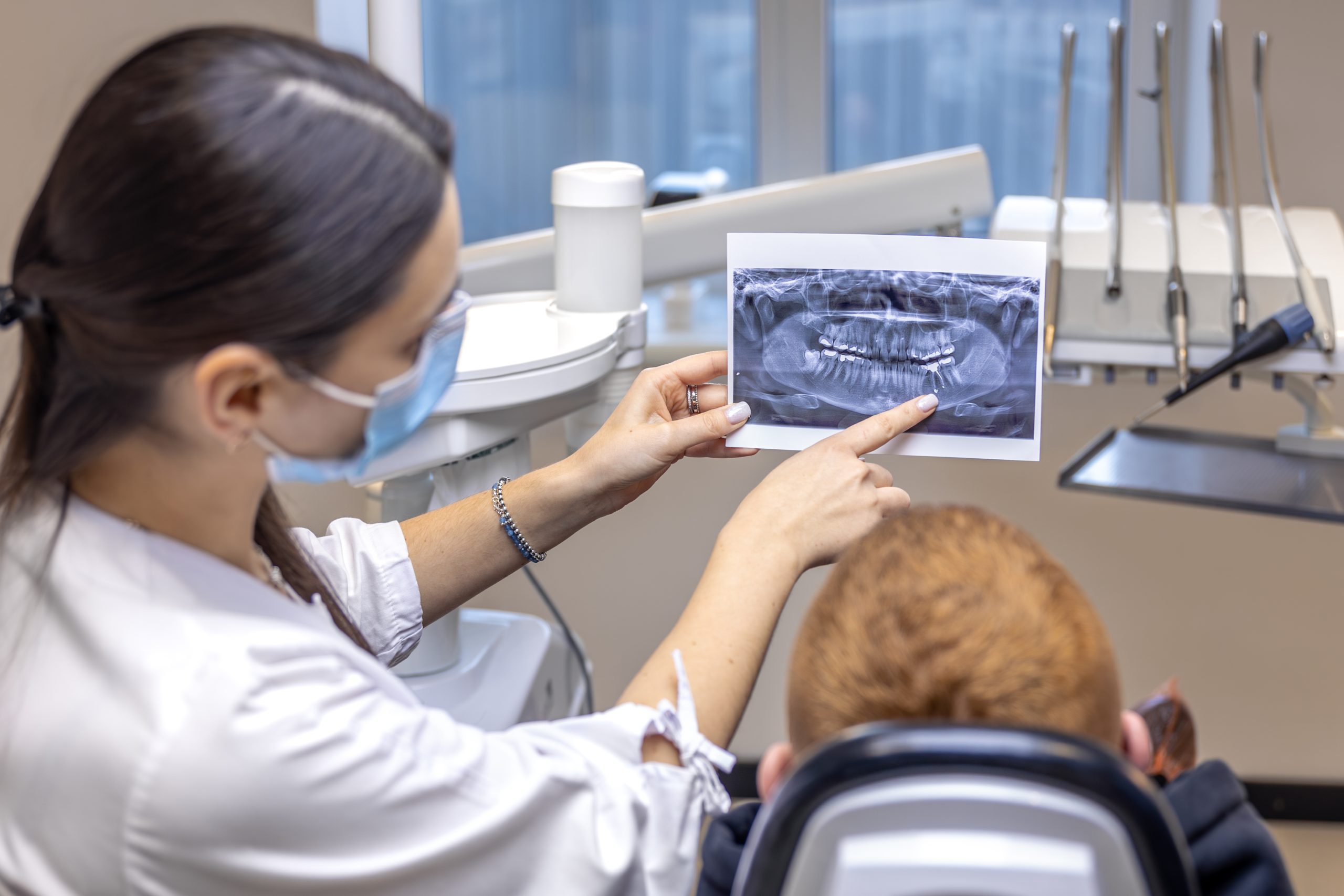
Diagnostic imaging helps evaluate your oral structures in detail. 3D CT scans provide detailed bone assessment, while panoramic X-rays show overall jaw structure.
Assessment varies somewhat by age group:
- For younger patients:
Growth completion verification through appropriate imaging and analysis confirms skeletal maturity before proceeding. - For older patients:
Health clearances and thorough medication review help ensure the procedure can proceed safely and effectively. - For all patients:
Bone quality assessment and oral health evaluation form the foundation of customised planning.
When necessary, coordination with other healthcare providers includes communication with your general practitioner and clearance from relevant specialists. Following assessment, planning involves a customised approach based on your situation, timeline considerations, and discussion of alternatives if implants are not suitable.
Understanding Dental Implant Success Rates and Age
Understanding how success is measured and what influences outcomes helps set realistic expectations. Research provides useful information, though individual results vary between patients.
Published research suggests implant survival rates of above 95% in appropriate candidates. Age represents one of many factors influencing these outcomes. Individual variation is significant across all studies.
Dental implant success encompasses several measures:
- Osseointegration:
Successful fusion between the implant and surrounding bone tissue is essential for stability. - Implant retention:
The implant remains stable and functional over time with proper care and maintenance. - Patient satisfaction:
Function and appearance meet patient expectations for eating, speaking, and overall comfort. - Absence of complications:
No significant problems occur during healing or long-term use of the implant.
Research indicates several factors may influence outcomes more than chronological age. These include the dental professional’s experience, patient compliance with oral hygiene, bone quality at the implant site, and smoking status.
Studies evaluating implant survival found that age-related differences often relate to health status rather than age itself. When health factors are comparable, older patients may achieve outcomes similar to younger patients.
The Real Pros and Cons of Dental Crowns
Understanding how success is measured and what influences outcomes helps set realistic expectations. Research provides useful information, though individual results vary between patients.
Published research suggests implant survival rates of above 95% in appropriate candidates. Age represents one of many factors influencing these outcomes. Individual variation is significant across all studies.
Dental implant success encompasses several measures:
- Osseointegration:
Successful fusion between the implant and surrounding bone tissue is essential for stability. - Implant retention:
The implant remains stable and functional over time with proper care and maintenance. - Patient satisfaction:
Function and appearance meet patient expectations for eating, speaking, and overall comfort. - Absence of complications:
No significant problems occur during healing or long-term use of the implant.
Research indicates several factors may influence outcomes more than chronological age. These include the dental professional’s experience, patient compliance with oral hygiene, bone quality at the implant site, and smoking status.
Studies evaluating implant survival found that age-related differences often relate to health status rather than age itself. When health factors are comparable, older patients may achieve outcomes similar to younger patients.
Final Thoughts
The age requirements for dental implants are less rigid than many people assume. From dental implants for young adults who have completed jaw development to dental implants for seniors in their 80s and beyond, individual assessment determines suitability. Age alone does not determine candidacy. Health status, the relationship between bone density and dental implants, and lifestyle factors all contribute to the evaluation.
The minimum age for dental implants is generally around 18 years, when jaw development is complete. There is no upper age limit based on chronological age. Each person is assessed individually based on their unique health profile, bone quality, and personal circumstances. Modern dental care now offers options for people across all adult age groups.
If you are considering dental implants, schedule a consultation for a personalised evaluation. Discuss your complete health history and any concerns with your dental professional. This article provides general information only and does not constitute personalised medical or dental advice. Contact My Dentist Blackwood or your local dental professional to discuss whether dental implants may be appropriate for your circumstances.
Important Information
Any surgical or invasive procedure carries risks. Before proceeding, you should seek a second opinion from an appropriately qualified health practitioner.
A consultation is required to assess your suitability for dental implants. Individual circumstances vary, and results may differ between patients.


 General Dentistry
 Cosmetic Dentistry
 Restorative Dentistry
 Dental Implants
 Clear Aligners
 Emergency Dentist
 Childrens Dentist